Home Garden for Your Balcony Railing!
Smart Voice
AITable of Contents 5
A Windowsill Herb Garden at Home – A Comprehensive Guide to Cultivation and Culinary Uses
Selecting Plant Varieties for Balconies: Sun-Loving, Shade-Tolerant, and Perennial Herbs
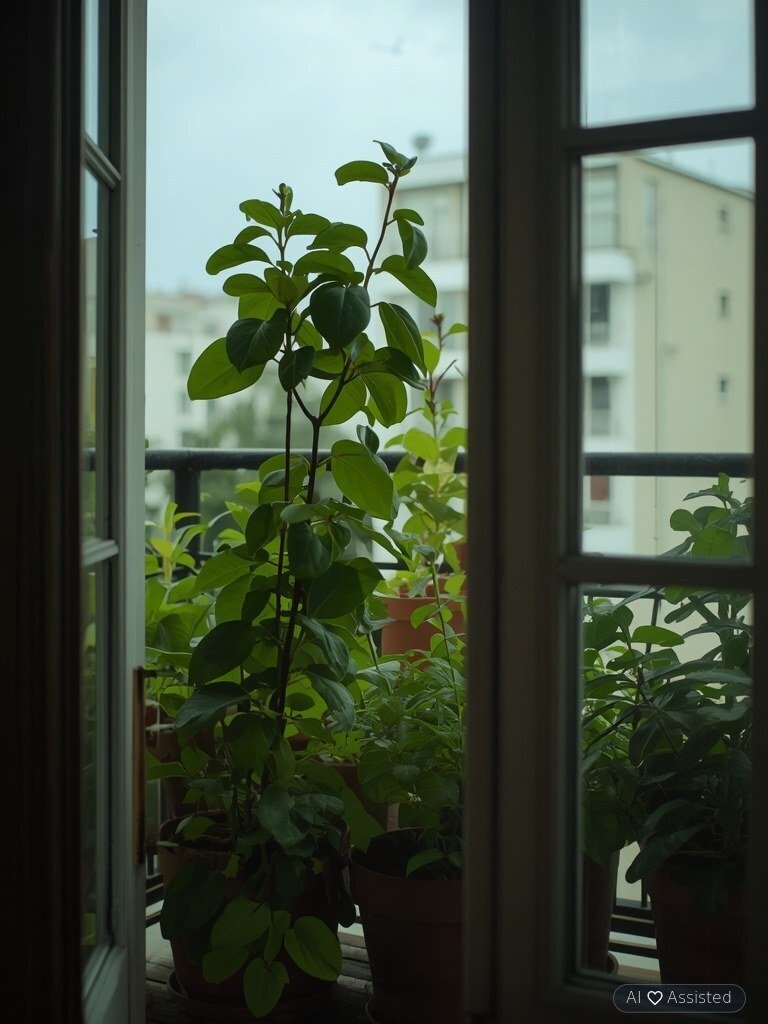
The definitive factor determining horticultural success on a balcony railing is harmonizing the botanical affinities of individual herb species with your terrace's solar exposure. South- and west-facing balustrades represent an ideal microclimate for Mediterranean xerophytic herbs, notably rosemary, thyme, oregano (wild marjoram), and culinary sage. These cultivars have evolved glaucous, pubescent, or cuticle-thickened leaves engineered to withstand radiant solar intensity and transient drought.
Conversely, east-facing or partially shaded northern balconies offer pristine conditions for shade-tolerant foliage herbs requiring consistent moisture, including peppermint, lemon balm, flat-leaf parsley, cilantro, and chives. Gardeners must heed a crucial biological imperative: due to aggressive subterranean stolon proliferation, all mint varieties must be quarantined within dedicated standalone containers to prevent them from choking out companion plants.
Containers, Soil Substrates, and Drainage: Creating Optimal Root Conditions in Balcony Boxes
Proper engineering of balcony boxes secured to railings establishes the physiological foundation of root architecture. The predominant cause of urban container herb failure is not under-watering, but rather waterlogging, which induces hypoxic conditions and lethal fungal root rot. Every container must feature unobstructed base drainage perforations covered by an essential three- to four-centimeter drainage horizon consisting of expanded clay pebbles or horticultural terracotta shards.
Substrate selection should strictly steer clear of dense, moisture-retaining peat composts. Optimal vitality is achieved via a customized potting mix comprising light loam, coarse silica sand, and perlite in a balanced 3:1:1 volumetric ratio. This ensures excellent aeration and maintains a stable soil pH between 6.0 and 7.0. For calciphilic Mediterranean perennials, incorporating crushed dolomite or pulverized eggshells gently alkalinizes the root zone and enriches calcium bioavailability.
Watering Practices, Natural Fertilization, and Pruning: Secrets to Lush, Flavorful Leaves
Hydration protocols for elevated railing planters demand diligence, as containerized soil volumes heat up and desorb moisture at an accelerated rate compared to in-ground beds. Irrigation is best performed during early morning or twilight hours, directing water strictly at the soil surface to spare foliage from solar scalding and downy mildew spores. Mediterranean varieties should be irrigated only after the top two centimeters dry out, whereas basil and mint thrive in consistently moist soils.
Chemical synthetic fertilizers are counterproductive in culinary herb horticulture; excess nitrate forces rapid cellular elongation that paradoxically dilutes essential oil concentrations, leaving herbs bland and waterlogged. Superior aroma and leaf thickness are fostered by dosing with natural vermicompost tea (liquid worm castings) every fortnight, alongside potassium-rich steeped banana peel tea. Habitual pinching of apical shoots stimulates lateral node branching and retards premature bolting into flower.
Harvesting, Dehydration, and Culinary Integration of Fresh Balcony Herbs
The optimal window for harvesting culinary herbs occurs on a crisp morning after ambient dew has evaporated, well before midday heat vaporizes fragile monoterpenes and volatile compounds. During these hours, secondary plant metabolites—including carvacrol, thymol, rosmarinic acid, and eugenol—reach peak concentration within glandular trichomes. Stems should always be excised using razor-sharp shears just above a leaf node rather than pinched with fingernails.
Fresh cuttings provide instant gourmet flair to artisan salads, vinaigrettes, marinades, and infused extra virgin olive oils. For winter preservation, lignified Mediterranean varieties (thyme, oregano, rosemary) dry exquisitely when tied into loose bundles suspended in a dim, well-ventilated pantry. Conversely, tender succulent leaves such as basil and cilantro lose delicate aromatics upon desiccation and are best preserved by flash-freezing them within olive oil ice-cube trays.
Want to apply these guidelines in your daily diet?
Our smart diet generator creates a tailored meal plan in 3 minutes based on the recommendations in this article.
Tags

mgr witaminy A. Kolendra jest idealna w zupach z roślin strączkowych, dzięki czemu niweluje ich gazotwórcze właściwości. Świetnie sprawdza się w daniach mięsnych i marynatach, a także daniach z ryżu. Melisa – jeśli żyjesz pod cięgła presją, a stres nie opuszcza cię nawet w nocy i nie pozwalając w pełni wypocząć, w Twoim domowym zielniku nie może zabraknąć melisy! Melisa posiada właściwości uspokajające, stosuje się ją jako środek pomocniczy w nerwicach i depresjach. Ponadto obniża poziom cholesterolu. W kuchni najlepiej sprawdzą się napary z melisy. Można ją stosować jako dodatek do zup, który wzbogaci ich smak, a także jako dekoracja do dań. Tymianek to kolejne zioło, którego nie może zabraknąć w Twoim zielniku. Świeży tymianek posiada o wiele więcej witamin i składników mineralnych niż jego suszona wersja. Napary z tymianku pomogą w dolegliwościach układu pokarmowego, nadciśnienia tętniczego. Ponadto tymianek oczyści Twój organizm. Świetnie sprawdza się w daniach z makaronu, omletach, gulaszach, rybach czy zupach kremach. Szczypiorek – to chyba najprostsza w uprawie roślina. Smak szczypiorku jest wprost niezastąpiony na kanapkach ze świeżymi, wiosennymi warzywami. Bez niego również nie obędzie się jajecznica. Jego świeży aromat pasuje do każdej potrawy. Wszystkie zioła najlepiej dodawać pod koniec gotowania bądź posypać już gotowe danie. To tylko niektóre z ziół, które możecie zasadzić w swoich domowych zielnikach na parapecie. Wzbogacą wasze dania i zadbają o zdrowie. W zależności od dolegliwości, na które cierpicie, możecie uzupełnić je w zioła nasenne , bądź zioła wykrztuśne , przeciwzapalne czy moczopędne . Z pewnością odrobina uwagi sprawi, że Wasz parapet szybko się zazieleni.
Diets Premium Expert
Diets Premium team expert. Specializes in nutrition plans, strength sports, and training plans.