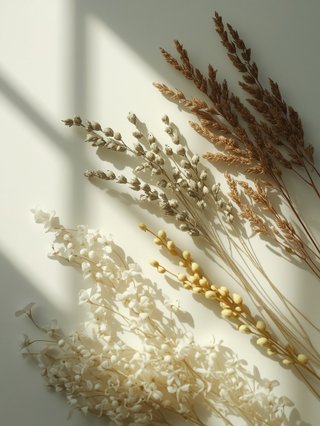
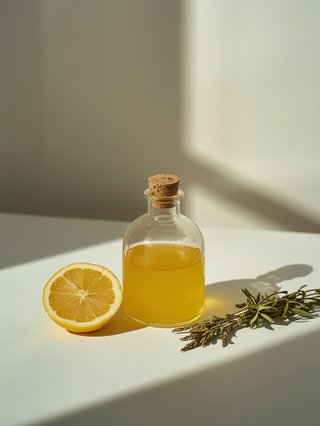
Health benefits of using spices and herbs
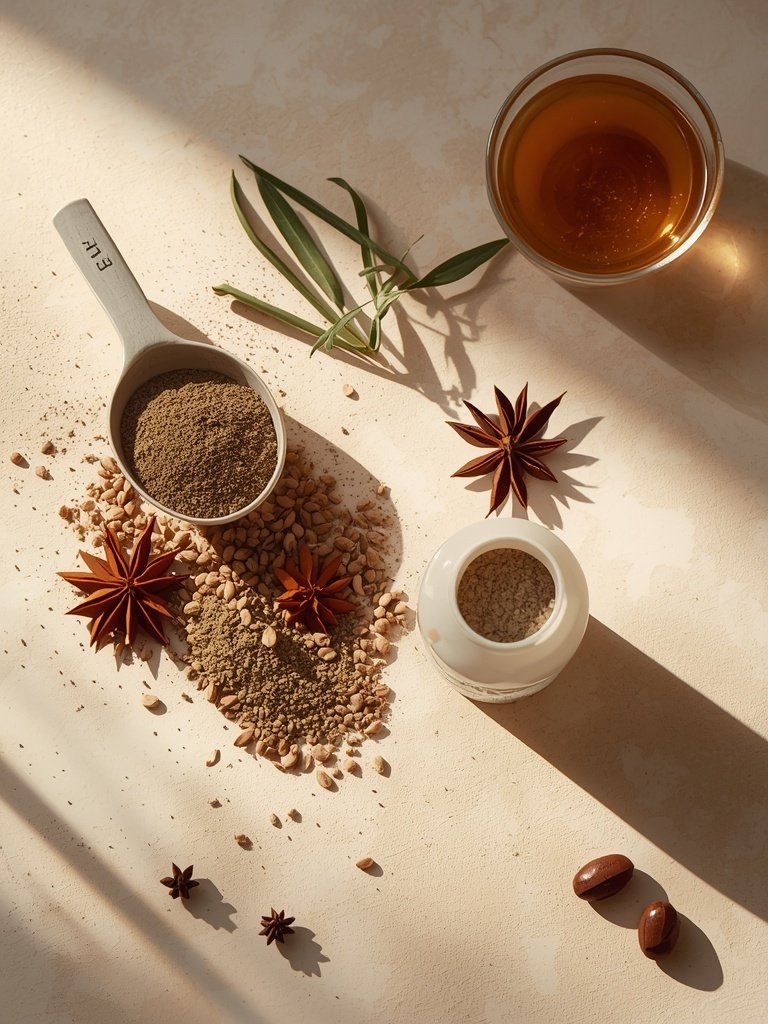
Table of Contents 17
Medical & Editorial Disclaimer (§3 Terms): This article is for informational and educational purposes only, does not constitute medical advice, diagnosis, or treatment, and is used at your own risk. Consult a qualified physician for medical conditions.
From a physiological perspective, culinary herbs and spices provide a dense reservoir of bioactive compounds, including polyphenols, flavonoids, phenolic acids, trace elements, and volatile essential oils rich in terpenes. Botanicals such as turmeric, oregano, sweet basil, bay laurel, thyme, rosemary, marjoram, garlic, and Ceylon cinnamon exhibit notable antioxidant activity that helps neutralize free radicals and supports balanced inflammatory responses. Furthermore, active constituents like curcumin in turmeric and piperine in black pepper contribute to maintaining healthy lipid profiles, while carvacrol and thymol found in wild marjoram demonstrate antimicrobial potential. Additionally, warming spices such as cloves, nutmeg, coriander, and cardamom gently stimulate gastric juice secretion and intestinal motility, fostering digestive comfort and a balanced gut microbiota.
In daily kitchen practice, combining single-ingredient seasonings with versatile blends like curry or Mediterranean herb compositions allows for effortless nutritional enrichment. Pairing sweet basil and oregano with tomato sauces, meats, or seafood, adding thyme and bay leaf to slow-simmered broths and stews, or incorporating Ceylon cinnamon into both savory roasts and sweet preparations brings depth to meals without relying heavily on table salt. Mindful and moderate use of these natural aromatics provides a practical, enjoyable way to support digestion and overall metabolic health every day.
The Role and Functions of Spices and Herbs in Culinary Arts and Human Health
How frequently do Poles incorporate herbs and spices into their daily diet?
Therapeutic potential of herbs and spices in health prophylaxis and metabolic process support
Anti-inflammatory properties of herbs and spices in autoimmune disease therapy
The free-radical-scavenging properties of culinary herbs and spices
Enhancing digestive function through natural spice-based interventions
Cardiovascular disease prophylaxis through the application of bioactive spice-derived compounds
Antibacterial efficacy and its mechanisms in herbal medicine: The role of wild marjoram in combating bacterial pathogens
The culinary role of key spices: Practical applications and flavor composition techniques
Sweet Basil – the quintessential Mediterranean culinary herb
Wild marjoram (oregano) – a versatile Mediterranean herb with broad culinary applications
Thyme-derived cordage of a cross-sectional diameter not exceeding ten millimetres
This exceptionally fragrant culinary herb, distinguished by its potent aroma and layered flavour profile, serves as an indispensable component in gastronomic applications, particularly as a flavour-enhancing agent. It plays a pivotal role in the maturation of rennet-based cheeses, the curing of charcuterie and meat products, and the enrichment of robust sauces founded on tomato, mushroom, or wine reductions, while equally elevating traditional soups—ranging from clear consommés to regional specialties such as żurek or Ukrainian borscht. Its adaptability permits integration into both slow-simmered dishes and rapid sauté preparations, where it releases the full spectrum of its volatile essential oils, thereby intensifying the sensory depth of the cuisine.
The noble bay leaf – an indispensable aromatic herb in Mediterranean and Central European culinary traditions
Varieties of edible capped fungi alongside muskmelons and related gourds
Curry spice blend – a versatile culinary enhancement for Asian and global cuisine
Peanuts (*Arachis hypogaea*) – a ubiquitous leguminous crop renowned for its rich, earthy flavor profile and widespread culinary applications
Ceylon cinnamon – a versatile spice with a distinctive aromatic profile
Want to apply these guidelines in your daily diet?
Our smart diet generator creates a tailored meal plan in 3 minutes based on the recommendations in this article.

Hać-Szymańczuk E., Lipińska E., Grzegrzółka O., Ocena aktywności przeciwbakteryjnej oregano (origanum vulgare l.), „Bromatologia i Chemia Toksykologiczna” 2012, 45, 308–314. Newerli-Guz J., Analiza rynku przypraw w Polsce, „Marketing i Zarządzanie” 2017, 48(2), 167–175. Newerli-Guz J., Zachowanie osób starszych na rynku przypraw i produktów przyprawowych, „Marketing i Zarządzanie” 2018, 52(2), 93–103. Orkusz A., Bogacz-Radomska L., Znaczenie przypraw w żywieniu człowieka, „Nauki Inżynierskie i Technologie” 2017, 4(27), 55–65. Tsui P.F. et al., Spices and atherosclerosis, „Nutrients” 2018, 10(11), 1724.
Diets Premium Expert
Diets Premium team expert. Specializes in nutrition plans, strength sports, and training plans.