Food & Ingredients 3 min read

Hazelnuts (Corylus avellana): Nutritional Profile, Bioactive Compounds, and Clinical Relevance

Hazelnuts (Corylus avellana): Nutritional Profile, Bioactive Compounds, and Clinical Relevance
1 photo
671

Smart Voice

AI
0:00
0:00
Listen to the article content live
Table of Contents 4

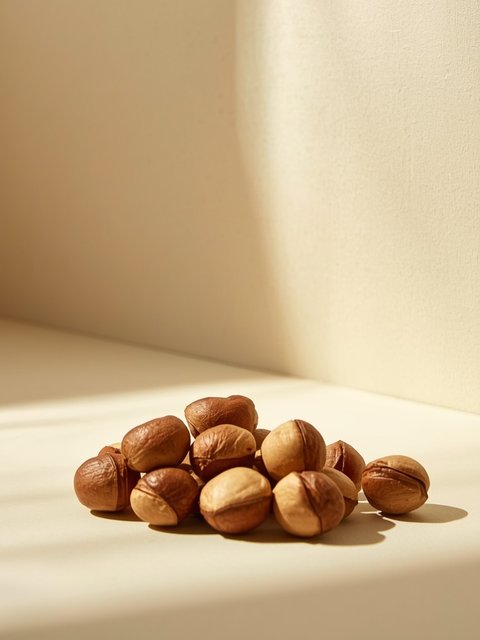
Hazelnuts are the nutrient-dense fruits of the hazel tree (Corylus avellana L.), belonging to the birch family (Betulaceae). Celebrated for their exceptional biochemical composition, they are a rich source of monounsaturated fatty acids (predominantly oleic acid), alpha-tocopherol (vitamin E), B-complex vitamins, and essential minerals including magnesium, copper, and manganese. With their remarkable nutrient density and potent antioxidant capacity, hazelnuts play a fundamental role in cardiovascular protection, lipid homeostasis, and neurocognitive preservation within evidence-based dietary patterns.

01 / 04

Botany, Cultivation, and Origin of the Hazelnut (Corylus avellana)

The common hazel (Corylus avellana L.) belongs to the birch family (Betulaceae) and is a deciduous shrub native to Europe and Western Asia. While certain cultivars are grown as ornamental plants in landscaping, specialized agricultural varieties are cultivated globally for nut production. The optimal conditions for hazelnut farming are found in temperate maritime and Mediterranean microclimates. Turkey is the undisputed global leader in production, accounting for approximately 65 to 70 percent of worldwide hazelnut output, followed by Italy, the United States (primarily Oregon), and Azerbaijan.

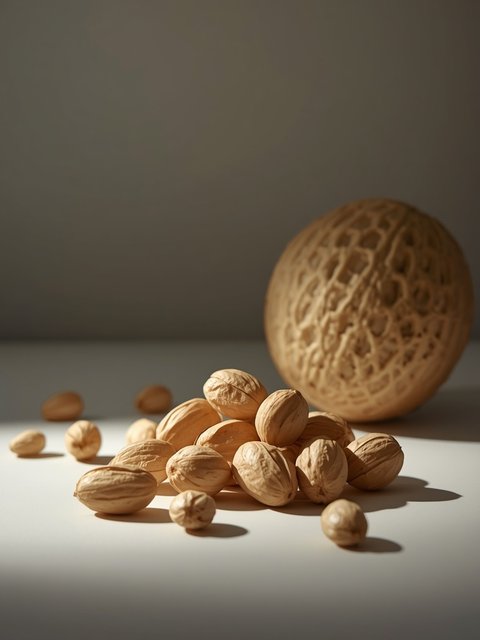
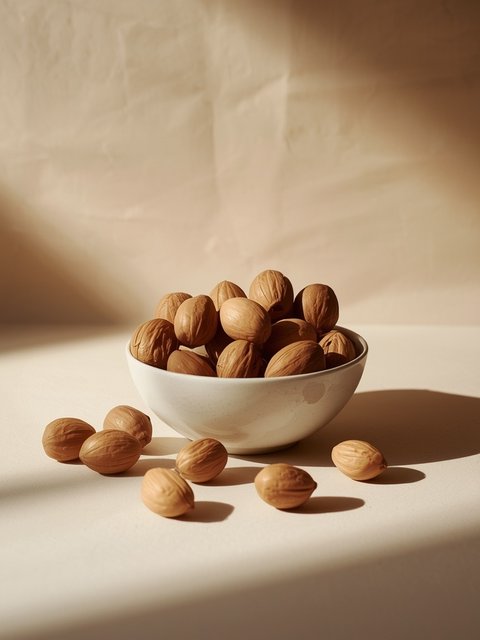
The edible kernel matures between late August and October, encased in a leafy protective husk (involucre). As maturity is reached, the hard pericarp changes color to a characteristic golden-brown hue, and the nut naturally detaches from the plant. Historically valued since antiquity across Greek, Roman, and Neolithic civilizations, hazelnuts provided a stable, calorie-dense sustenance throughout winter months. Today, they constitute a cornerstone of the traditional Mediterranean diet, widely celebrated for its documented cardiovascular and metabolic longevity benefits.

02 / 04

Nutritional Value, Macronutrients, and Caloric Density of Hazelnuts

Hazelnuts possess an extraordinary nutrient density. Delivering approximately 640 to 660 kcal per 100 g, they are inherently energy-dense. However, this caloric load is predominantly driven by high-quality lipids (60–62 g per 100 g), where monounsaturated fatty acids (MUFAs), specifically oleic acid, account for over 75–80% of total fatty acids. Saturated fatty acids remain exceptionally low, creating an ideal lipid ratio for metabolic and vascular health.

In addition to lipids, hazelnuts provide high-quality plant protein (14–15 g per 100 g) enriched with the nitric oxide precursor L-arginine, alongside substantial dietary fiber (9–10 g per 100 g). This unique matrix contributes to a very low glycemic index, blunting postprandial glucose excursions and promoting sustained satiety.

Their micronutrient spectrum is equally remarkable:

  • Vitamin E (alpha-tocopherol): Delivering 15–20 mg per 100 g, a standard daily portion of 30 g fulfills the majority of the recommended dietary allowance for this primary chain-breaking antioxidant.
  • B-Complex Vitamins: Significant levels of thiamine (B1), pyridoxine (B6), and folates (B9), supporting cellular division, neurotransmitter synthesis, and homocysteine regulation.
  • Minerals and Trace Elements: Exceptional amounts of magnesium, potassium, copper, manganese, and phosphorus, fostering skeletal integrity, enzymatic catalysis, and muscular excitability.
03 / 04

Health-Promoting Properties: Cardiovascular, Metabolic, and Neuroprotective Effects

A substantial body of clinical trials and nutritional epidemiologic cohorts demonstrates that incorporating hazelnuts (typically 30 g daily) into human dietary regimens confers profound cardiovascular benefits. The synergy of oleic acid, phytosterols, and soluble dietary fiber reliably reduces total cholesterol, apolipoprotein B, and atherogenic low-density lipoprotein (LDL) fractions without precipitating negative shifts in high-density lipoprotein (HDL) cholesterol. Concurrently, the rich pool of alpha-tocopherol and polyphenols mitigates the oxidative modification of LDL particles, a foundational step in atherogenesis.

From a hemodynamic and metabolic viewpoint, hazelnuts enhance endothelial function. As rich natural reservoirs of L-arginine, they promote the endothelial nitric oxide synthase (eNOS) pathway, stimulating nitric oxide (NO) generation and fostering systemic vasodilation and arterial compliance.

Furthermore, hazelnuts offer documented neuroprotective qualities. The convergence of magnesium, bioavailable folates, vitamin B6, and phenolic compounds downregulates neuroinflammatory cascades, mitigates neurodegenerative oxidative stress, and preserves neurocognitive performance across advancing age.

04 / 04

Hazelnut Allergies, Oral Allergy Syndrome (OAS), and Dietary Recommendations

Despite their exceptional nutritional portfolio, hazelnuts represent one of the most prominent elicitors of tree nut allergies across Europe and North America. In clinical allergology, two distinct clinical phenotypes must be differentiated:

  • Pollen-Food Allergy Syndrome / Oral Allergy Syndrome (OAS): Driven by cross-reactivity between the major birch pollen allergen Bet v 1 and the hazelnut pathogenesis-related protein Cor a 1. Sensitized individuals typically develop localized symptoms—itching, tingling, and mild edema of the lips, oral mucosa, and pharynx. Because Cor a 1 is heat-labile and digestible, thoroughly roasted or thermally processed hazelnuts may frequently be tolerated.
  • Systemic Primary Sensitization: Mediated by heat-stable and pepsin-resistant seed storage proteins (Cor a 9, Cor a 11) and non-specific lipid transfer proteins (Cor a 8). These can trigger severe systemic symptoms, including generalized urticaria, bronchospasm, and life-threatening anaphylaxis even upon ingestion of trace quantities.

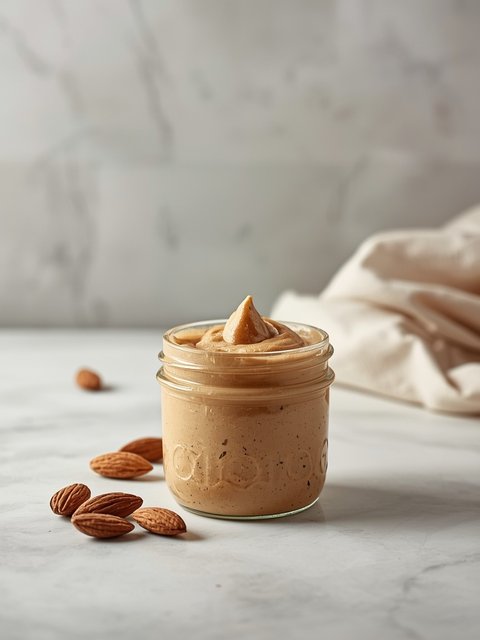
For individuals without clinical allergies, the optimal health benefits are achieved by consuming whole, raw, unsalted, and unblemished hazelnuts, maintaining their natural brown pellicle which contains the highest concentration of antioxidant polyphenols. Industrial confections containing trans-fats and refined sugars should be substituted with raw nuts or 100% single-ingredient hazelnut butter.

Meal Plan

Want to apply these guidelines in your daily diet?

Our smart diet generator creates a tailored meal plan in 3 minutes based on the recommendations in this article.

Oliwia Kaczmarek
Scientifically reviewed by a clinical dietitian • 23.10.2026

Oliwia Kaczmarek

Diets Premium Expert

Diets Premium team expert. Specializes in nutrition plans, strength sports, and training plans.

USDA FoodData Central EFSA PubMed Clinical Guidelines
Loading
Recommended articles in this category

Related Articles

Discover similar publications and expert insights.

Does conventional oat grain inherently contain gluten in its natural form?
Food & Ingredients
Does conventional oat grain inherently contain gluten in its natural form?
⏱ 5 min czytania 📚 Food & Ingredients
#Metabolic Processes #Electrolyte Balance
Brain-boosting diet... Does it genuinely improve cognitive function?
Food & Ingredients
Brain-boosting diet... Does it genuinely improve cognitive function?
⏱ 4 min czytania 📚 Food & Ingredients
#Essential Nutrients #Omega-3 Fatty Acids
Virgin and copra-pressed coconut oil: Metabolic properties, culinary applications, and thermal smoke points
Antioxidant
Virgin and copra-pressed coconut oil: Metabolic properties, culinary applications, and thermal smoke points
⏱ 3 min czytania
#Antioxidant #Fatty Acids
Pine Nuts (Pignolias) – Nutritional Characteristics, Sourcing, and Culinary Substitutes
Food & Ingredients
Pine Nuts (Pignolias) – Nutritional Characteristics, Sourcing, and Culinary Substitutes
⏱ 4 min czytania 📚 Food & Ingredients
#Nutritional Properties #Bioactive Compounds
Why mushrooms represent an exceptionally valuable natural source of vitamin D for human health
Food & Ingredients
Why mushrooms represent an exceptionally valuable natural source of vitamin D for human health
⏱ 1 min czytania 📚 Food & Ingredients
#Metabolic Processes #Bioactive Compounds
Pumpkin seeds – health properties, vitamins, nutritional value, and role in weight loss
Food & Ingredients
Pumpkin seeds – health properties, vitamins, nutritional value, and role in weight loss
⏱ 3 min czytania 📚 Food & Ingredients
#Fat-soluble Vitamins #Weight Loss Support
Contraindicated attributes and side effects of sea kelp
Antioxidants
Contraindicated attributes and side effects of sea kelp
⏱ 4 min czytania
#Antioxidants #Omega-3 Fatty Acids
Cold-pressed virgin rapeseed oil: biochemical characteristics and clinical nutrition
Polyunsaturated Fatty Acids
Cold-pressed virgin rapeseed oil: biochemical characteristics and clinical nutrition
⏱ 3 min czytania
#Polyunsaturated Fatty Acids #Nutritional Composition
Walnuts – A Nutritional Powerhouse for Heart, Brain, and Longevity
Food & Ingredients
Walnuts – A Nutritional Powerhouse for Heart, Brain, and Longevity
⏱ 2 min czytania 📚 Food & Ingredients
#Polyunsaturated Fatty Acids #Omega-3 Fatty Acids
Fennel and Dill – Properties, Nutritional Profile, and Phytotherapeutic Applications
Metabolic Processes
Fennel and Dill – Properties, Nutritional Profile, and Phytotherapeutic Applications
⏱ 3 min czytania
#Metabolic Processes #Essential Oils
Characteristics, chemical composition, and practical utilization of pecan nuts in diet and industry
Food & Ingredients
Characteristics, chemical composition, and practical utilization of pecan nuts in diet and industry
⏱ 3 min czytania 📚 Food & Ingredients
#Polyunsaturated Fatty Acids #Essential Nutrients
Poppy Seeds (Papaver) – Varieties, Nutritional Density, Calcium, Culinary Uses, and Safety
Food Science
Poppy Seeds (Papaver) – Varieties, Nutritional Density, Calcium, Culinary Uses, and Safety
⏱ 13 min czytania 📚 Food Science
#Culinary Versatility #Culinary Preparation
Nature’s treasure in a nutshell – why hazelnuts merit the superfood designation
Health Benefits
Nature’s treasure in a nutshell – why hazelnuts merit the superfood designation
⏱ 2 min czytania
#Health Benefits #Hazelnuts
Surimi Crab Sticks – Technological Composition, Nutritional Value, Market Price, and Culinary Recipes
Food & Ingredients
Surimi Crab Sticks – Technological Composition, Nutritional Value, Market Price, and Culinary Recipes
⏱ 5 min czytania 📚 Food & Ingredients
#Nutritional Composition #Omega-3 Fatty Acids
Homemade almond butter – health benefits, tested recipes, and a step-by-step guide to preparing it in your own kitchen
Food & Ingredients
Homemade almond butter – health benefits, tested recipes, and a step-by-step guide to preparing it in your own kitchen
⏱ 5 min czytania 📚 Food & Ingredients
#Essential Nutrients #Flavor Enhancement
Vitamins for hair and nails, so how to achieve their beauty and strength
Metabolic Processes
Vitamins for hair and nails, so how to achieve their beauty and strength
⏱ 3 min czytania
#Metabolic Processes #Dietary Supplements
Children, Teens, Adults, and Seniors – Everyone Needs Vitamins!
Nutrition
Children, Teens, Adults, and Seniors – Everyone Needs Vitamins!
⏱ 5 min czytania 📚 Nutrition
#Metabolic Processes #Metabolic
Components of vitamin D: Prospect of over-absorbing vitamin D
Vitamins
Components of vitamin D: Prospect of over-absorbing vitamin D
⏱ 4 min czytania 📚 Vitamins
#Metabolic Processes #Metabolic
Culinary Processing of Meat: Preserving Bioactive Nutrients, Flavor, and Digestibility
Essential Amino Acids
Culinary Processing of Meat: Preserving Bioactive Nutrients, Flavor, and Digestibility
⏱ 5 min czytania
#Essential Amino Acids #Complete Protein
Hempseed oil derived from *Cannabis sativa* – biochemical composition, health benefits, and practical guidelines for use
Polyunsaturated Fatty Acids
Hempseed oil derived from *Cannabis sativa* – biochemical composition, health benefits, and practical guidelines for use
⏱ 4 min czytania
#Polyunsaturated Fatty Acids #Plant-based Protein
Chili Peppers – Health Properties of Capsaicin, Scoville Scale, Popular Varieties, and Homemade Chili Sauce Recipe
Food & Ingredients
Chili Peppers – Health Properties of Capsaicin, Scoville Scale, Popular Varieties, and Homemade Chili Sauce Recipe
⏱ 3 min czytania 📚 Food & Ingredients
#Bioactive Compounds #Essential Nutrients
Nutritional approaches to decelerate aging and botanical compounds supporting cellular longevity
Bioactive Compounds
Nutritional approaches to decelerate aging and botanical compounds supporting cellular longevity
⏱ 9 min czytania
#Bioactive Compounds #Chronic Diseases
Dried cranberry
Fruits
Dried cranberry
⏱ 2 min czytania 📚 Fruits
#Natural Preservative #Magnesium
Pumpkin
Nutrition
Pumpkin
⏱ 2 min czytania 📚 Nutrition
#Carotenoids #Vitamin C
Typical sunflower
Antioxidant
Typical sunflower
⏱ 2 min czytania
#Antioxidant #Magnesium
Rice Noodles – Varieties, Nutritional Profile, Glycemic Index, and Culinary Recipes
Food Science
Rice Noodles – Varieties, Nutritional Profile, Glycemic Index, and Culinary Recipes
⏱ 2 min czytania 📚 Food Science
#Rice Noodles #Magnesium
Ascorbic acid in your child's diet - ideal sources, supplementation
Vitamins And Minerals
Ascorbic acid in your child's diet - ideal sources, supplementation
⏱ 4 min czytania
#Vitamins And Minerals #Children's Nutrition
White button mushrooms in the daily diet – nutritional properties, calories, vitamins, and culinary uses
Food & Ingredients
White button mushrooms in the daily diet – nutritional properties, calories, vitamins, and culinary uses
⏱ 3 min czytania 📚 Food & Ingredients
#Champignon Mushrooms #Carbohydrates
Essential Unsaturated Fatty Acids (EUFAs): Biological Role, Dietary Sources, and Health Implications of Deficiency in the Human Body
Unsaturated Fats
Essential Unsaturated Fatty Acids (EUFAs): Biological Role, Dietary Sources, and Health Implications of Deficiency in the Human Body
⏱ 4 min czytania
#Unsaturated Fats #Nutritional Properties
Dietary Magnesium: Key Food Sources, Thermal Processing Losses, and Bioavailability Factors
Nutritional Science
Dietary Magnesium: Key Food Sources, Thermal Processing Losses, and Bioavailability Factors
⏱ 4 min czytania 📚 Nutritional Science
#Food Processing #Magnesium

Share