Nature's treasure in a nutshell – why hazelnuts deserve the title of superfood
Table of Contents 4
Medical & Editorial Disclaimer (§3 Terms): This article is for informational and educational purposes only, does not constitute medical advice, diagnosis, or treatment, and is used at your own risk. Consult a qualified physician for medical conditions.
From a biochemical perspective, hazelnuts are among nature's premier sources of alpha-tocopherol, the most biologically active form of vitamin E, which helps safeguard cellular membranes against lipid peroxidation and oxidative stress. The natural synergy of monounsaturated oleic acid, plant phytosterols such as beta-sitosterol, and soluble dietary fiber supports healthy lipid profiles, while magnesium and potassium contribute to normal vascular tone and endothelial function. Furthermore, folate, tocopherols, and proanthocyanidins offer neuroprotective support for cognitive vitality, and the combination of dietary fiber with a low glycemic impact helps moderate postprandial glucose fluctuations.
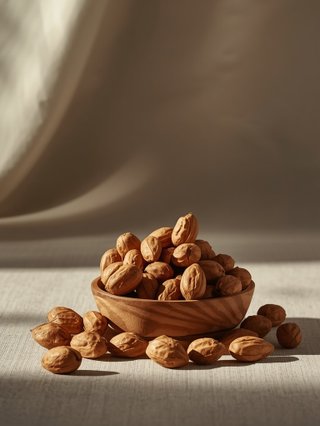
To maximize their nutritional value in daily life, hazelnuts are best enjoyed raw, unroasted, and unsalted in a sensible portion equivalent to a standard handful. Retaining their thin brown pellicle is especially beneficial, as this outer skin harbors the richest concentration of antioxidant polyphenols. They can be effortlessly incorporated into morning oatmeal, crisp vegetable salads, homemade pestos, or pure nut butter free from hydrogenated oils and added sugars.
While walnuts have long dominated nutritional discourse with arguably disproportionate acclaim, another indigenous nut variety remains overlooked despite its substantial health benefits. This article examines the scientifically validated advantages of hazelnuts—products boasting an exceptional nutritional profile whose role in balanced diets has yet to receive proper recognition from both experts and consumers.
Biochemical profile of hazelnuts: vitamin E and healthy fatty acids
Hazelnuts (the fruit of Corylus avellana) possess an exceptional nutritional density. They rank among nature's premier sources of alpha-tocopherol—the most biologically active form of vitamin E. A single handful (approximately 30 grams) provides over 80% of the recommended daily intake of this potent antioxidant, safeguarding cellular membranes against lipid peroxidation.
Over 60% of a hazelnut's dry weight consists of healthy lipids, predominantly oleic acid—a heart-healthy monounsaturated fatty acid (MUFA) structurally identical to that in extra virgin olive oil. Furthermore, hazelnuts supply folate, vitamin B6, copper, manganese, magnesium, and dietary phosphorus.
Cardioprotective effects and lipid profile optimization
Extensive clinical trials demonstrate that regular hazelnut consumption exerts profound cardioprotective effects. Through the synergy of oleic acid, plant phytosterols (notably beta-sitosterol), and soluble fiber, dietary hazelnuts consistently lower circulating LDL cholesterol and triglycerides while maintaining or elevating protective HDL levels.
Furthermore, their substantial magnesium and potassium content supports vascular endothelial function and normal vascular tone, facilitating arterial blood pressure regulation and mitigating long-term cardiovascular risks.
Neuroprotection, cognitive performance, and metabolic health
Abundant in tocopherols, proanthocyanidins, and folate, hazelnuts provide critical neuroprotective support. They attenuate oxidative stress in neural tissues, support neurotransmitter synthesis, enhance executive cognitive functions, and help preserve memory in aging populations.
Additionally, their low glycemic index combined with dietary fiber prevents postprandial glucose volatility. Hazelnuts represent an ideal nutritional tool for individuals with insulin resistance and type 2 diabetes, promoting sustained satiety and appetite regulation.
Practical dietary guidelines: portioning and optimal consumption
An optimal daily portion is roughly 30–40 grams (a standard handful), providing approximately 200–250 kcal of clean metabolic energy. They are most beneficial when consumed raw, unroasted, and unsalted, retaining their thin brown pellicle which contains the highest concentration of antioxidant polyphenols.
Hazelnuts seamlessly complement morning oatmeal, vibrant vegetable salads, artisanal pestos, or can be ground into 100% pure nut butter free from hydrogenated oils and added sugar. Store in an airtight container in a cool, dark environment to prevent lipid rancidity.
Want to apply these guidelines in your daily diet?
Our smart diet generator creates a tailored meal plan in 3 minutes based on the recommendations in this article.

Lena Bauer
Diets Premium Expert
Diets Premium team expert. Specializes in nutrition plans, strength sports, and training plans.