Green tea (Camellia sinensis) – health benefits, catechins (EGCG) and effect on the body


Table of Contents 3
Medical & Editorial Disclaimer (§3 Terms): This article is for informational and educational purposes only, does not constitute medical advice, diagnosis, or treatment, and is used at your own risk. Consult a qualified physician for medical conditions.
The physiological potency of the beverage stems from its rich profile of polyphenolic catechins, predominantly epigallocatechin gallate, alongside the unique amino acid L-theanine and naturally occurring caffeine. Together, these bioactive compounds support lipid metabolism, enhance thermogenesis, and protect cellular structures against systemic oxidative stress. Furthermore, the synergistic interplay between L-theanine and caffeine promotes sustained mental alertness and cognitive performance while fostering a state of calm focus.
Incorporating this beverage into daily routines requires mindful preparation practices, such as avoiding boiling water to protect delicate compounds and ensure optimal bioavailability. Regular and moderate consumption serves as a valuable dietary habit that contributes to cardiovascular health and metabolic vitality, offering a natural approach to long-term wellness without replacing professional medical guidance.
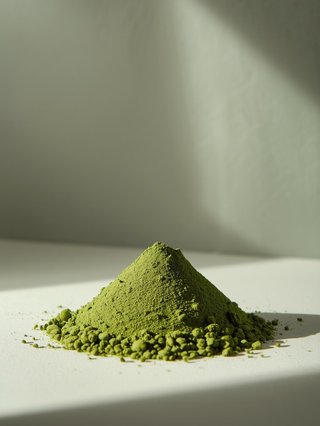
Green tea, produced from the unfermented leaves of Camellia sinensis, is an extensively investigated functional beverage endowed with profound clinical health benefits. It is extraordinarily rich in polyphenolic catechins, predominantly epigallocatechin gallate (EGCG), as well as the unique nootropic amino acid L-theanine and natural caffeine. Regular green tea consumption confers potent cardiovascular protection, enhances lipid oxidation, optimizes cognitive performance, and guards against systemic oxidative stress.
Biochemical Profile and Antioxidant Power of Catechins (EGCG)
Green tea leaves undergo rapid thermal inactivation (steaming in Japan or pan-firing in China) right after harvesting, permanently deactivating polyphenol oxidase and preserving the pristine polyphenolic matrix.
The principal bioactives are flavan-3-ols (catechins), constituting up to 30% of dry leaf mass:
- Epigallocatechin gallate (EGCG) – the most prominent catechin, providing exceptional radical scavenging capacity that substantially exceeds vitamins C and E in vitro.
- Endothelial vasoprotection – catechins upregulate endothelial nitric oxide synthase (eNOS), fostering vasodilation and supporting healthy arterial pressure.
- Atheroprotective lipid defense – EGCG suppresses the oxidative modification of LDL cholesterol (oxLDL), curbing foam cell formation in atherosclerotic pathogenesis.
Neurological Impact and Stress Reduction: Synergism of L-Theanine and Caffeine
A defining hallmark of green tea is its high concentration of L-theanine, a non-proteinogenic amino acid capable of readily crossing the blood-brain barrier. Acting as a structural analogue of glutamate, L-theanine stimulates inhibitory GABAergic tone and elevates cerebral alpha wave activity (8–12 Hz), producing a state of relaxed mental alertness without somnolence.
Synergizing with dietary caffeine, L-theanine enhances working memory, task-switching accuracy, and sustained vigilance while eliminating jitteriness, cardiac palpitations, and post-caffeine energy crashes.
Metabolic Impact, Cardiovascular Health, and Optimal Brewing Practices
Clinical trials demonstrate that green tea catechins coupled with caffeine stimulate thermogenesis and lipid oxidation by inhibiting catechol-O-methyltransferase (COMT). Additionally, green tea moderates postprandial glucose surges by attenuating digestive carbohydrate absorption.
Guidelines for optimal preparation and bioavailability:
- Water temperature – heat water to 70–80°C (158–176°F). Boiling water degrades delicate catechins and releases harsh astringent tannins.
- Steeping duration – 2 to 3 minutes yields optimal polyphenol and L-theanine extraction without unpalatable bitterness.
- Meal timing – because polyphenols bind non-heme iron, consume green tea between meals rather than directly alongside iron-rich dishes.
Want to apply these guidelines in your daily diet?
Our smart diet generator creates a tailored meal plan in 3 minutes based on the recommendations in this article.

mgr Emilia Szymańska
• 23.10.2026Diets Premium Expert
Diets Premium team expert. Specializes in nutrition plans, strength sports, and training plans.