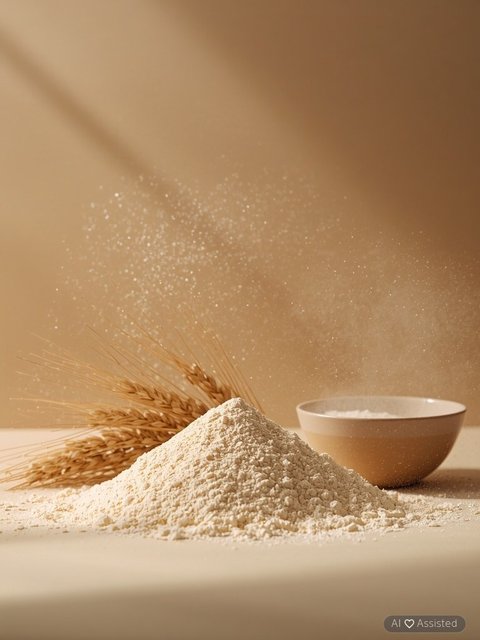
Gluten-Free Flours – Varieties, Nutritional Profiles, Baking Properties, and Culinary Applications

Smart Voice
AITable of Contents 6
Celiac Disease and the Gluten-Free Diet – Safe Flour Selection
Celiac disease is a genetically mediated systemic autoimmune enteropathy triggered by the ingestion of gluten prolamins (found in wheat, rye, and barley), culminating in small bowel villous atrophy and malabsorption. Permanent adherence to a strict gluten-free diet is mandatory:
- The Crossed Grain symbol – patients must select flours verified by the certified Crossed Grain trademark or legally labeled 'gluten-free' (containing <20 ppm / 20 mg/kg gluten).
- Cross-contamination hazards – botanically gluten-free grains (such as buckwheat, oats, or maize) processed in conventional commercial mills frequently suffer severe dust cross-contact, rendering generic uncertified bags unsafe.
- Whole single-origin flours – swapping ultra-processed commercial baking mixes (which rely heavily on refined starches and added sugars) for whole-grain alternative flours prevents micronutrient deficiencies in B-vitamins, iron, and dietary fiber.
Classification and Functional Properties of Gluten-Free Flours
The total absence of gluten—the viscoelastic network retaining leavening gases—represents a profound culinary challenge, requiring flour balancing:
- Base neutral flours – white rice, certified oat, corn, and millet flours; forming 50–70% of standard baking blends.
- Structural starches – potato starch, tapioca flour, cornstarch; providing rapid gelatinization, preventing crumbly textures, and retaining moisture.
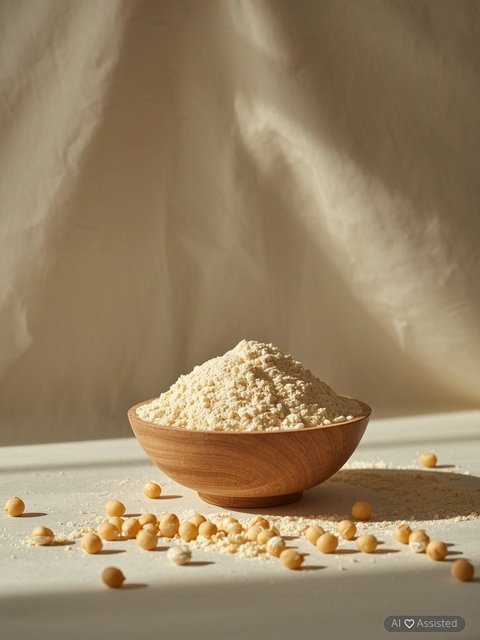
- Nutritional enhancer flours – buckwheat, chickpea, teff, and amaranth flours; integrated at 10–30% ratios to introduce artisanal flavor, amino acids, and minerals.
- Hydrocolloid binders – replicating gluten elasticity requires natural water-binding hydrocolloids such as psyllium husk, ground flaxseed, chia gel, or xanthan/guar gums.
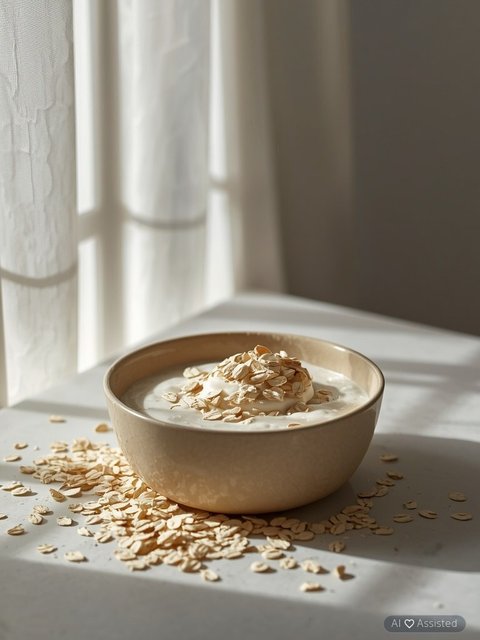
Certified Gluten-Free Oat Flour – Dietary Fiber and Beta-Glucans
Certified gluten-free oat flour represents a nutrient-dense cornerstone of modern allergen-free baking:
- Avenin tolerance and certification – oats naturally produce avenin rather than wheat gliadin, an amino acid sequence well tolerated by >95% of celiac patients. Strict certified sourcing is imperative to eliminate cross-contamination from adjacent wheat fields.
- Soluble beta-glucans – rich in functional beta-glucan fibers that form viscous solutions in the small intestine, binding bile acids to lower LDL cholesterol and modulating postprandial glucose uptake.
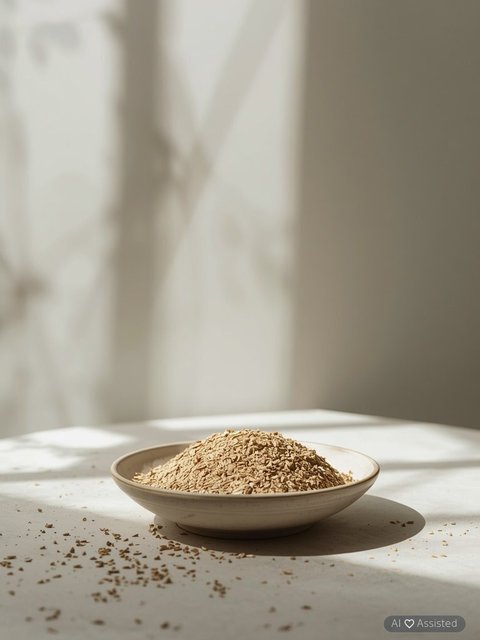
- Baking characteristics – confers moist crumb, mild nutty sweetness, and structural softness; excels in pancakes, breakfast waffles, muffins, and artisan bread formulations.
Gluten-Free Rice Flour – White vs Brown Whole-Grain Varieties
Derived from milled grains of Oryza sativa, rice flour serves as the most widely implemented gluten-free base:
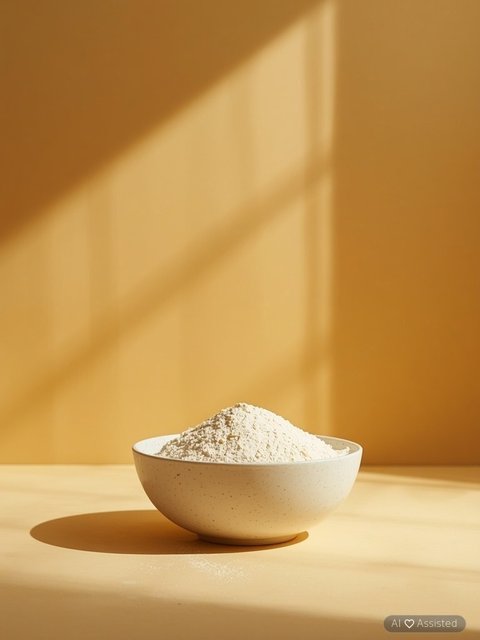
- White rice flour – provides complete neutral flavor, clean pale appearance, and easily digestible starches; forms the versatile foundation for sponge cakes, shortbread crusts, and sauce thickening.
- Brown whole-grain rice flour – milled with bran and germ layers intact; supplies elevated dietary fiber, B-complex vitamins, magnesium, and phosphorus with a pleasant rustic nuttiness.
- Milling mesh significance – coarse rice grinds produce an undesirable gritty or sandy mouthfeel in delicate pastries; utilizing superfine-milled rice flour is essential for smooth gluten-free crumb structures.
Gluten-Free Buckwheat Flour – Mineral Density and Robust Flavor
Buckwheat flour originates from milled achenes of Fagopyrum esculentum, botanically classified as a polygonaceous pseudocereal rather than a true poaceous grass:
- Nutritional and flavonoid density – delivers exceptional plant protein balanced in lysine, alongside bioavailable magnesium, copper, and rutin—a vasculoprotective polyphenol reinforcing capillary walls.
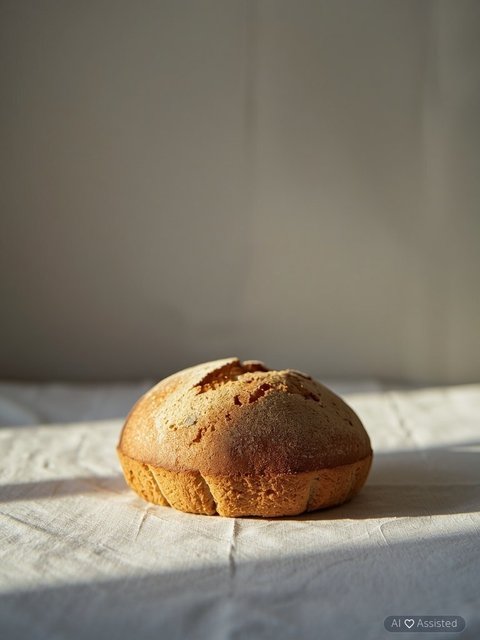
- Earthy flavor profile – presents a robust, nutty profile and characteristic grey-flecked hue; traditionally celebrated in savory French Breton galettes, rustic sourdough loaves, and Japanese soba noodles.
- Inherent hydration capacity – natural mucilage polysaccharides within buckwheat bind moisture effectively, mitigating the crumbly tendencies of gluten-free doughs.
Gluten-Free Corn Flour – Carotenoids and Golden Sweetness
Corn flour milled from kernels of Zea mays imparts vibrant golden hues and pleasant sweetness to allergen-free cuisine:
- Carotenoids for retinal health – vibrant yellow pigmentation reflects dense concentrations of lutein and zeaxanthin, macular carotenoids that protect ocular photoreceptors from oxidative blue-light degradation.
- Corn flour vs cornstarch distinction – corn flour represents whole ground corn grain; cornstarch (maizena) is pure isolated endosperm starch utilized purely as an elastic thickening and aerating agent.
- Gastronomic applications – fundamental for authentic Italian polenta, Latin American arepas and tortillas, crispy vegetable coatings, and imparting crunchy rims to gluten-free pizza crusts.
Want to apply these guidelines in your daily diet?
Our smart diet generator creates a tailored meal plan in 3 minutes based on the recommendations in this article.
Tags

Czerwińska D., 2011. Przetwory z kukurydzy – rodzaje, charakterystyka, wykorzystanie. Nie tylko osoby chore na celiakię mogą korzystać z drogocennych właściwości mąk bezglutenowych. Spróbujmy urozmaicać naszą dietę w coraz to nowe produkty. Produkty zbożowe często obciążają nasz organizm. Częściowa zamiana na te bez glutenu pozytywnie wpłynie na trawienie, a co za tym idzie poprawę naszego samopoczucia. Aby mieć pewność, że w wybranych przez nas produktach nie ma glutenu, najlepiej szukać tych ze znakiem przekreślonego kłosa.
Diets Premium Expert
Diets Premium team expert. Specializes in nutrition plans, strength sports, and training plans.