Oat groats – characteristics, nutritional content, and uses in diet and cosmetics
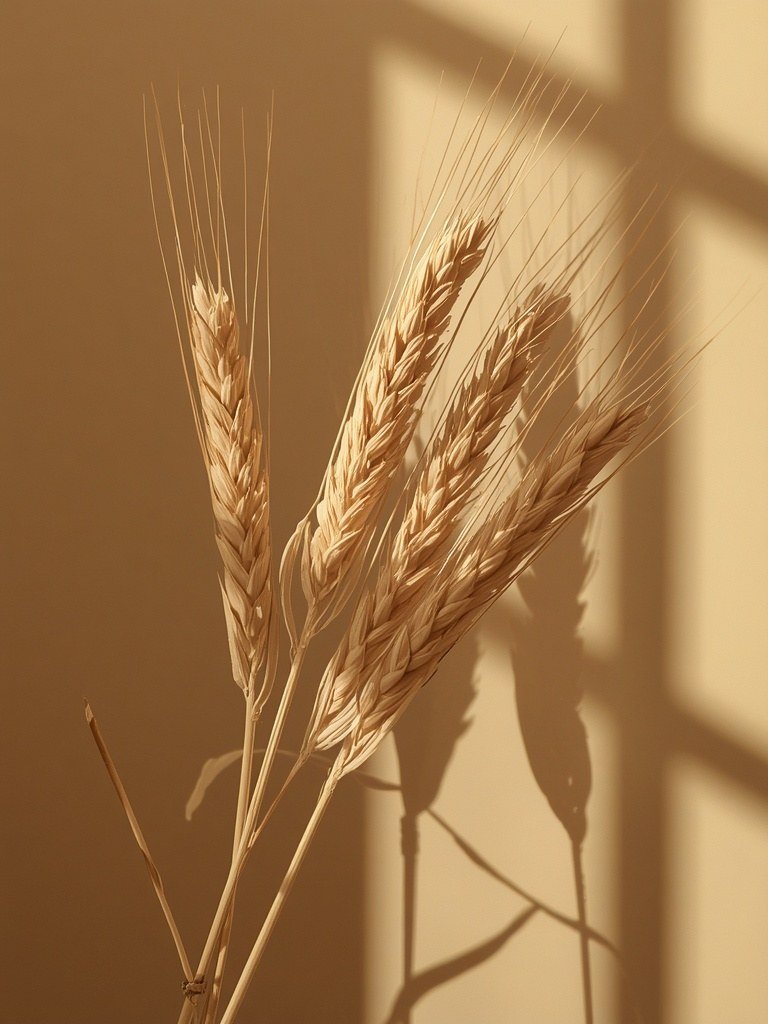
Table of Contents 4
Medical & Editorial Disclaimer (§3 Terms): This article is for informational and educational purposes only, does not constitute medical advice, diagnosis, or treatment, and is used at your own risk. Consult a qualified physician for medical conditions.
The physiological value of these flakes is rooted in their exceptional concentration of silica, a trace element vital for the biosynthesis of collagen and elastin, which directly impacts the strength of connective tissues, hair, and nails. The article highlights how the combination of B-complex vitamins and dietary fiber promotes efficient metabolic function and healthy digestion. Furthermore, the presence of native lecithin and complex carbohydrates ensures a steady release of energy without causing significant gastrointestinal stress.
Practical application in the kitchen is effortless, as millet flakes require minimal preparation to create nourishing meals such as warm breakfast porridges, enriched smoothies, or homemade energy bars. They also function as an excellent gluten-free coating for proteins, adding a delicate texture to baked dishes. By integrating these flakes into a daily routine, individuals can naturally enhance their intake of vital minerals and vitamins, supporting both internal health and external radiance through evidence-based nutritional choices.
Millet flakes, crafted from dehulled and rolled proso millet grains, represent an abundant dietary source of B-complex vitamins, vitamin E, and vital minerals—predominantly bioavailable silica that promotes youthful skin, lustrous hair, and strong nails. Characterized by their natural gluten-free status and gentle digestibility, they serve as an optimal breakfast staple for individuals managing celiac disease, sensitive digestion, or pursuing clean nutrition. What functional properties do millet flakes offer, and how can they be creatively integrated into modern meals?
Millet flakes – origin from proso millet and production methods
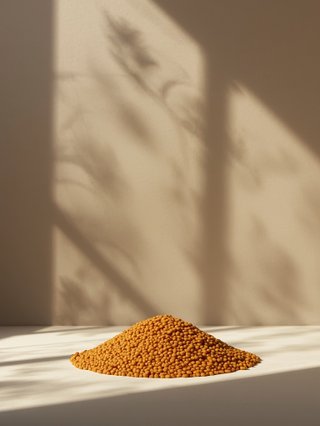
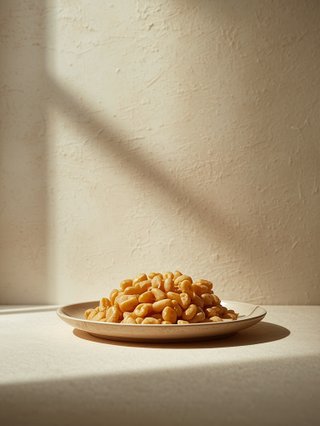
Millet flakes are milled from proso millet (Panicum miliaceum)—one of humanity's most ancient cultivated cereal grains, dating back to Neolithic agriculture. The industrial manufacturing process cleans the grain, dehulls the tough outer pericarp, steams the kernels hydrothermally, and flattens them between heavy rollers into delicate flakes. Millet flakes feature a mild, subtle flavor, a tender crispy texture, and an attractive golden-yellow appearance. Alongside whole millet groats, they provide an easily digestible, wholesome staple suited for modern nutrition.
Health virtues, easy digestibility, and gluten-free status
Millet flakes rank among the most easily digestible grain products available, placing minimal stress on the gastrointestinal tract and exhibiting very low allergenicity. They are naturally gluten-free and perfectly tolerated by patients with celiac disease. Furthermore, proso millet exerts an alkalizing physiological effect, aiding systemic acid-base equilibrium. Soluble dietary fiber fractions optimize peristalsis, alleviate functional constipation, and bind metabolic wastes, while native lecithin supports cognitive focus, neural performance, and healthy lipid metabolism.
Nutritional composition, bioavailable silica, and vital minerals
The nutritional profile of millet flakes is robust: a 100 g portion supplies approximately 360 kcal, 10 to 11 g of plant protein, 3 g of lipids, and 70 g of complex carbohydrates with low intestinal fermentation potential. Their distinguishing feature is an exceptional concentration of bioavailable silicic acid (silica)—a vital trace element required for collagen and elastin biosynthesis that strengthens cartilage, blood vessels, hair follicles, and nails. They also supply abundant B-complex vitamins, vitamin E, iron, magnesium, phosphorus, zinc, potassium, and copper.
Culinary versatility, nourishing breakfast recipes, and beauty benefits
Millet flakes boast tremendous kitchen versatility. They cook in minutes: simmering them in hot milk or water for just 2 minutes yields a luscious porridge that pairs delightfully with stewed apples, cinnamon, raw honey, and berries. They blend smoothly into green smoothies, enrich homemade protein bars, and serve as an exceptionally crisp, gluten-free crust for baked chicken or tofu cutlets. Ingested regularly, the abundant dietary silica acts as an internal nutricosmetic, revitalizing skin suppleness and strengthening brittle hair and nails.
Want to apply these guidelines in your daily diet?
Our smart diet generator creates a tailored meal plan in 3 minutes based on the recommendations in this article.
Tags

mgr Literatura: B. Achremowicz, Porównanie składu chemicznego i mineralnego, płatki zbożowe – ocena porównawcza, Część I, „Postępy techniki przetwórstwa spożywczego” 2016, nr (2), http://yadda.icm.edu.pl/yadda/element/bwmeta1.element.baztech-9d39b084-8a2a-4fc9-bb75-b806c8979265 [dostęp 10.11.2017]. Brown L. in., Cholesterol lowering effect of dietary fiber. A metaanalysis, „Am. J. Clin. Nut” 1999, nr (69) s. 30–42, https://www.ncbi.nlm.nih.gov/pubmed/9925120 [dostęp 10.11.2017]. W. Daniewski, A. Wojtasik, H., Kunachowicz, Zawartość glutenu w bezglutenowych środkach spożywczych specjalnego żywieniowego przeznaczenia i innych produktach spożywczych, „Roczn. Pzh” 2010, nr (1) s. 51–55, http://yadda.icm.edu.pl/yadda/element/bwmeta1.element.agro-article-beca624f-a29e-4013-be75-5d2308ff2096 [dostęp 10.11.2017].
Diets Premium Expert
Diets Premium team expert. Specializes in nutrition plans, strength sports, and training plans.