Fennel and Dill – Properties, Nutritional Profile, and Phytotherapeutic Applications

Smart Voice
AITable of Contents 3
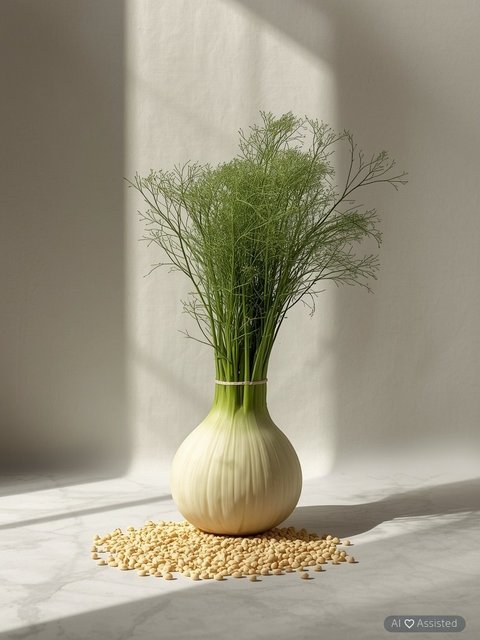
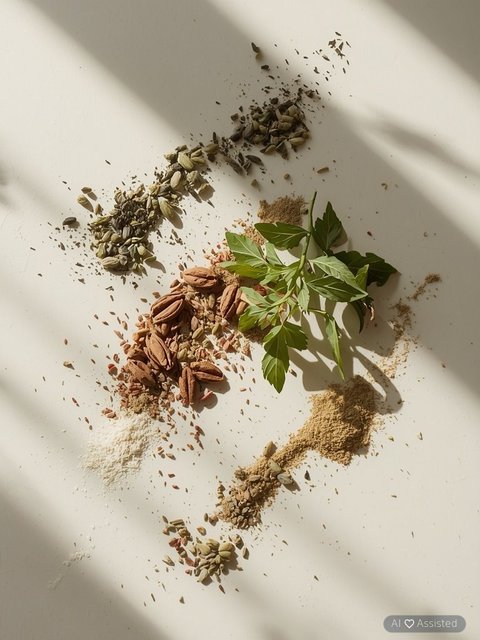
Fennel (Foeniculum vulgare) and dill (Anethum graveolens) are two prominent herbs of the Apiaceae family widely celebrated in culinary arts and phytotherapy. Rich in volatile essential oils, dietary fiber, and polyphenolic antioxidants, they exert reliable carminative, antispasmodic, and digestive-supportive properties. This comprehensive guide explores their biochemical composition, therapeutic indications, and evidence-based applications.
Nutritional and bioactive composition of fennel – a comprehensive review of vitamins, minerals, and health benefits
Phytochemical Profile and Nutritional Values of Fennel Seeds and Dill Herb
The nutritional and phytochemical profile of fennel and dill is characterized by an outstanding density of micronutrients and secondary metabolites. Per 100 grams of dried fennel seeds, the nutritional content provides approximately 345 kcal, including 15.8 grams of plant protein, 14.9 grams of predominantly unsaturated lipids, and nearly 40 grams of dietary fiber that substantially enhances gastrointestinal transit. Furthermore, fennel seeds serve as an abundant source of elemental calcium (approx. 1,200 mg), magnesium, iron, and potassium. The primary pharmacological activity is mediated by the volatile essential oil fraction (up to 4–6%), predominantly composed of trans-anethole (imparting the characteristic sweet anise flavor) and fenchone, which exerts documented antispasmodic effects on smooth visceral muscle tissue.
Culinary and Herbal Applications of Dill: Properties and Practical Uses
Want to apply these guidelines in your daily diet?
Our smart diet generator creates a tailored meal plan in 3 minutes based on the recommendations in this article.

Katarzyna Mazur
Diets Premium Expert
Diets Premium team expert. Specializes in nutrition plans, strength sports, and training plans.