2 min read

Cheese – varieties, nutritional value, manufacture, intake
Cheese – varieties, nutritional value, manufacture, intake
1 photo
788

Smart Voice

AI
0:00
0:00
Listen to the article content live
Table of Contents 4
Cheese is a food product derived from milk. Due to its distinctive taste and aroma, it is a raw material particularly enjoyed or even rejected by consumers. What varieties of cheese can we differentiate? Is it worth consuming them and which ones are the best to choose?
01 / 04

Cheese Varieties: Tradition, Diversity, and Culinary Applications

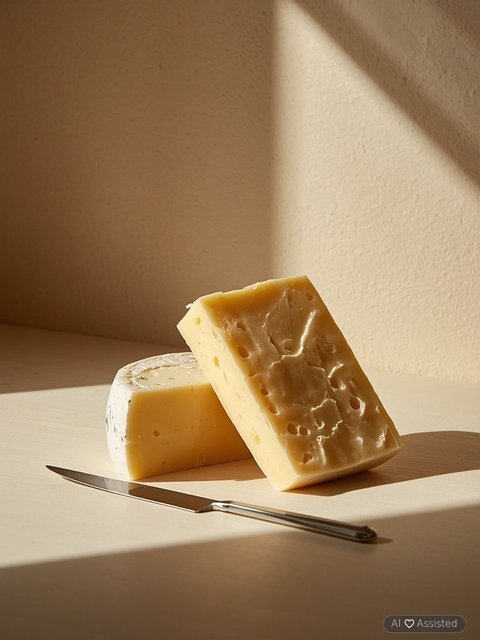
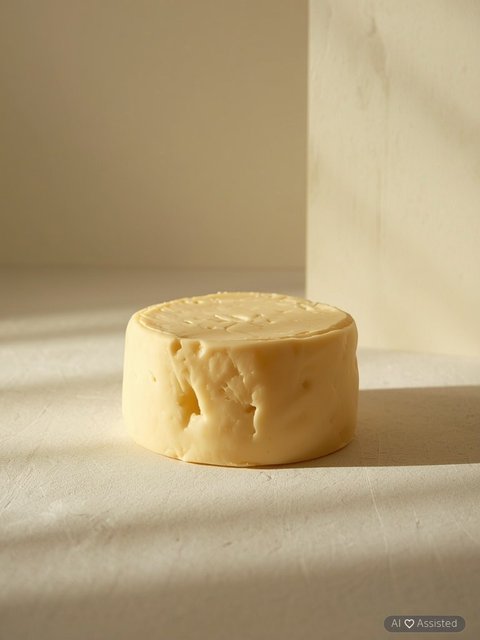
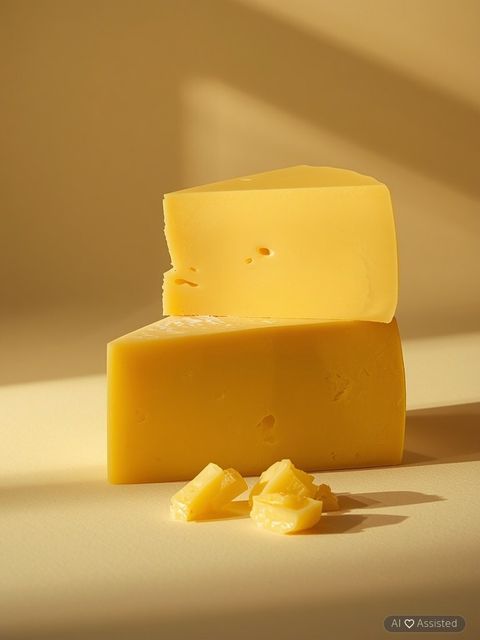
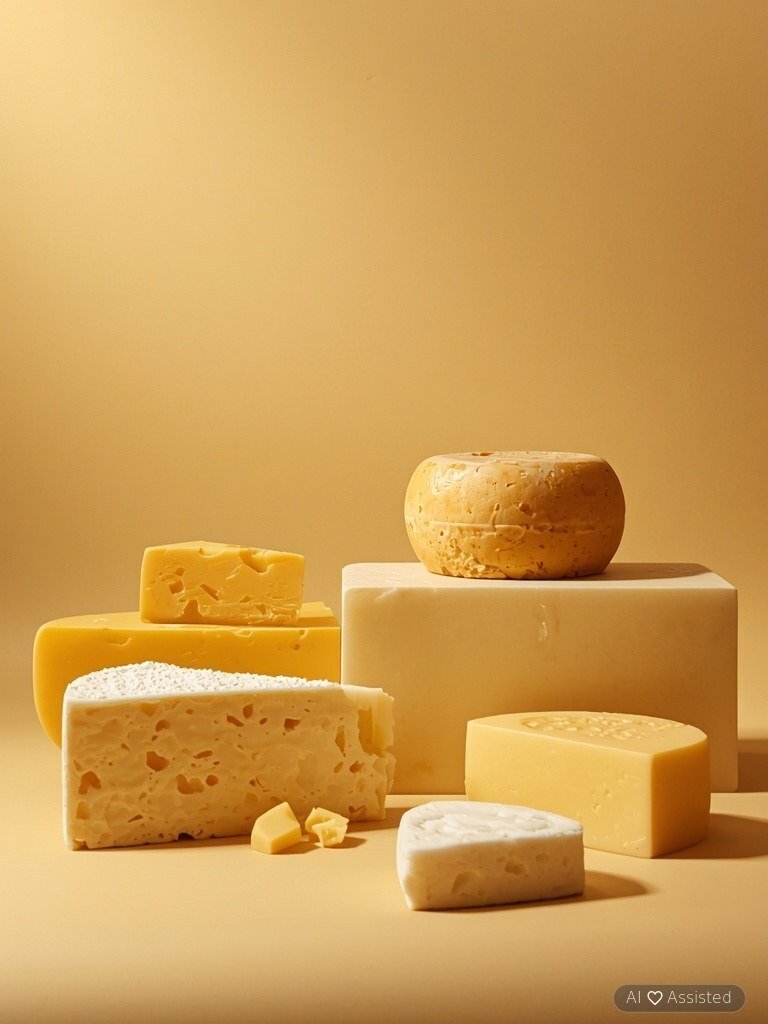
Cheese products constitute a category of food items derived from the coagulation of milk proteins and the emulsification of fats, resulting in the formation of a distinct curdled mass. Globally, nearly four thousand unique cheese varieties have been identified, whereas Poland produces a comparatively modest ninety distinct types. The classification of cheeses may be based on multiple criteria, including the type of milk utilized (cow, goat, or sheep), the duration of aging, the percentage of fat content, the geographic region of origin, and specific manufacturing techniques. An undeniable hallmark of cheeses is their pronounced flavor and aromatic profile, which can range from subtly nuanced to exceptionally robust. Furthermore, cheeses exhibit remarkable versatility in culinary applications—spanning from classic sandwich fillings and salads to intricate main courses and even sophisticated desserts. The foremost global leaders in cheese production include Italy, France, the Netherlands, and Switzerland—nations whose cheesemaking traditions span centuries and enjoy worldwide acclaim.
02 / 04

Comprehensive categorization and diversity of cheeses based on raw materials and production methods

The systematic classification of cheeses is grounded in multiple criteria, with the primary distinction being the type of milk utilized as the foundational raw material. Cheese production predominantly relies on milk sourced from three primary dairy animals: cows, sheep, and goats. Among cow's milk cheeses, the most renowned varieties include Gouda, celebrated for its mild flavor and supple texture; Ementaler, distinguished by its characteristic holes; pungent Gorgonzola with its blue veining; robust Cheddar; delicate Edam encased in red paraffin; the sharp, granular Parmesan; and an extensive range of quark cheeses with varying fat content. Sheep's milk, in contrast, serves as the basis for traditional regional cheeses such as the smoked Oscypek from the Podhale region, the bold Bryndza with its sharp taste profile, fresh Bundz with its subtle aroma, salty Halloumi ideal for grilling, and creamy Roquefort with its distinctive green-blue veins. Goat's milk, meanwhile, underpins specialty cheeses like the aromatic Cabrion, the French Tignard, classic Fromage de Chèvre with its soft consistency, and the fragrant Montrachet. The Polish market is dominated by cow's milk cheeses, a trend influenced by both culinary traditions and the widespread availability of the raw material. Despite their organoleptic and nutritional advantages, goat's milk cheeses remain a niche product, primarily due to higher production costs that are reflected in the retail price for consumers.
03 / 04

Nutritional composition and caloric value of diverse cheese varieties: a dietary and health-oriented analysis

A comprehensive evaluation of cheese nutritional profiles reveals that their composition varies significantly depending on the specific variety, yet they uniformly serve as an exceptional source of complete protein, diverse fatty acids, trace minerals, and fat-soluble vitamins. For instance, low-fat cottage cheese provides a modest 70 kilocalories per 100 grams, whereas blue-veined cheeses may deliver up to 370 kilocalories in an equivalent serving. This variability extends to fat content as well: fresh cheeses contain substantially fewer saturated fatty acids compared to aged varieties. Notably, rennet-coagulated cheeses exhibit elevated zinc concentrations—a mineral that enhances circulation, supports skin and hair health, and accelerates metabolic processes. Within the framework of low-calorie dietary regimens, the consumption of non-fat or reduced-fat fresh cheeses is advised due to their minimal energy density. Individuals with lactose intolerance, by contrast, should opt for hard cheeses, which—unlike their fresh counterparts—contain only negligible amounts of lactose. Aged cheeses represent a rich source of calcium and phosphorus, rendering them particularly beneficial for those managing osteoporosis or rickets, though their high sodium content necessitates moderation among hypertensive patients. All matured cheese varieties abound in fat-soluble vitamins and milk-derived minerals but simultaneously contain significant quantities of saturated fats, the intake of which should be monitored. Fresh cheeses, characterized by higher water content, consequently exhibit reduced levels of minerals, vitamins, fat, and calories. Importantly, all cheese types serve as an abundant source of tyrosine—an amino acid that favorably influences mood elevation, energy levels, stress resilience, and appetite suppression.
04 / 04

The production of cheese

Certain cultures of bacteria added to milk produce CO2, resulting in holes in the cheese. Further stages of production are different depending on the type of cheese produced. The next stage in the production of cheese is pasteurization, followed by the addition of bacteria characteristic of the cheese, which are used to process lactose into lactic acid. Then the bacteria are crushed into cereal grains, and the cereal is extracted from the seeds, which is the result of the fermentation process.
Meal Plan

Want to apply these guidelines in your daily diet?

Our smart diet generator creates a tailored meal plan in 3 minutes based on the recommendations in this article.

Isabella Taylor
Scientifically reviewed by a clinical dietitian • 24.09.2026

Isabella Taylor

Diets Premium Expert

Diets Premium team expert. Specializes in nutrition plans, strength sports, and training plans.

USDA FoodData Central EFSA PubMed Clinical Guidelines
Loading
Recommended articles in this category

Related Articles

Discover similar publications and expert insights.

White cheese - characteristics, nutritional value, and types, recipes
Dairy-Based
White cheese - characteristics, nutritional value, and types, recipes
⏱ 4 min czytania 📚 Dairy-Based
#Desserts #Cheese
Protein-Rich Treasure: Parmigiano Reggiano – Tradition, Maturation Process, and Nutritional Value in the Diet
Food & Ingredients
Protein-Rich Treasure: Parmigiano Reggiano – Tradition, Maturation Process, and Nutritional Value in the Diet
⏱ 3 min czytania 📚 Food & Ingredients
#Nutritional Content #Nutritional Value
Dried tomatoes – properties, nutritional value, and culinary use
Health Benefits
Dried tomatoes – properties, nutritional value, and culinary use
⏱ 3 min czytania
#Health Benefits #Dried Tomatoes
Evening primrose seed oil – GLA composition, physiological benefits, and clinical applications
Health Benefits
Evening primrose seed oil – GLA composition, physiological benefits, and clinical applications
⏱ 3 min czytania
#Health Benefits #Seeds
Low-fat curd cheese
Dairy-Based
Low-fat curd cheese
⏱ 3 min czytania 📚 Dairy-Based
#Protein #Quark
Yellow cheese types, ingredients... is it truly known how to properly produce yellow cheese? Is yellow cheese health-promoting?
Nutritional Value
Yellow cheese types, ingredients... is it truly known how to properly produce yellow cheese? Is yellow cheese health-promoting?
⏱ 17 min czytania
#Nutritional Value #Cheese
Manufacture and attributes of dried vegetables and fruits - examination of benefits and drawbacks
Food Science
Manufacture and attributes of dried vegetables and fruits - examination of benefits and drawbacks
⏱ 6 min czytania 📚 Food Science
#Vegetable #Fruit
How to identify premium-quality minced meat: A practical guide for discerning consumers
Meat Science
How to identify premium-quality minced meat: A practical guide for discerning consumers
⏱ 3 min czytania 📚 Meat Science
#Traditional Recipes #Nutritional Value
Evidence-Based Food Selection Criteria: Nutrition Density, Quality Labels, and Additive Awareness
Culinary Preparation
Evidence-Based Food Selection Criteria: Nutrition Density, Quality Labels, and Additive Awareness
⏱ 5 min czytania
#Culinary Preparation #Metabolic Efficiency
Crispiness versus tradition in bread: which option excels in health and sensory terms?
Food & Ingredients
Crispiness versus tradition in bread: which option excels in health and sensory terms?
⏱ 4 min czytania 📚 Food & Ingredients
#Nutritional Value Of Food #Nutritional Value
Lentil - application, benefits, nutritional value and impact on weight reduction
Nutritional Content
Lentil - application, benefits, nutritional value and impact on weight reduction
⏱ 4 min czytania
#Nutritional Content #Nutritional Value
Durian: Properties, Nutritional Value, and Uses of the Unusual Fruit
Nutrition
Durian: Properties, Nutritional Value, and Uses of the Unusual Fruit
⏱ 4 min czytania 📚 Nutrition
#Nutritional Value #Fruit
Pumpkin – Nutritional Value and Health Benefits
Nutrition
Pumpkin – Nutritional Value and Health Benefits
⏱ 3 min czytania 📚 Nutrition
#Health Benefits #Nutritional Value
Kohlrabi – Health Benefits, Nutritional Value, and Delicious Recipes
Nutritional Composition
Kohlrabi – Health Benefits, Nutritional Value, and Delicious Recipes
⏱ 4 min czytania
#Nutritional Composition #Nutritional Properties
Kiwi – Nutritional Value, Kiwi and Diabetes, Weight Loss. Is Kiwi Healthy?
Immune System
Kiwi – Nutritional Value, Kiwi and Diabetes, Weight Loss. Is Kiwi Healthy?
⏱ 5 min czytania
#Immune System #Nutritional Content
Coconut – Properties, Nutritional Value, and Uses
Nutritional Content
Coconut – Properties, Nutritional Value, and Uses
⏱ 5 min czytania
#Nutritional Content #Nutritional Value
Radish Seeds – Nutritional Value, Benefits, and Cultivation
Vitamins And Minerals
Radish Seeds – Nutritional Value, Benefits, and Cultivation
⏱ 4 min czytania
#Vitamins And Minerals #Nutritional Content
Pineapple: Properties, Nutritional Value, and Unknown Mysteries
Nutritional Content
Pineapple: Properties, Nutritional Value, and Unknown Mysteries
⏱ 4 min czytania
#Nutritional Content #Nutritional Value
Barley Groats with Husks: Characteristics, Nutritional Value, Preparation and Recipes
Nutritional Content
Barley Groats with Husks: Characteristics, Nutritional Value, Preparation and Recipes
⏱ 5 min czytania
#Nutritional Content #Nutritional Value
Preparation of Broth and Its Properties and Nutritional Value. Broth for the Common Cold
Nutritional Value
Preparation of Broth and Its Properties and Nutritional Value. Broth for the Common Cold
⏱ 6 min czytania
#Nutritional Value #Soup
Dark vs Truly Whole-Grain Bread: Caramel Coloring Deceptions, Flour Types, Sourdough, and Contraindications
Essential Minerals
Dark vs Truly Whole-Grain Bread: Caramel Coloring Deceptions, Flour Types, Sourdough, and Contraindications
⏱ 3 min czytania
#Essential Minerals #Digestive Health
Pork – Nutritional Value, Health Impact, and Evidence-Based Facts
Meat-Based Recipes (Pork/Beef/Poultry)
Pork – Nutritional Value, Health Impact, and Evidence-Based Facts
⏱ 3 min czytania 📚 Meat-based Recipes (pork/beef/poultry)
#Red Meat #Nutritional Value
Soy – properties, nutritional value, application, and potential adverse effects
Nutritional Properties
Soy – properties, nutritional value, application, and potential adverse effects
⏱ 6 min czytania
#Nutritional Properties #Nutritional Content
Salsify: Nutritional Value, Properties, and Uses
Nutritional Content
Salsify: Nutritional Value, Properties, and Uses
⏱ 3 min czytania
#Nutritional Content #Nutritional Value
Tuna - attributes, nutritional value, preparation methods
Seafood
Tuna - attributes, nutritional value, preparation methods
⏱ 3 min czytania 📚 Seafood
#Fish #Tuna
Coconut kernel oil: adipose tissue reduction effects and culinary applications
Nutritional Value
Coconut kernel oil: adipose tissue reduction effects and culinary applications
⏱ 6 min czytania
#Nutritional Value #Adipose Tissue
Sheep’s Milk Cheeses: Nutritional Architecture, Health Benefits, Bioactive Peptides, and Digestive Tolerance
Fat-Soluble Vitamins
Sheep’s Milk Cheeses: Nutritional Architecture, Health Benefits, Bioactive Peptides, and Digestive Tolerance
⏱ 3 min czytania
#Fat-soluble Vitamins #Bioactive Compounds
Dried and Vinegar-Pickled Mushrooms. Mushroom Recipes. Nutritional Value of Mushrooms.
Healthy Recipes
Dried and Vinegar-Pickled Mushrooms. Mushroom Recipes. Nutritional Value of Mushrooms.
⏱ 4 min czytania
#Healthy Recipes #Nutritional Value Of Mushrooms
Does freezing affect the nutritional value of fruits? How to properly thaw them?
Nutritional Value Of Fruits
Does freezing affect the nutritional value of fruits? How to properly thaw them?
⏱ 5 min czytania
#Nutritional Value Of Fruits #Nutritional Content
Healthy Recipes for Every Meal of the Day: Balanced Breakfasts, Lunches, Dinners, and Snacks
Lunch
Healthy Recipes for Every Meal of the Day: Balanced Breakfasts, Lunches, Dinners, and Snacks
⏱ 4 min czytania
#Lunch #Cheese

Share