Calcium sources in dairy-free diets

1 photo
794
Smart Voice
AI
0:00
0:00
Listen to the article content live
Table of Contents 2
Milk and dairy products function as the primary and best source of calcium. These products not only possess substantial amounts of calcium, but they are also easily absorbable by the human body. The good availability of calcium is attributed to the presence of vitamin D in dairy, low phosphorus content, and the presence of lactose. As a result, calcium is of paramount importance during the process of bone formation in children.
01 / 02
When to adopt a dairy-free diet
There are circumstances where milk must be excluded from the diet for health reasons. An elimination diet is used to treat and alleviate symptoms of protein intolerance, milk protein allergy, and lactose intolerance. A cow's milk protein allergy can be triggered by various protein fractions, with the most common allergens being lactalbumin (denatured during cooking), lactoglobulin, casein, and glycoproteins. Lactose intolerance results from a deficiency or absence of the enzyme lactase, which breaks down lactose into glucose and galactose. Symptoms include diarrhea, bloating, and abdominal pain. Prolonged disturbances can lead to nutrient deficiencies, particularly dangerous in children, where growth delays and malnutrition may occur. In cases of milk protein allergy or lactose intolerance, not only cow's milk but also sheep's and goat's milk should be avoided, as they may cause similar reactions. A dairy-free diet requires avoiding milk in all forms (fresh, pasteurized, sterilized, UHT), flavored milk, powdered milk, condensed milk, acidophilus milk, fermented milk, and dairy products such as whey, kefir, yogurt, buttermilk, cream, fresh cheese, soft cheese, mold-ripened cheese, homogenized cheese, and fresh cheese (e.g., fromage). Additionally, products containing milk, such as cheese spreads, baked goods, butter, spreads, ice cream, frozen desserts, puddings, cakes with cream fillings, milk chocolate, milk candies, milk-based sauces, béchamel sauce, hollandaise, ready-made dishes with cheese (e.g., pizza, casseroles, lasagna), cheese pierogi, potato pancakes, pancakes, croquettes, blintzes, cocoa and cappuccino drinks, and milk cocktails, should be avoided. Fermented products (highlighted) are often tolerated by those with lactose intolerance. Lactose or milk proteins may also be present in sports supplements or medications, so affected individuals should carefully check the ingredients of medicines.
02 / 02
Calcium sources in a dairy-free diet
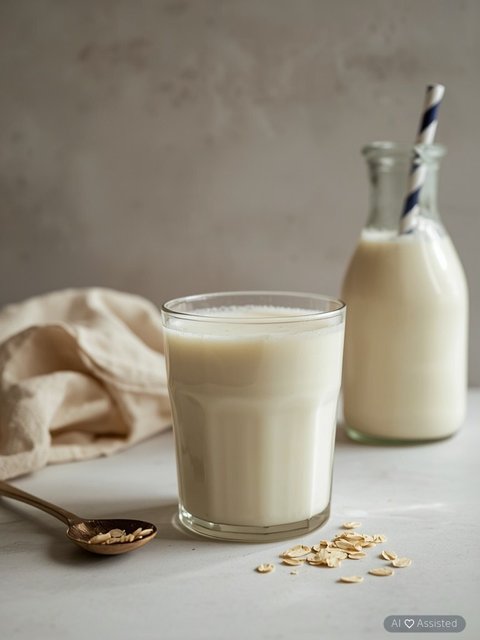
In a dairy-free diet, it is crucial to ensure adequate calcium intake, as deficiencies may occur. Calcium is not only a building block for bone tissue but also plays a vital role in blood clotting, enzyme activation, and nerve impulse conduction. As an essential nutrient, it must be obtained from non-dairy sources: for infants and children through milk substitutes, and for older children and adults by incorporating products such as poppy seeds, sesame seeds, tahini, legumes, almonds, and hazelnuts into the diet. However, some of these products contain compounds that inhibit calcium absorption, such as phytic acid, oxalic acid, and dietary fiber. These inhibitory effects can be partially mitigated through proper food preparation, such as soaking nuts and legumes or grinding poppy and sesame seeds. Below is a table showing the calcium content in selected food products.
PRODUCT | CALCIUM CONTENT (MG/100G) | CALCIUM CONTENT PER SERVING (MG)
DAIRY PRODUCTS:
Milk (3.2% fat) | 118 | 236 (glass 200ml)
Natural yogurt (2% fat) | 170 | 255 (container 150g)
Cottage cheese | 96 | 48 (portion 50g)
Gouda cheese | 806 | 242 (portion 30g)
OTHER CALCIUM SOURCES:
Poppy seeds | 1266
Almonds (shelled) | 239 | 71.7 (handful 30g)
Eggs | 47 | 47 (2 pieces 100g)
Sardines in oil | 330 | 247.5 (portion 75g)
Sesame seeds | 114 | 15 (tablespoon 13g)
Parsley | 193 | 35 (3 teaspoons 18g)
Broccoli | 48 | 48 (portion 100g)
Kale | 157 | 31.5 (handful 20g)
Dried figs | 203 | 71 (5 pieces 35g)
Dried apricots | 139 | 42 (5 pieces 30g)
If for any reason dairy products cannot or should not be consumed, the diet should be supplemented with calcium-rich foods. It is advisable to include calcium-rich plant-based products and industrially fortified foods such as tofu and calcium-fortified soy milk in the meal plan.
Meal Plan
Want to apply these guidelines in your daily diet?
Our smart diet generator creates a tailored meal plan in 3 minutes based on the recommendations in this article.

Scientifically reviewed by a clinical dietitian
• 25.09.2026
mgr Emilia Szymańska
Diets Premium Expert
Diets Premium team expert. Specializes in nutrition plans, strength sports, and training plans.
USDA FoodData Central
EFSA
PubMed Clinical Guidelines