Milk and dairy products and respiratory infections – fact or myth

Table of Contents 4
Medical & Editorial Disclaimer (§3 Terms): This article is for informational and educational purposes only, does not constitute medical advice, diagnosis, or treatment, and is used at your own risk. Consult a qualified physician for medical conditions.
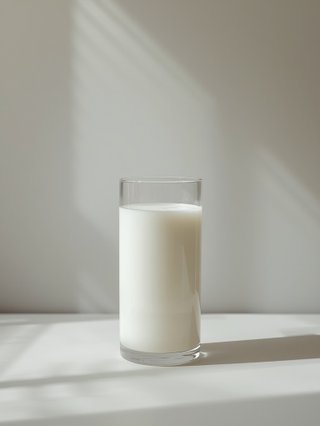
Physiological analysis reveals that milk provides essential proteins, vitamins, and bioactive compounds that support immune defense mechanisms. While thermal processing may alter certain properties, the nutritional value remains significant. The perception of increased mucus secretion is often a subjective sensation rather than a clinical reality, as dairy components do not trigger inflammatory responses in the respiratory tract. Instead, these nutrients contribute to the overall resilience of the body against pathogens.
For a balanced lifestyle, dairy products can be a valuable addition to the daily diet, provided there are no diagnosed intolerances or allergies. Consumers are encouraged to incorporate a variety of fermented options like yogurt or kefir to support gut health and immunity. If respiratory symptoms persist, it is essential to consult a healthcare professional rather than making dietary changes based on anecdotal evidence or common myths.
This article is professional premium content (PRO) provided in its entirety.
Dairy constituents: Nutritional and bioactive properties of milk-derived components
Respiratory tract infections and dairy consumption: immunological protective mechanisms and inflammatory responses
The scientific examination of dairy consumption and perceived excessive mucus secretion in the respiratory tract: debunking common misconceptions
Comprehensive examination of the immunological impacts of milk and dairy derivatives on human physiology alongside the debunking of prevalent misconceptions regarding their association with mucus secretion
Want to apply these guidelines in your daily diet?
Our smart diet generator creates a tailored meal plan in 3 minutes based on the recommendations in this article.

Bordoni A. et al., Dairy products and inflammation: A review of the clinical evidence, „Critical Reviews in Food Science and Nutrition” 2017, 57(12), 2497–2525. Fardet A., Rock E., In vitro and in vivo antioxidant potential of milks, yoghurts, fermented milks and cheeses: a narrative review of evidence, „Nutrition Research Reviews” 2018, 31(1), 52–70. Khare A., Smriti G., Cholesterol-Lowering Effects of Lactobacillus Species, „Current Microbiology” 2020, 77(4), 638–644. Krauze A., Alergia na białko mleka krowiego–postacie kliniczne, „Alergia Astma Immunologia” 2015, 20(1), 12–16. Michael D.R. et al., A randomised controlled study shows supplementation of overweight and obese adults with lactobacilli and bifidobacteria reduces bodyweight and improves well-being, „Scientific Reports” 2020, 10(1), 4183. Perdijk O. et al., Cow’s Milk and Immune Function in the Respiratory Tract: Potential Mechanisms, „Frontiers in Immunology” 2018, 9, 143. Radkowska I., Identyfikacja i właściwości prozdrowotne mleka zawierającego beta-kazeinę typu A2, „Roczniki Naukowe Zootechniki” 2020, 47(2), 165–177. Saad K. et al., Effects of bovine colostrum on recurrent respiratory tract infections and diarrhea in children, „Medicine” 2016, 95(37), 4560. Shearer Z., Jones S.M., Consumption of Unprocessed Cow’s Milk Protects Infants From Common Respiratory Infections, „Pediatrics” 2015, 136(sup 3), 226–227. Timby N. et al., Infections in Infants Fed Formula Supplemented With Bovine Milk Fat Globule Membranes, „Journal of Pediatric Gastroenterology and Nutrition” 2015, 60(3), 384–389. Wüthrich B. et al., Milk consumption does not lead to mucus production or occurrence of asthma, „Journal of the American College of Nutrition” 2005, 24(sup 6), 547–555.
Diets Premium Expert
Diets Premium team expert. Specializes in nutrition plans, strength sports, and training plans.