
1 / 1
1 zdjęcie
452
Sleep and Appetite Regulation
Appetite Regulation
Rest
Julia Wójcik
Author
2026-09-25
Date
8 min. read
article.read_time
9
Chapters
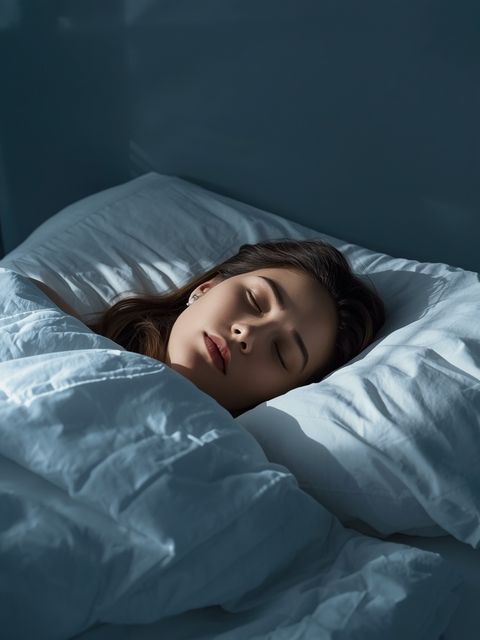
Until recently, we did not appreciate the true significance of sleep. A shortened night's rest was associated with diligence, activity, and success. However, scientific studies indicate that sleep deprivation can have a detrimental impact on our health. When we are rested, not only does our brain operate more effectively, but we are also able to better regulate our eating habits. It is easier to control our cravings, choose healthier food, and maintain a suitable body weight.
Chroniczne niedobory snu – współczesna epidemia wyczerpania
Współczesne tempo życia, nieustanny napływ informacji oraz kumulacja obowiązków zawodowych i domowych stanowią charakterystyczne wyzwania XXI wieku. Dla wielu osób skrócony sen staje się nieuniknioną koniecznością – w ciągu zaledwie 24 godzin należy zmieścić coraz większą liczbę zadań, co prowadzi do systematycznego ograniczenia czasu przeznaczonego na nocny odpoczynek lub pogorszenia jego jakości. Zjawisko niedosypiania nie dotyka wyłącznie osób dorosłych, lecz również młodzież szkolną oraz dzieci. Jak wynika z raportu *„Jak śpią Polacy?”* opublikowanego w 2015 roku na podstawie badań przeprowadzonych wśród ponad tysiąca dorosłych Polaków, problemy ze snem mogą dotyczyć nawet **trzech czwartych społeczeństwa**. Choć **53% respondentów** deklarowało, że ich czas snu mieści się w zalecanych granicach (7–8 godzin), to **30% przyznawało**, iż śpi jedynie 5–6 godzin na dobę, a **75% ankietowanych** zgłaszało różnorodne dolegliwości związane z jakością snu. Do najczęściej wymienianych należały: **przewlekłe zmęczenie i uczucie niewyspania po przebudzeniu, nadmierna senność w ciągu dnia, trudności z zasypianiem, częste wybudzanie się w nocy oraz problemy z ponownym zaśnięciem**. Przyczyny tych zaburzeń są złożone – badani wskazywali zarówno na **czynniki zdrowotne**, jak i **szkodliwe nawyki**, takie jak: **przenoszenie pracy zawodowej do domu i wykonywanie jej późno w nocy, chroniczny stres zawodowy, oglądanie telewizji, korzystanie z urządzeń elektronicznych (telefonów, tabletów) tuż przed snem czy spożywanie posiłków bezpośrednio przed położeniem się spać**. Dane z badań epidemiologicznych przeprowadzonych w Stanach Zjednoczonych sugerują, że **zaburzenia snu mogą dotyczyć nawet 30–40% populacji** (Dopheide, 2020), a problem ten systematycznie narasta z roku na rok. Szczególnie niepokojące są wyniki dotyczące **młodzieży w wieku szkolnym** – według badań Laheya (2014) **zaledwie 20% nastolatków** przestrzega zaleceń dotyczących optymalnej długości snu, czyli **9 godzin na dobę**
You have started reading a PRO article
You can preview the first chapter. To read the complete article and unlock all content, upgrade to a PRO account.
Tags