1 / 1
1 zdjęcie
2400
Is a Gluten-Free Diet Healthy or Merely Trendy?
Marine
Dietetics
Weight Management
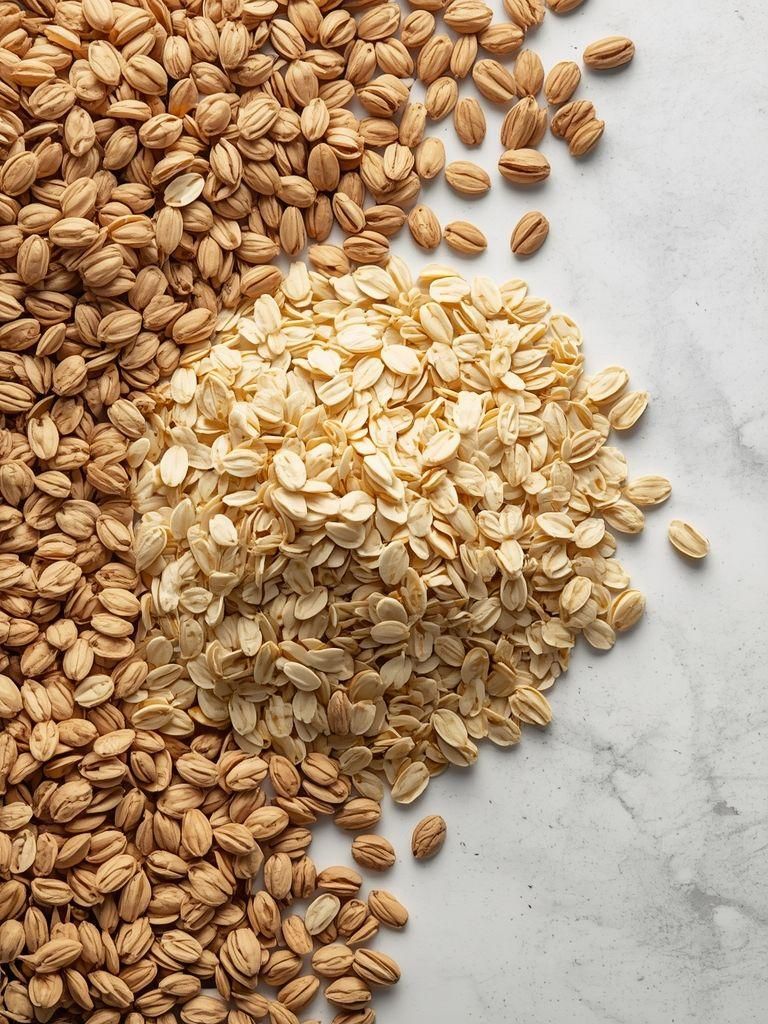
Gluten-free whole-grain options
Weight Loss
Anna Schmidt
Author
2026-03-24
Date
9 min. read
article.read_time
11
Chapters
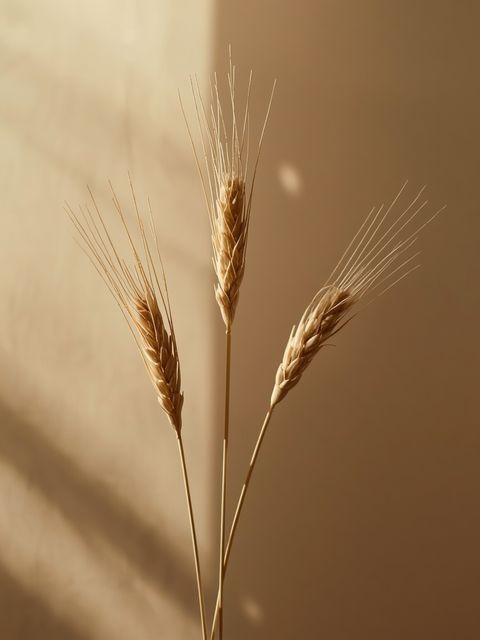
Gluten, a component of cereals, has gained significant popularity in recent years as a cause of many ailments. However, there are only a few cases where a gluten-free diet is justified, not just in celiac disease. Gluten is present in the seeds of wheat (gliadin), rye (hordein), and barley (secalin). It can also occur in oats, where it is often contaminated with other cereals. In Poland, certified oat products produced in Finland are available, which guarantee that they are gluten-free. Although gluten is not toxic, a gluten-free diet has become extremely popular. It has been attributed with weight loss and alleviation of various ailments. Is this true?
Gluten-free nutrition – when is it necessary?
Individuals suffering from celiac disease and gluten allergy should adhere to a gluten-free nutrition. The main difference between these two conditions lies in the mechanisms that cause the symptoms. In the case of gluten allergy, IgE antibodies are present, while in celiac disease, antibodies against endomysium and tissue transglutamine are present. Furthermore, in the case of celiac disease, intestinal villi atrophy is observed. It is important to note that the gluten-free nutrition should be adhered to for life by individuals with celiac disease. In the case of gluten allergy, the elimination of gluten does not have to be lifelong, but only for a certain period, after which attempts can be made to reintroduce gluten into the diet. There is also a controversial health unit that requires a specific diet – non-celiac gluten sensitivity.
You have started reading a PRO article
You can preview the first chapter. To read the complete article and unlock all content, upgrade to a PRO account.