1 / 1
1 zdjęcie
238
Mikrobiota und ihre Auswirkungen auf das Immunsystem und die allgemeine Gesundheit
Immunsystem
Balance
Felix Weber
Autor
2026-09-25
Datum
6 Min. Lesezeit
article.read_time
8
Kapitel
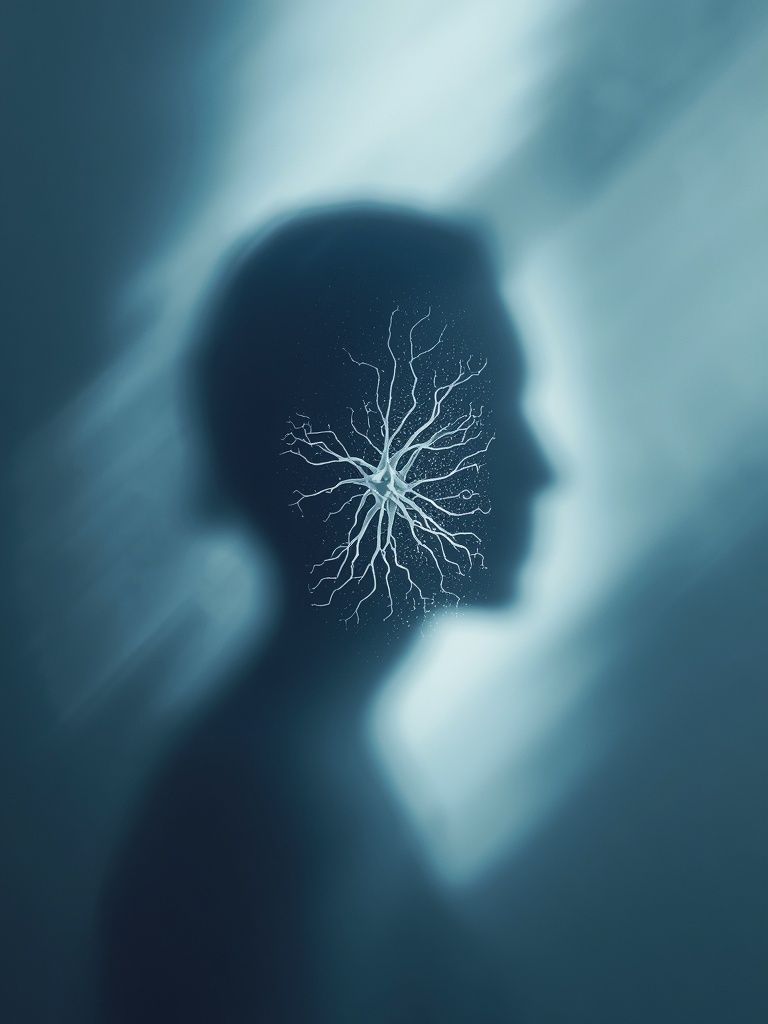
In den letzten Jahren hat das Mikrobiom eine außergewöhnlich beliebte und intensiv diskutierte Thematik dargestellt. Die Anfälligkeit des Körpers gegenüber seinen Einflüssen scheint von Jahr zu Jahr zuzunehmen, und Wissenschaftler entdecken ständig neue Abhängigkeiten. Es stellt sich heraus, dass das Mikrobiom einen erheblichen Einfluss auf die korrekte Funktionsweise des gesamten Körpers hat und Abweichungen in seinem Bereich mit einer Vielzahl von Störungen und Krankheiten in Verbindung gebracht werden können. Aus diesem Grund lohnt es sich, eine Analyse durchzuführen, wie das Mikrobiom auf das Immunsystem reagiert und welche Möglichkeiten bestehen, um seine richtige Balance zu gewährleisten.
The human microbiome: definition, biological functions, and implications for organismal health
The microbiome, also referred to as the microbiota, constitutes a diverse assemblage of microorganisms—including bacteria, viruses, fungi, archaea, and other microbes—that colonize the human body across multiple anatomical sites. Systematic investigations into its functions commenced in the early decades of the 20th century and remain an active and evolving field of scientific inquiry. While the gut microbiome has garnered the most research attention, these microbial communities also inhabit the skin, mucosal surfaces of the respiratory and digestive tracts, the oral cavity, lungs, and numerous other tissues and organs. It is critical to emphasize that the microbiome forms a highly intricate, dynamic ecosystem that exerts profound influence over a multitude of physiological processes. Its key functions include facilitating digestive processes, contributing to the maintenance of internal bodily equilibrium (homeostasis), shaping and modulating immune responses, providing defense against pathogenic invasions, participating in the biosynthesis of essential vitamins (such as vitamin K and certain B vitamins) and other biologically active compounds, regulating metabolic pathways, and exerting effects on neuroendocrine and psychoneuroimmunological functions. Preserving the balance of microbial composition (eubiosis) and its taxonomic diversity is therefore indispensable for optimal organismal health, whereas disruptions (dysbiosis) have been linked to the development of various metabolic, immunological, and even neurological disorders (Manos, 2022; additional studies corroborate these associations).
Sie haben begonnen, einen PRO-Artikel zu lesen
Sie können das erste Kapitel lesen. Um den gesamten Artikel zu lesen und alle Inhalte freizuschalten, wechseln Sie zum PRO-Konto.
Tags