
1 / 1
1 zdjęcie
407
Estragon – Anbau, Verwendung, gesundheitliche Eigenschaften
Ernährung
Ernährungswissenschaft
Grundnahrungsmittel
Kräuterhaltig
Kräuter
Sophia Williams
Autor
2026-09-25
Datum
5 Min. Lesezeit
article.read_time
4
Kapitel
Estragon ist eine Pflanze der Astro-Familie, die hauptsächlich in den zentralen und nördlichen Gebieten Russlands, Sibiriens und im westlichen Teil Nordamerikas vorkommt. Ein sehr aromatisches Gewürz mit Wurzengeruch, das zu vielen üblichen Kräutermischungen gehört, beispielsweise provenzalische Kräuter. Estragon wird oft als Estragonkraut, Draganka, Drache oder Narrenkraut bezeichnet. Viele von uns kennen dieses Gewürz als Grundnahrungsmittel in der Küche, aber ist es nur dort, wo es Anwendung findet? Es stellt sich heraus, dass jeder von uns Estragon sowohl in der Speisekammer als auch im Hausapotheke berücksichtigen sollte, da es erstaunliche gesundheitliche Eigenschaften aufweist.
Estragon: Eine detaillierte Übersicht
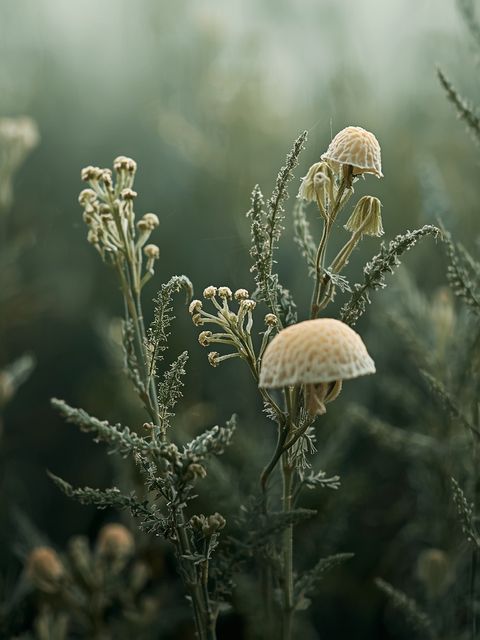
Estragon ist eine Pflanze mit einem festen, aufrechten Stängel, der bis zu 150 Zentimeter hoch wachsen kann. Sie kommt natürlich im Mittelmeerraum, Nordamerika und Zentralasien vor. In Europa und anderen Teilen der Welt wächst sie wild oder wird angebaut. Es gibt drei kultivierte Sorten: französische, russische und deutsche. Diese unterscheiden sich nicht nur in ihren morphologischen Merkmalen, sondern auch in der Zusammensetzung des ätherischen Öls, das für den Aroma und die gesundheitlichen Vorteile verantwortlich ist. An den Spitzen der Triebe befinden sich kleine Blüten in grünlichen, weißen oder gelblichen Tönen. Diese sind die Hauptquelle für wertvolle Heilsubstanzen. Die schmalen, spitz zulaufenden Blätter, die den Stängel umhüllen, werden als Gewürz verwendet. Obwohl sie etwas weniger ätherisches Öl enthalten als die Blüten, schätzen sie dennoch für ihren Geschmack und ihre gesundheitlichen Vorteile.
Estragon – einige Worte über den Anbau
Der Estragon gehört nicht zu den anspruchsvollsten Pflanzen in Bezug auf Anbaubedingungen. Er gedeiht gut auf weniger fruchtbaren Böden. Zudem ist er nicht empfindlich gegenüber niedrigen Temperaturen und zeigt eine relativ hohe Widerstandsfähigkeit gegen Winterschäden. Für ein effektives Wachstum und eine reiche Ernte sollte er jedoch einen unkrautfreien, tief gelockerten und gut besonnten Standort erhalten. Älteren Exemplaren dieser Pflanze kommt auch ein Rückschnitt außerhalb der Erntezeit zugute, da dieser das Wachstum neuer Triebe fördert. Die beste Aussaatzeit für Estragon ist der frühe Frühling, wobei die Anordnung der Setzlinge von der Größe der Anpflanzung abhängt. Die Ernte erfolgt im Sommer an trockenen, warmen und sonnigen Tagen, sobald sich die ersten Blüten zeigen, jedoch nicht später als im August. Es wird empfohlen, das geerntete Kraut in Leinentüten aufzubewahren.
Estragon: Anwendungsbereiche und Eigenschaften
Estragon ist eine vielseitige Pflanze, die sowohl in der Küche als auch in der Medizin Verwendung findet. Mit seinem würzigen Aroma und leicht bitteren Geschmack, der an Anis erinnert, kann er für Anfänger eine Herausforderung darstellen. Aufgrund seiner Intensität können bereits kleine Mengen den Geschmack eines Gerichts dominieren, weshalb er sparsam und vorsichtig eingesetzt werden sollte. Zudem kann zu langes Kochen mit Estragon zu unerwünschter Bitterkeit führen. Frische Blätter haben einen intensiveren Geschmack als getrocknete. Häufig wird Estragon in der französischen, spanischen, italienischen und deutschen Küche verwendet, wo er Salate, Saucen, Eierspeisen, Geflügel, Wild, Kalbfleisch, Schweinefleisch, Fisch, Meeresfrüchte und Suppen verfeinert. Er ist auch ein Bestandteil von Estragonessig und wird zum Einlegen von Gurken und Kohl verwendet. In der Medizin nutzt man blühende Estragonblüten sowie das ätherische Öl, das Methylchavicol, Estragol, p-Cymen, Limonen und Felandren enthält. Zudem enthält das Kraut Cumarine, Flavonoide, Bitterstoffe, Karotinoide und Gerbstoffe, was ihm eine breite Palette an gesundheitlichen Wirkungen verleiht.
Estragon – gesundheitliche Vorteile
Estragon wird zahlreiche gesundheitliche Vorteile zugeschrieben. Seine Anwendung wird insbesondere bei Verdauungsproblemen empfohlen. Diese Pflanze fördert die Gallenproduktion und verbessert deren Abfluss in den Zwölffingerdarm. Zudem lindert sie Krämpfe der glatten Muskeln im Verdauungstrakt, der Gallenwege und der Harnwege. Daher eignet er sich hervorragend zur Behandlung von entzündlichen Erkrankungen des Verdauungssystems, die mit Bauchschmerzen oder Blähungen einhergehen, sowie bei Gallensaftmangel und Atonie der Gallenwege. Darüber hinaus kann Estragon Personen helfen, die unter Appetitlosigkeit, Völlegefühl und Sättigung leiden, da er die Magensaftproduktion erhöht und die Verdauung verbessert. Besonders empfohlen wird er für Kinder und ältere Menschen. Zudem weist Estragonöl antibakterielle, antimykotische und antioxidative Eigenschaften auf. Einige Studien deuten darauf hin, dass Estragon den Blutzuckerspiegel regulieren und so Hyperglykämie vorbeugen kann. Andere Untersuchungen legen nahe, dass er möglicherweise antikonvulsive Wirkungen besitzt, was auf den geringen Gehalt an benzodiazepinähnlichen Substanzen zurückzuführen sein könnte – einer Gruppe von Medikamenten mit beruhigenden, schlaffördernden, muskelentspannenden, angstlösenden und antikonvulsiven Eigenschaften. Allerdings bedarf dieser Bereich weiterer Forschung, um belastbare Beweise zu liefern. Die Europäer lernten Estragon bereits im Mittelalter während der Kriege mit arabischen Ländern kennen. Damals wurden seine gesundheitlichen Vorteile hoch geschätzt. Man glaubte, dass Estragon vor Schlangen, bösen Zaubern und Drachen schützt. Natürlich ist es schwierig, diese Annahmen wissenschaftlich zu bestätigen. Dank des Fortschritts der Wissenschaft wissen wir heute, dass die Wirkung von Estragon auf seine chemische Zusammensetzung zurückzuführen ist und nicht auf Magie. Es handelt sich um eine Pflanze, die man in die tägliche Ernährung einbeziehen sollte, um die physiologischen Prozesse des Körpers zu unterstützen.