
1 / 1
1 zdjęcie
393
Eisenmangel – typische Anzeichen, langfristige Folgen und ernährungsphysiologische Grundsätze zur Behebung des Defizits im Körper
Ernährungsrichtlinien
Eisenmangel
Leber
Eiweiß
Eisen
Tomasz Jankowski
Autor
2026-09-24
Datum
3 Min. Lesezeit
article.read_time
4
Kapitel
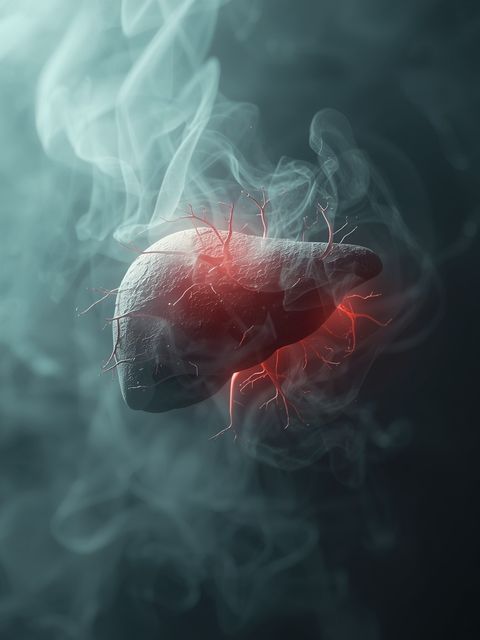
Eisen zählt zu den essenziellen Spurenelementen und übernimmt eine zentrale Funktion bei der Sauerstoffverteilung im menschlichen Kreislaufsystem. Die höchste Konzentration dieses Elements findet sich im Hämoglobin – dem Proteinkomplex, der für den Gasttransport in den roten Blutkörperchen zuständig ist – sowie im Myoglobin, das Sauerstoff in der Muskulatur speichert. Darüber hinaus ist Eisen Bestandteil entscheidender Enzyme, die sowohl die zelluläre Atmung katalysieren als auch reaktive Sauerstoffspezies, darunter das schädliche Wasserstoffperoxid, abbauen. Die verbleibenden Reserven dieses Mikronährstoffs werden in Organen wie Leber, Milz und Nieren, im Blutplasma sowie im Knochenmark eingelagert, von wo aus sie bei erhöhtem Bedarf des Organismus mobilisiert werden können.
Iron deficiency is a symptom
Iron deficiency occurs most frequently during postpartum, menstrual, after prolonged exertion, recovery, as well as during puberty and old age. Inadequate lifestyle, stress, restrictive and unbalanced diets can affect low intake and absorption of iron.
The effects of iron deficiency
While there is a lack of iron in the body, overall physical and mental fitness decreases, the body is more prone to infections or heart rhythm disorders. However, the most dangerous effect caused by a deficiency of this microelement is anemia. This disease is primarily manifested by weakness, pale skin, drowsiness, dizziness. At a more advanced stage, inflammation of the mucous membrane and corners of the mouth, dryness and pelvic fatigue, hair and nail fractures.
How can you make up for the iron deficiency?
It is also worth considering supplementing with iron, especially during pregnancy, breastfeeding, and periods of heavy menstruation.
Iron deficiency in the diet
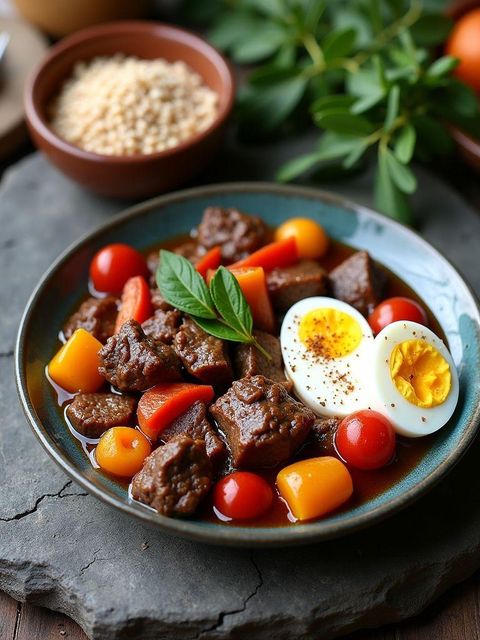
The first is found in animal products, i.e. liver, heart, kidneys, meat, meat processing with blood, poultry and fish. The second is in egg yolks, whole grains, green vegetables (including spinach, pepper, parsley), botany, turmeric, dried vegetables, and fruit.