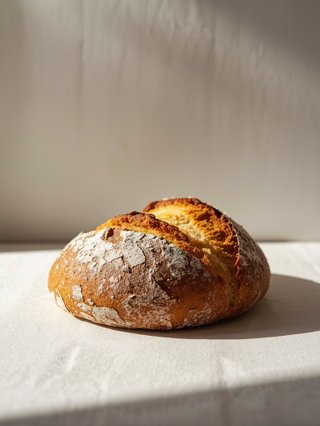
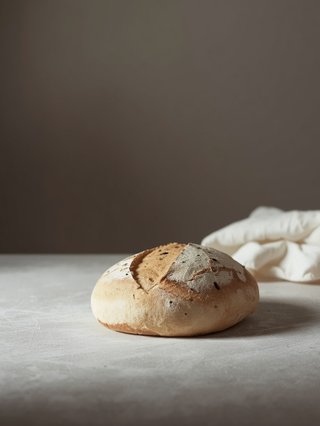
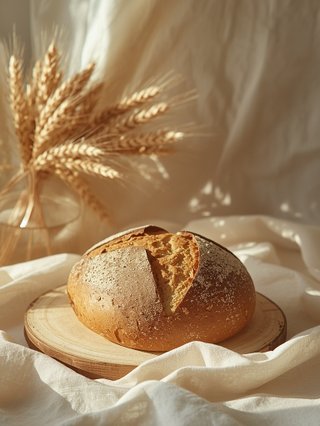
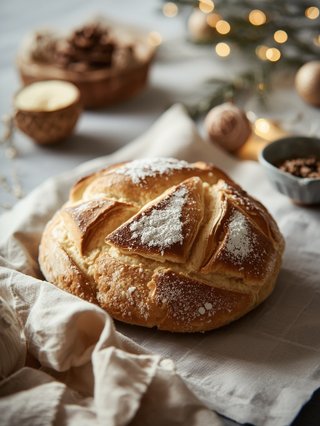
Why the appearance and smell of bread can be misleading – key criteria for assessing bread quality
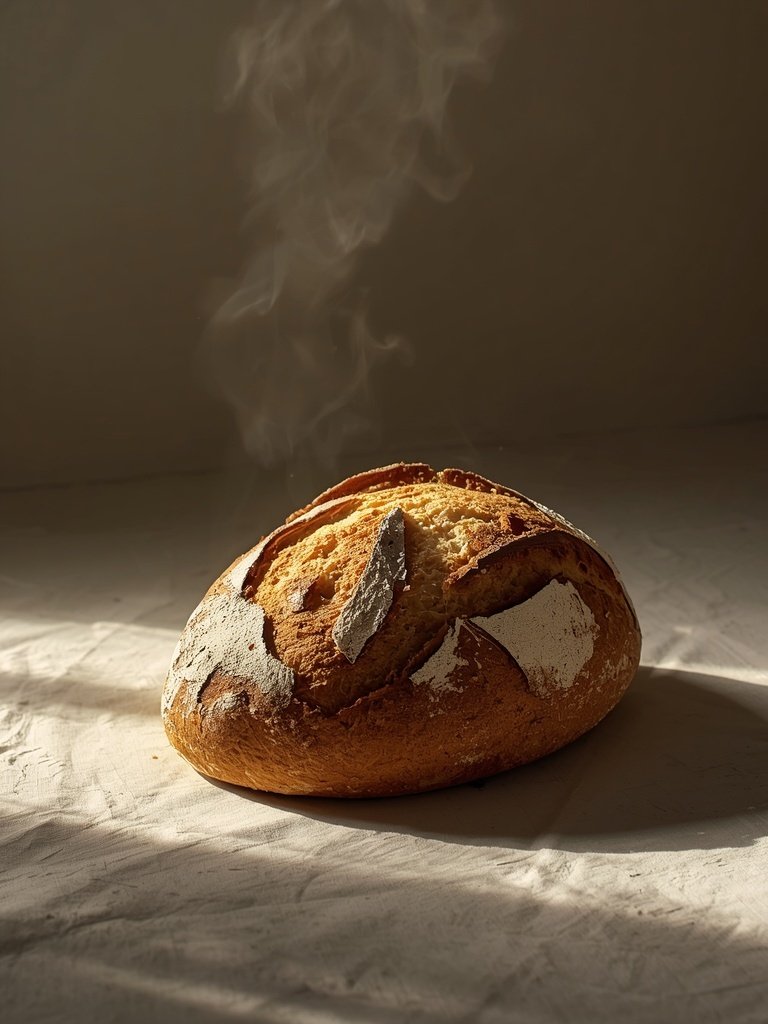
Table of Contents 3
Medical & Editorial Disclaimer (§3 Terms): This article is for informational and educational purposes only, does not constitute medical advice, diagnosis, or treatment, and is used at your own risk. Consult a qualified physician for medical conditions.
The core physiological benefit of authentic sourdough lies in the complex biochemical transformation triggered by lactic acid bacteria. This extended fermentation process neutralizes phytic acid, an anti-nutrient that otherwise prevents the absorption of essential minerals like calcium and magnesium. Furthermore, the natural breakdown of immunogenic peptides and specific carbohydrates during fermentation makes the final product much easier on the gastrointestinal tract compared to rapid-rise industrial breads that rely on exogenous enzymes and chemical conditioners.
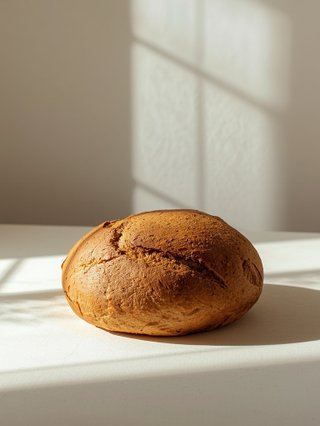
Practical health optimization starts with a rigorous audit of ingredient labels, favoring loaves made strictly from flour, water, salt, and a natural starter. Consumers should look for structural density and significant weight, as authentic rye bread is naturally compact rather than airy. By choosing traditionally fermented options and avoiding products containing caramel color or added sugars, you ensure better mineral bioavailability and support a resilient gut environment through superior nutritional quality.
A steaming, fragrant loaf of warm bread in modern retail stores frequently masquerades as a wholesome nutritional staple. In reality, industrial baking relies on par-baked frozen dough, exogenous fungal enzymes, emulsifiers, and darkening agents (caramel color, roasted malt extracts). This critical analysis reveals how to authenticate genuine long-fermented whole sourdough rye from industrial mimics, highlighting gut health benefits.
The Dark Bread Fallacy: Caramel Color, Malt Extracts, and Par-Baked Frozen Dough
The public perception equating dark crumb color with whole-grain virtue is systematically exploited by industrial manufacturers:
- Coloring refined wheat: Cheap refined white flour is artificially darkened using ammonia caramel (E150), roasted malt syrups, or molasses, masquerading as whole-grain rye while retaining an elevated glycemic index and negligible fiber.
- The 'Bake-Off' paradigm: Supermarket warm loaves represent par-baked dough frozen for months in distribution centers, finished locally using synthetic aroma sprays that replicate artisanal baking scents.
- Chemical dough conditioners: Fast 60-minute yeast fermentation necessitates synthetic emulsifiers (DATEM, E472e), fungal amylases, and chemical oxidizers.
The Biochemistry of Natural Sourdough: Phytate Degradation and FODMAP Hydrolysis
Authentic sourdough fermentation relies on a symbiotic consortium of wild lactic acid bacteria (Lactobacillus) and yeasts across 12–24 hours:
- Phytase activation and dephytinization: Lactic acidification activates endogenous phytases, hydrolyzing mineral-chelating phytic acid, thus liberating bound iron, zinc, magnesium, and calcium for human absorption.
- Proteolysis of gluten and FODMAPs: Extended fermentation degrades immunogenic proline-rich gluten peptides and hydrolyzes short-chain fructan oligosaccharides, rendering genuine sourdough tolerated by sensitive gut cohorts.
- Natural preservation: Biological organic acids (lactic, acetic) naturally inhibit fungal spoilage without synthetic propionates.
How to Identify Authentic Bread: Label Auditing, Weight, and Crumb Density
Discerning consumers evaluate quality through four decisive clinical parameters:
- Minimalist ingredients list: Authentic whole sourdough consists strictly of flour (e.g., whole rye flour type 2000), water, natural sourdough starter, and salt. Free of added bakers' yeast, sugar, caramel, fats, and chemical conditioning agents.
- Specific loaf gravity: True sourdough rye is structurally dense and heavy; a compact loaf weighs 600–800 g, whereas chemically aerated industrial loaves of identical volume weigh merely 300 g.
- Extended freshness: Traditional sourdough rye stays moist and fresh for 7 to 10 days, desiccating gradually without molding.
Want to apply these guidelines in your daily diet?
Our smart diet generator creates a tailored meal plan in 3 minutes based on the recommendations in this article.

mgr Emilia Szymańska
• 25.11.2026Diets Premium Expert
Diets Premium team expert. Specializes in nutrition plans, strength sports, and training plans.