White Mulberry Leaves: Benefits for Weight Management Diet
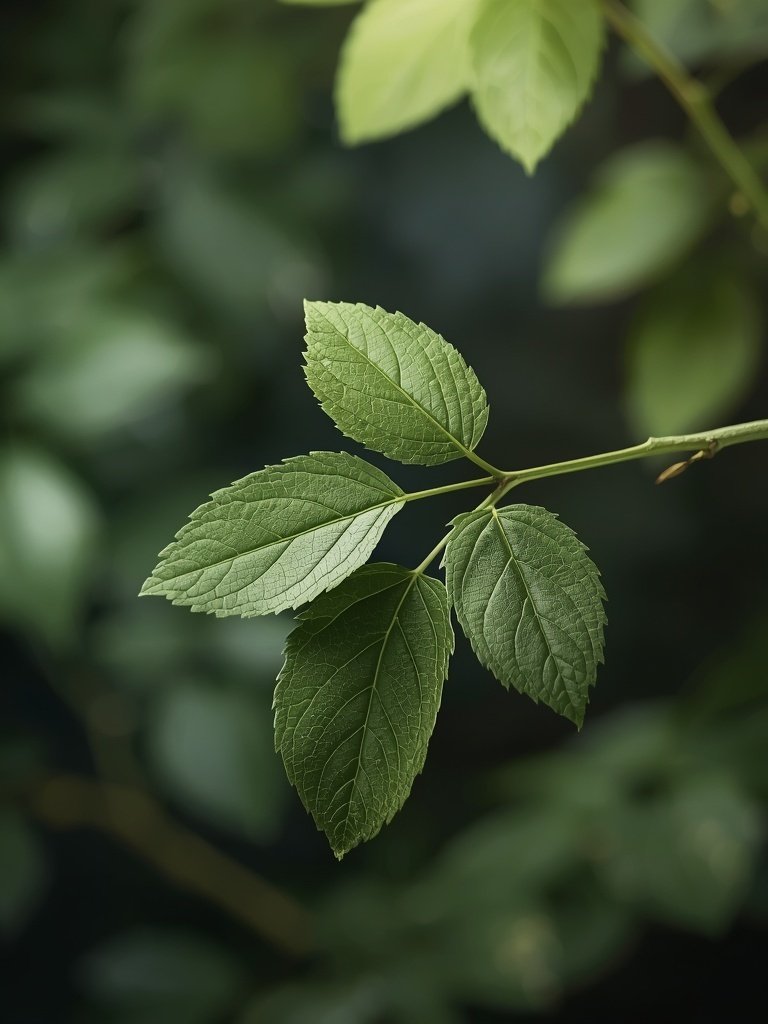
Table of Contents 6
Medical & Editorial Disclaimer (§3 Terms): This article is for informational and educational purposes only, does not constitute medical advice, diagnosis, or treatment, and is used at your own risk. Consult a qualified physician for medical conditions.
The core physiological mechanism revolves around a signature bioactive alkaloid that acts as a competitive inhibitor of key carbohydrate-digesting enzymes within the intestinal tract. By slowing down the enzymatic breakdown of complex dietary polysaccharides into absorbable glucose, this botanical extract effectively flattens postprandial blood sugar surges and moderates insulin demand. Furthermore, the presence of abundant antioxidant flavonoids and supportive plant compounds contributes favorably to lipid profiles, protects vascular health, and helps eliminate sudden cravings driven by reactive fluctuations in blood sugar.
To incorporate this botanical into daily routines effectively, consuming standardized extracts or properly prepared herbal infusions shortly before carbohydrate-heavy meals yields the most favorable metabolic response. Individuals currently managing blood glucose levels with prescription medications should consult a qualified healthcare professional prior to use to ensure safe integration. Embracing this natural nutritional tool alongside wholesome food choices and mindful body awareness empowers individuals to achieve lasting wellness goals.
White mulberry (Morus alba) boasts a millennium-long history in Traditional Chinese Medicine, where its leaves have long been revered for metabolic harmony. Modern pharmacology has elucidated its key active compound: the polyhydroxylated alkaloid DNJ (1-deoxynojirimycin), which selectively inhibits intestinal alpha-glucosidases, thereby blunting postprandial glucose surges and facilitating body weight regulation.
Botanical and Phytochemical Composition of White Mulberry Leaves
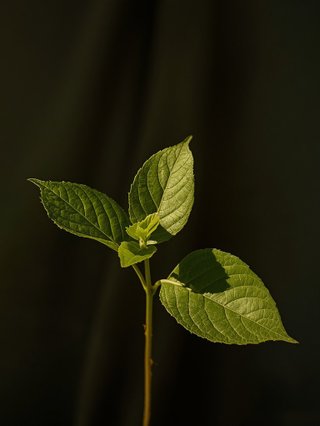
White mulberry is a deciduous tree belonging to the Moraceae family, native to China and historically cultivated for sericulture. The dried foliage collected during early summer constitutes the active phytopharmaceutical drug.
Beyond the signature alkaloid DNJ, mulberry leaves are replete with polyphenolic flavonoids (quercetin, rutin, isoquercitrin), chlorogenic acid, B vitamins, and trace minerals (calcium, magnesium, zinc), delivering comprehensive antioxidant protection.
Mechanisms of Action of 1-Deoxynojirimycin (DNJ) in Carbohydrate Metabolism
The premier mechanism of mulberry leaf extract rests upon competitive inhibition of brush-border alpha-glucosidases (specifically sucrase, maltase, and isomaltase) within the jejunal epithelium.
Consequently, the breakdown of dietary complex polysaccharides into free absorbable glucose is delayed. This flattens postprandial glycemic excursions and moderates insulin demand, paralleling the pharmacological mechanism of acarbose.
White Mulberry Leaves for Weight Management and Fat Loss
Attenuating postprandial insulin surges creates direct physiological advantages for fat loss:
- diminished de novo lipogenesis and triacylglycerol deposition in adipose beds,
- elimination of sudden hunger cravings triggered by reactive hypoglycemia,
- enhanced metabolic flexibility and elevated reliance on lipid oxidation between meals.
Cardiovascular and Lipid Profile Benefits
Clinical trials confirm that standardized mulberry leaf extracts favorably modulate lipid parameters: reducing total cholesterol, atherogenic LDL, and triglycerides while boosting HDL.
Furthermore, bioflavonoids protect endothelial membranes, suppress oxidative modification of LDL particles, and exert mild blood pressure-lowering properties.
Adverse Effects, Contraindications, and Safety Considerations
White mulberry leaf preparations exhibit high clinical tolerability. Transient mild gastrointestinal symptoms (flatulence, softened stools) may arise due to colonic bacterial fermentation of unabsorbed oligosaccharides.
Contraindications: Patients taking prescription antidiabetic medications must consult physicians due to potential additive hypoglycemic effects. Use during pregnancy and lactation is not advised due to limited safety trials.
Mulberry Leaf Tea – Preparation and Optimal Administration Timing
To optimize alpha-glucosidase blockade, consume mulberry tea or standardized extracts 15 to 30 minutes prior to a carbohydrate-rich meal.
Preparation: steep 1 teaspoon (approx. 2 g) of dried cut leaf in 200 ml of boiling water for 10 minutes covered. Drink 2–3 times daily before main meals.
Want to apply these guidelines in your daily diet?
Our smart diet generator creates a tailored meal plan in 3 minutes based on the recommendations in this article.

mgr Felix Weber
• 26.11.2026Diets Premium Expert
Diets Premium team expert. Specializes in nutrition plans, strength sports, and training plans.