Nettle: Not just a stinging plant, but a powerful ally for health and vitality
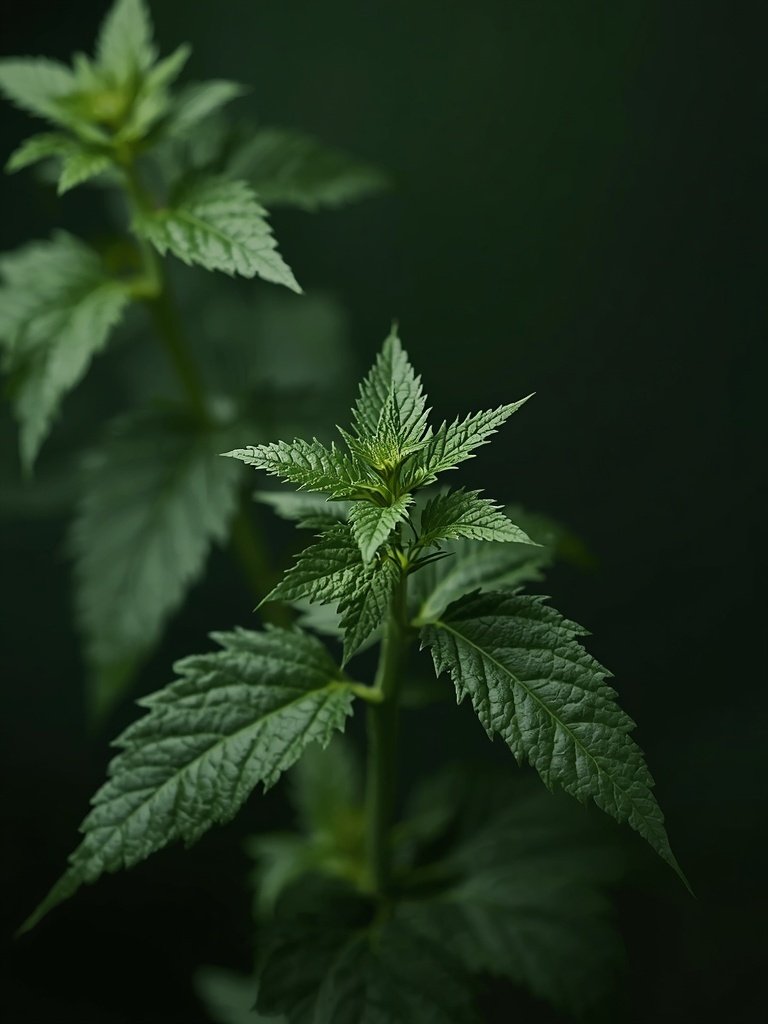
Table of Contents 4
Medical & Editorial Disclaimer (§3 Terms): This article is for informational and educational purposes only, does not constitute medical advice, diagnosis, or treatment, and is used at your own risk. Consult a qualified physician for medical conditions.
From a physiological perspective, young nettle leaves deliver a concentrated matrix of iron, calcium, magnesium, potassium, and bioavailable silica alongside vitamin C, vitamin K, folate, chlorophyll, beta-carotene, and bioactive flavonoids including quercetin, kaempferol, and rutin. The natural pairing of organic iron, folate, and vitamin C supports normal red blood cell formation, while the herb's gentle aquaretic and saluretic properties encourage the renal clearance of uric acid, urea, and excess sodium without depleting potassium reserves. Furthermore, its rich mineral and silica content contributes to the structural integrity of vascular walls, bone tissue, and dermal appendages.
Integrating stinging nettle into daily wellness routines can be achieved through freshly pressed spring sap, mild infusions brewed from dried foliage, or lightly blanched tender leaves harvested from the upper plant tiers prior to blooming in clean environments away from traffic and agricultural runoff. While generally well tolerated, concentrated nettle preparations are contraindicated in individuals with hormone-dependent gynecological conditions such as uterine fibroids or endometriosis, as well as in cases of severe cardiac or renal insufficiency where fluid intake must be medically restricted.
During strolls through meadows and woodlands, most people circumvent stinging nettle to avoid its fiery trichomes. Yet common stinging nettle (Urtica dioica) stands as one of the most therapeutically potent botanical treasures in phytotherapy, brimming with iron, bioavailable silicon, vitamins, and antioxidant flavonoids. This guide explores its therapeutic indications, practical recipes for juices and infusions, and its systemic role in physiological detoxication and anemia management.
Nutritional and phytochemical profile of stinging nettle
Stinging nettle possesses exceptional nutritional density among wild edible herbs. Its young leaves harbor rich concentrations of iron, calcium, magnesium, potassium, and bioavailable silica, reinforcing vascular walls, skeletal bones, and dermal appendages. It serves additionally as an abundant reservoir of vitamin C, vitamin K (indispensable for healthy coagulation cascades), folate, chlorophyll, and beta-carotene. Bioactive flavonoids such as quercetin, kaempferol, and rutin endow nettle with significant radical-scavenging and anti-inflammatory capacity.
Home preparations: Freshly squeezed juice, herbal infusions, and extracts
Integrating stinging nettle into home herbal practices is remarkably straightforward. The most concentrated therapeutic preparation is fresh spring sap pressed from young unblemished shoots, taken at 1-2 tablespoons daily as an invigorating natural tonic. Dried leaf infusions represent a widely accessible regimen: steeping 1 tablespoon of dried herb in freshly boiled water for 10 minutes produces a mild, cleansing diuretic tea. Furthermore, lightly blanched fresh nettle leaves can be incorporated into green smoothies, pestos, and spring vegetable soups as a nutrient-dense spinach substitute.
Diuretic action, metabolic detoxification, and anemia support
Nettle is celebrated primarily for its gentle saluretic and aquaretic diuretic activity, which promotes renal excretion of uric acid, urea, and excess sodium without depleting potassium. This property renders it valuable in the prevention of kidney stones, gout flares, and interstitial fluid retention. Simultaneously, the combination of organic iron, vitamin C, and folate stimulates bone marrow erythropoiesis, establishing nettle preparations as an exceptional nutritional adjunctive support for mild iron-deficiency anemia and fatigue.
Harvesting ethics, administration guidelines, and safety contraindications
Nettle foraging should occur exclusively in pristine habitats, far removed from automotive thoroughfares and synthetic agricultural spray zones; harvest the tender 4-6 apical leaf tiers prior to floral bloom. Despite a very favorable safety record, intensive nettle therapy is contraindicated in hormone-dependent gynecological pathologies (such as uterine fibroids or active endometriosis) and in severe congestive heart or renal failure where fluid intake is medically restricted. Individuals using diuretic or hypoglycemic medications should exercise prudence, as nettle may potentiate pharmacodynamic responses.
Want to apply these guidelines in your daily diet?
Our smart diet generator creates a tailored meal plan in 3 minutes based on the recommendations in this article.

Anna Schmidt
• 25.11.2026Diets Premium Expert
Diets Premium team expert. Specializes in nutrition plans, strength sports, and training plans.