Black cumin seeds – contraindications, side effects, and safe dosage

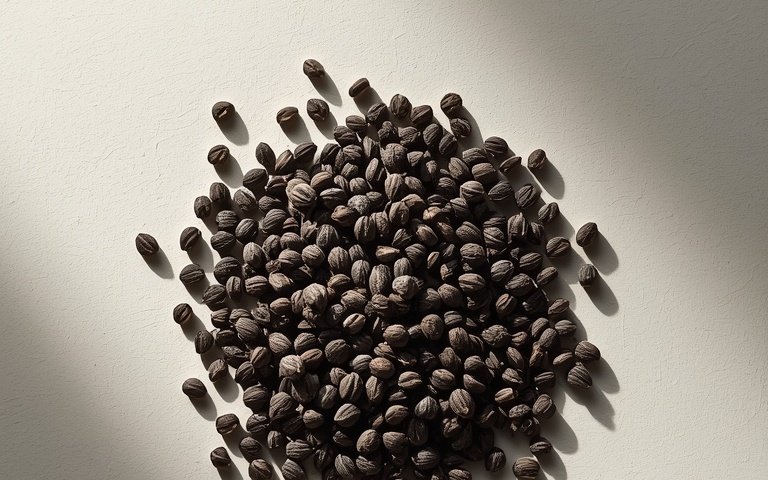
Table of Contents 3
Medical & Editorial Disclaimer (§3 Terms): This article is for informational and educational purposes only, does not constitute medical advice, diagnosis, or treatment, and is used at your own risk. Consult a qualified physician for medical conditions.
While enjoying black cumin seeds in standard culinary amounts is generally well tolerated, concentrated oils and herbal extracts require careful consideration. Pregnancy represents a primary contraindication for concentrated black seed preparations, as certain bioactive constituents may stimulate uterine smooth muscle activity. Additionally, individuals with naturally low blood pressure, as well as those managing blood sugar levels with hypoglycemic medications or taking anticoagulants, should exercise caution because black cumin can interact with these physiological pathways. Taking excessive quantities of concentrated oil may also trigger mild digestive discomfort such as heartburn, acid reflux, cramping, or nausea, alongside occasional contact skin sensitivity in individuals prone to atopic allergies.
For safe and practical daily use, incorporating whole or freshly crushed black cumin seeds into meals such as breads, salads, and savory dishes offers an accessible way to enjoy their flavor and nutritional value. When using cold-pressed black seed oil, taking modest amounts alongside food helps support gentle digestion and minimizes gastrointestinal irritation. Anyone with underlying medical conditions or taking prescription medications should consult a qualified healthcare professional before starting concentrated supplementation.
What is Black Cumin (Nigella sativa)?
Black Cumin – Key Contraindications and Warnings.
Potential Side Effects and Safe Dosage Guidelines.
Want to apply these guidelines in your daily diet?
Our smart diet generator creates a tailored meal plan in 3 minutes based on the recommendations in this article.

Literatura: Arshad H. Rahmani , Mohammad A. Alzohairy , Masood A. Khan , Salah M. Aly, Therapeutic Implications of Black Seed and Its Constituent Thymoquinone in the Prevention of Cancer through Inactivation and Activation of Molecular Pathways, Evid Based Complement Alternat Med ., 2014, Aftab Ahmad , Asif Husain , Mohd Mujeeb , Shah Alam Khan , Abul Kalam Najmi, Nasir Ali Siddique , Zoheir A. Damanhouri , Firoz Anwar, A review on therapeutic potential of Nigella sativa: A miracle herb. Asian Pac J Trop Biomed , 2013 May; 3(5): 337–352, Farzaneh Shakeri , Zahra Gholamnezhad , Bruno Mégarbane , Ramin Rezaee , Mohammad Hosein Boskabady, Gastrointestinal effects of Nigella sativa and its main constituent, thymoquinone: a review, Avicenna J Phytomed , 2016 Jan-Feb; 6(1): 9–20. Alireza Mohtashami and Mohammad Hasan Entezari , Effects of Nigella sativa supplementation on blood parameters and anthropometric indices in adults: A systematic review on clinical trials, J Res Med Sci . 2016; 21: 3, Farshad Roghani Dehkordi , Amir Farhad Kamkhah , Antihypertensive effect of Nigella sativa seed extract in patients with mild hypertension, Fundamental and Clinical Pharmacology, 2008.
Diets Premium Expert
Diets Premium team expert. Specializes in nutrition plans, strength sports, and training plans.