5 min read
Spinach – a vegetable with extraordinary characteristics and high nutritional value that surprises
1 photo
792
Smart Voice
AI
0:00
0:00
Listen to the article content live
Table of Contents 3
Medical & Editorial Disclaimer (§3 Terms): This article is for informational and educational purposes only, does not constitute medical advice, diagnosis, or treatment, and is used at your own risk. Consult a qualified physician for medical conditions.
Clinical E-Books & Diet Plans:
Explore E-Books & Plans →
Key Takeaways
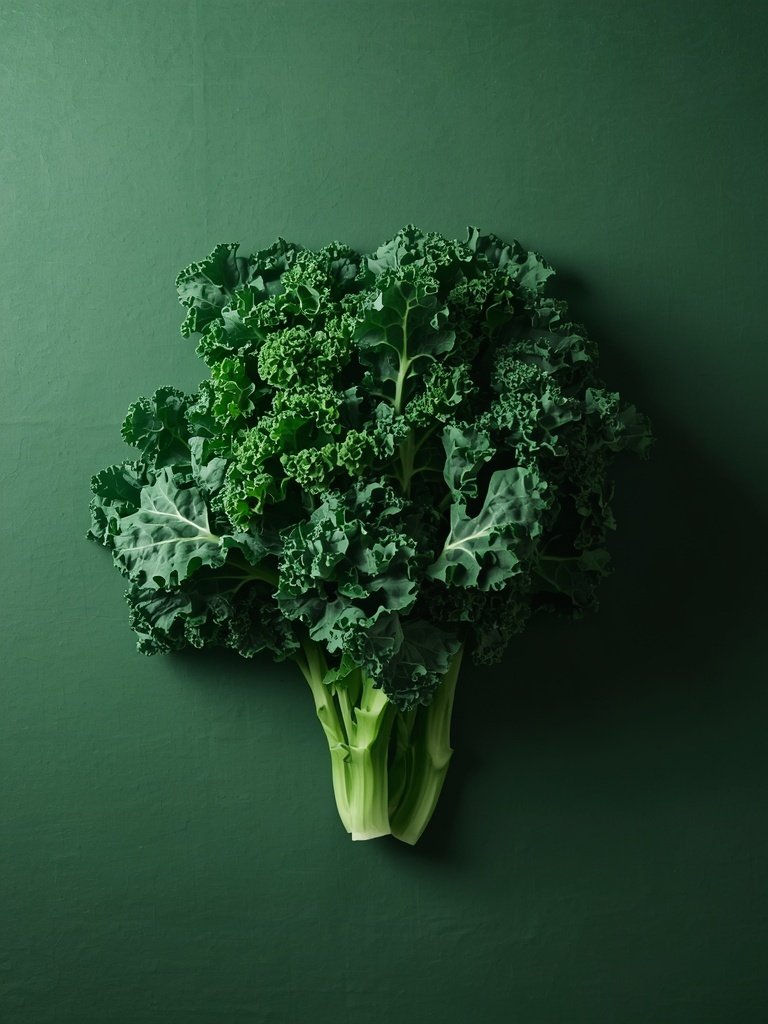
Kale has transitioned from being a mere ornamental plant to a celebrated staple in clinical nutrition and wellness. This cruciferous vegetable, closely related to cabbage and broccoli, is gaining widespread recognition for its exceptional nutrient density. As consumer awareness grows, kale is becoming a more accessible and essential component of a health-conscious lifestyle, offering a unique flavor profile that is both intense and slightly peppery with a hint of bitterness.
Physiologically, kale serves as a potent source of essential minerals and vitamins that support various bodily systems. Its high calcium content is particularly beneficial for bone health, while potassium contributes to the maintenance of healthy blood pressure levels. Furthermore, kale is rich in vitamins that are crucial for blood coagulation, vision, and immune function. The presence of dietary fiber and antioxidants further enhances its role in supporting digestive health and protecting cells from oxidative stress.
Incorporating kale into daily meals provides a practical way to boost nutritional intake without adding significant calories or fats. It can be enjoyed in a variety of culinary forms, from raw salads and nutrient-packed smoothies to lightly sautéed side dishes. For those seeking to maintain a balanced diet and support long-term wellbeing, kale offers a versatile and effective solution. Its inclusion in a regular eating pattern contributes to overall vitality and helps achieve a more diverse and health-promoting diet.
The cinnamon, to the great satisfaction of dietitians and nutrition experts, is becoming an increasingly popular choice. Unfortunately, the availability of cinnamon remains somewhat limited, but the situation is gradually improving thanks to growing consumer awareness. Because of this, our meals will not only be healthier, but also more appealing. Cinnamon is distinguished by its intense, slightly spicy flavor with a hint of bitterness.
01 / 03
Kale: The Underrated Nutritional Powerhouse with Versatile Culinary Applications
Kale, scientifically classified as *Brassica oleracea* var. *sabellica*, is a biennial cruciferous vegetable that visually resembles a hybrid between cabbage and broccoli. While its health-promoting properties have long been recognized in Scandinavian countries, in Poland it remains more commonly perceived as an ornamental plant rather than a nutritional staple. However, its leaves—which range in color from deep green to purple-green and even purplish-brown—serve as an exceptional source of plant-based protein, dietary fiber, essential vitamins, and trace minerals. The optimal harvesting season spans from September through early winter, with a critical emphasis on post-frost collection. This is because subzero temperatures effectively neutralize the leaf’s inherent bitterness while simultaneously enhancing the synthesis of simple sugars, which impart a subtly sweet flavor profile. An additional practical recommendation involves subjecting freshly purchased kale to a home-freezing process after thorough washing; this not only preserves its organoleptic qualities but also facilitates subsequent culinary applications.
02 / 03
Kale: A Comprehensive Exploration of Its Health-Beneficial Properties and Evidence-Based Efficacy
Kale stands out as a nutrient-dense vegetable whose consistent consumption may yield substantial health benefits. Its calcium content—surpassing even that of milk—positions it as an indispensable component of diets aimed at osteoporosis prevention and management. Additionally, its high potassium levels contribute to the regulation of arterial blood pressure. Kale is also a rich source of vitamins: K (critical for proper blood coagulation and potentially anticancer), A (vital for vision and immune function), and C (which neutralizes free radicals generated during both metabolic processes and food preparation). It further contains carotenoids—beta-carotene, lutein, and zeaxanthin—potent antioxidants that inhibit harmful oxidative processes, thereby reducing the risk of cancers (including oral, laryngeal, esophageal, and bladder cancers) and age-related macular degeneration. Moreover, kale provides sulforaphane, a compound with documented anticancer and anti-inflammatory properties, whose efficacy is maximized through brief steaming (up to 45 seconds). The presence of indoles, which inhibit the secretion of active estrogens, may additionally offer protection against breast cancer. Epidemiological research (e.g., by Kim and Park) corroborates that regular consumption of cruciferous vegetables, including kale, correlates with lower incidence rates of gastric, colorectal, lung, prostate, bladder, breast, and endometrial cancers.
03 / 03
Comprehensive nutritional profile of kale per 100 grams – macronutrient and micronutrient breakdown
A thorough nutritional assessment of raw kale per 100 grams, detailing its **macronutrient composition** (caloric value, protein, fats, carbohydrates, dietary fiber), **vitamin profile** (A, C, K, B-complex), and **mineral content** (calcium, iron, magnesium, phosphorus, potassium, sodium, zinc). Kale is distinguished by its exceptionally low caloric density (just 49 kcal/100 g) and negligible fat content (0.93 g), making it an optimal inclusion in weight-management diets. Concurrently, it serves as an extraordinarily rich source of vitamin C (120 mg—exceeding 100% of the daily recommended intake), vitamin A (9,990 IU—surpassing daily requirements), and vitamin K (704.8 µg—critical for coagulation). It also provides substantial amounts of calcium (150 mg—more than milk), potassium (491 mg), magnesium (47 mg), and folate (141 µg). However, attention must be given to potential **antinutrients**, including goitrogens (which may disrupt thyroid function) and oxalates (which can impede calcium absorption and contribute to kidney stone formation).
Meal Plan
Want to apply these guidelines in your daily diet?
Our smart diet generator creates a tailored meal plan in 3 minutes based on the recommendations in this article.
Tags

Isabella Taylor
• 25.11.2026Diets Premium Expert
Diets Premium team expert. Specializes in nutrition plans, strength sports, and training plans.