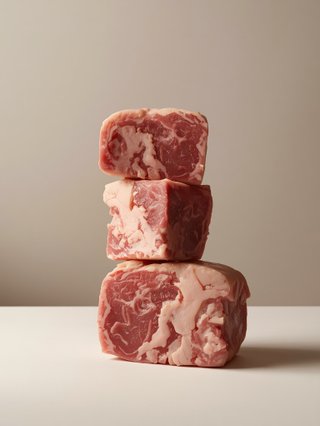
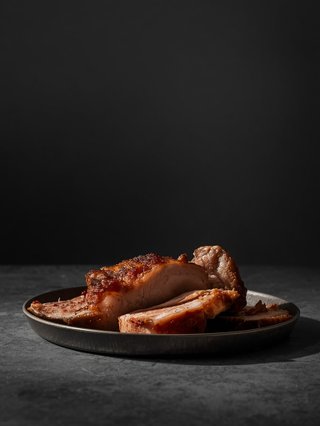
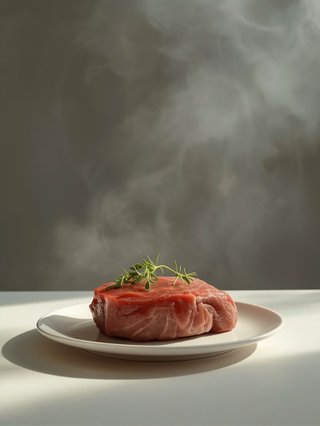
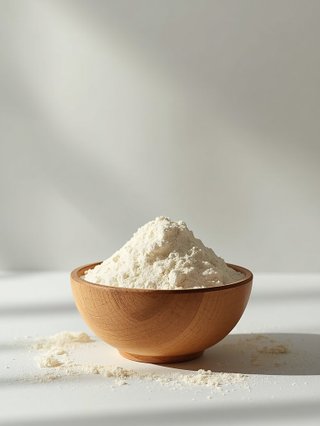
Skinless turkey breast fillet – lean, dietary meat with a subtle flavor
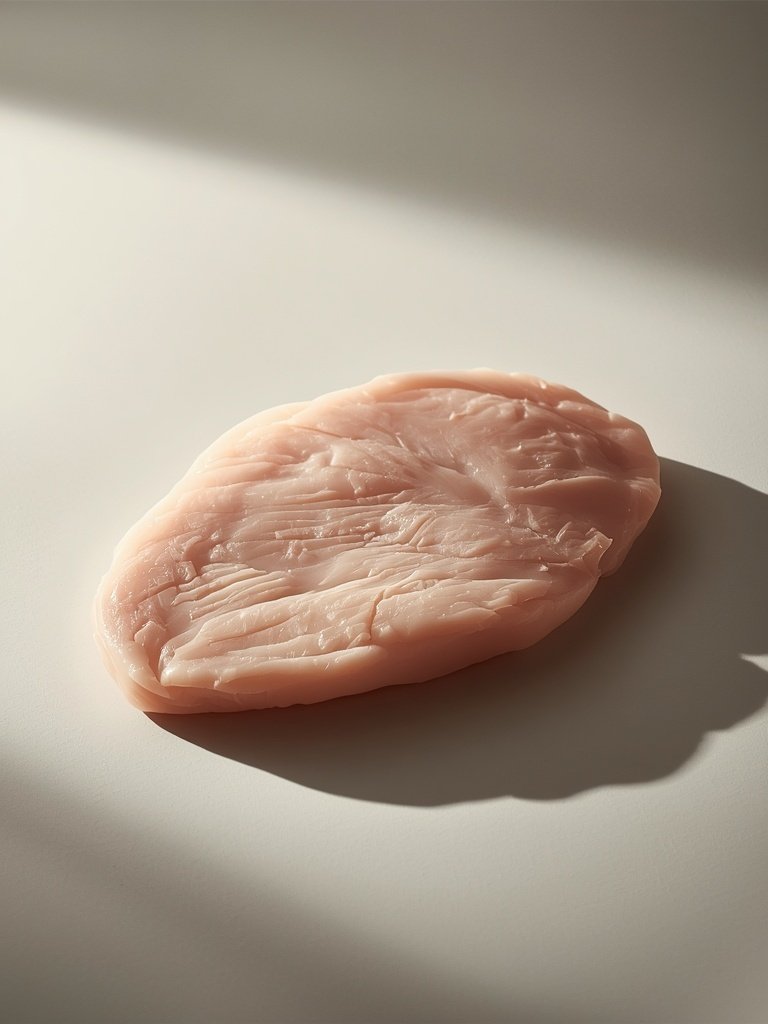
Table of Contents 3
Medical & Editorial Disclaimer (§3 Terms): This article is for informational and educational purposes only, does not constitute medical advice, diagnosis, or treatment, and is used at your own risk. Consult a qualified physician for medical conditions.
Physiologically, turkey breast offers a complete array of essential amino acids required for maintaining body tissues. It is particularly notable for its concentration of tryptophan, a biological precursor to neurotransmitters that support emotional balance. Furthermore, the meat serves as an exceptional source of organic selenium, zinc, and various B-complex vitamins, all of which are fundamental for thyroid hormone metabolism, antioxidant protection, and the maintenance of neural integrity and healthy blood cell formation.
To ensure the best culinary results, it is important to handle the meat with care, as its minimal fat content can lead to dryness if cooked improperly. Techniques such as gentle braising in vegetable stock or low-temperature immersion cooking are highly recommended to preserve moisture and protect the integrity of the nutrients. Additionally, utilizing a light brine with herbs before cooking can significantly improve cellular water retention, ensuring the final dish remains succulent and flavorful.
Skinless turkey breast fillet is among the leanest and most nutrient-dense animal proteins available in human nutrition. It delivers exceptional biological protein value with virtually negligible total fat, while serving as a rich reservoir of bioavailable zinc, selenium, and cobalamin (B12). This article details its dietary role in fat loss, athletic conditioning, and clinical convalescence.
Macronutrient Profile and High-Biological-Value Protein in Turkey Breast
A 100-gram serving of raw skinless turkey breast yields merely 85–95 kcal, while supplying an impressive 21–24 g of complete protein and less than 1.0 g of total fat. This remarkable ratio establishes turkey breast as having one of the highest protein-to-calorie densities in clinical dietetics. Turkey protein provides the full array of essential amino acids, with particularly favorable concentrations of tryptophan—the biological precursor to serotonin and melatonin, supporting emotional balance and restorative sleep.
Essential Micronutrients: Zinc, Selenium, and B-Complex Vitamins
Relative to broiler chicken, turkey breast presents higher concentrations of vital trace elements. It stands out as an exceptional dietary source of organic selenium (providing 25–30 mcg per 100 g, fulfilling more than half of daily adult requirements), crucial for thyroid hormone metabolism and antioxidant protection. It also contributes bioavailable zinc (1.5–2 mg/100 g), vitamin B3 (niacin), pyridoxine (B6), and cobalamin (B12), fundamental for erythropoiesis and neural integrity.
Culinary Preparation – Cooking Succulent Turkey Breast Without Dryness
Because of its minimal intramuscular fat content, turkey breast can quickly turn dry and stringy if overcooked. To guarantee optimal juiciness, wet brining (submerging the breast in a 5% salt-and-herb solution for 2–4 hours prior to cooking) dramatically increases cellular water retention. Ideal culinary techniques include roasting in an oven bag at 160°C until the internal core reaches 74°C, gentle braising in vegetable stock, or low-temperature sous-vide immersion.
Want to apply these guidelines in your daily diet?
Our smart diet generator creates a tailored meal plan in 3 minutes based on the recommendations in this article.

Wojciech Wiśniewski
• 25.11.2026Diets Premium Expert
Diets Premium team expert. Specializes in nutrition plans, strength sports, and training plans.