Pork mince – breakdown into basic elements, nutritional characteristics, and culinary applications
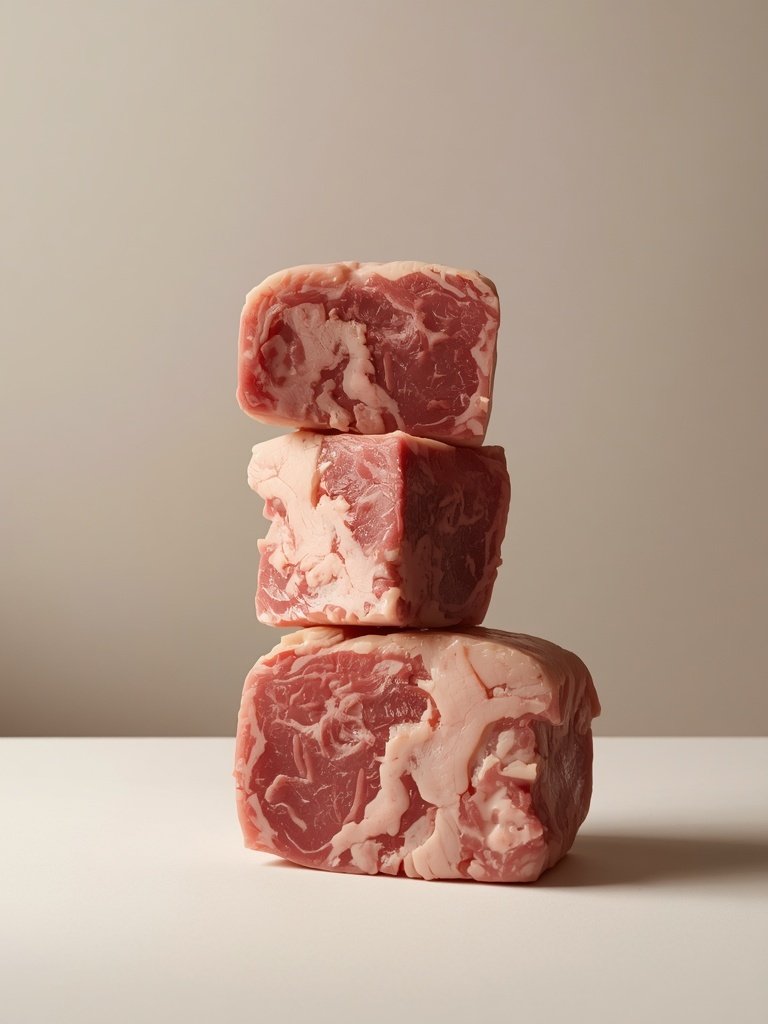
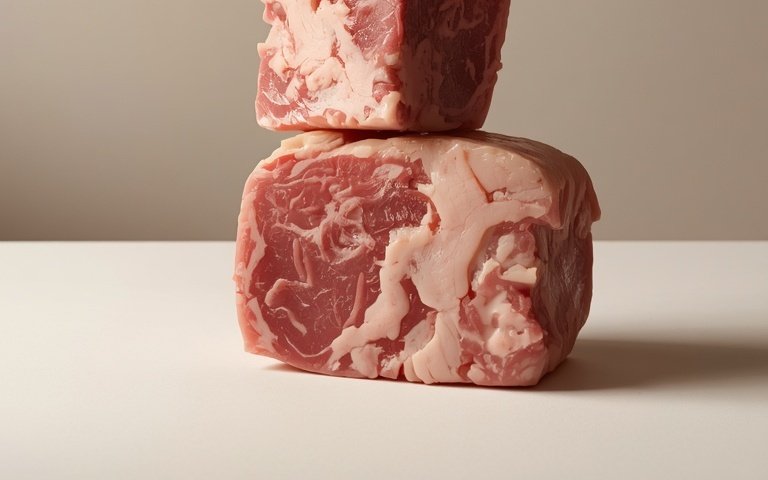
Table of Contents 4
Medical & Editorial Disclaimer (§3 Terms): This article is for informational and educational purposes only, does not constitute medical advice, diagnosis, or treatment, and is used at your own risk. Consult a qualified physician for medical conditions.
From a physiological and nutritional standpoint, pork supplies complete, high-biological-value protein encompassing all essential amino acids required for cellular maintenance and tissue repair. It stands out among meats for its remarkably rich concentration of thiamine, complemented by generous levels of pyridoxine, cobalamin, zinc, and readily absorbed heme iron. Across the European Union, carcasses are systematically graded under the SEUROP classification framework according to lean meat yield, with high-quality selections exhibiting a clean pink hue, resilient texture, and fine intramuscular marbling. Anatomically, breaking down a pork side separates muscle groups that vary widely in fiber thickness and connective tissue density, ranging from ultra-tender tenderloin, center loin, and ham subdivisions to richly marbled or collagen-dense regions such as the collar, shoulder, belly, ribs, and hocks.
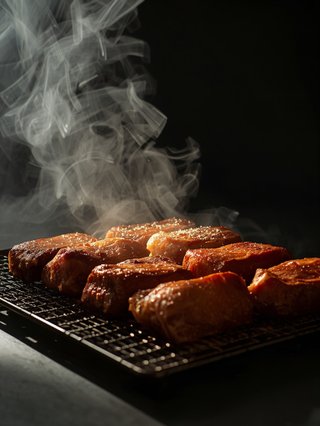
In daily meal preparation, matching thermal cooking techniques to the structural composition of each cut is essential for preserving moisture and palatability. Lean cuts like trimmed tenderloin and center-cut loin respond best to swift, gentle heat exposure—such as brief pan-searing, controlled roasting, or sous-vide preparation—to prevent muscle fiber desiccation. Conversely, connective-tissue-dense segments like the shoulder, collar, ribs, and hocks require prolonged, low-temperature braising or slow roasting to convert tough collagen into succulent gelatin, while secondary parts like the jowl and trotters remain prized staples in traditional artisanal charcuterie.
Pork has traditionally represented one of the most prominent pillars of European gastronomic culture. Modern agricultural breeding standards and feed regimens have rendered contemporary pork significantly leaner than that of previous decades. This guide outlines the precise anatomical breakdown of pork carcasses into primal and sub-primal cuts (tenderloin, loin, ham, shoulder, neck), analyzing their nutritional values and ideal culinary preparation methods.
Pork carcass grading, meat quality standards, and classification
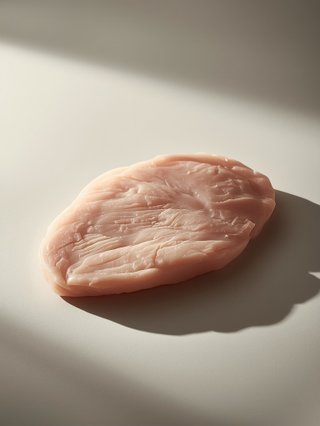
A pork carcass comprises the slaughtered, bled, eviscerated body of domestic swine, typically split longitudinally along the spine into symmetrical halves. Within the European Union, carcasses are systematically evaluated under the SEUROP classification framework, which grades lean meat content percentage (with class S surpassing 60% lean mass). High-grade pork displays a clean light-to-deep pink coloration, firm resilient texture, and delicate intramuscular marbling that confers juiciness and culinary flavor upon preparation.
Anatomical division of pork primal and sub-primal cuts
The fabrication of a pork side separates cuts differing substantially in muscle fiber thickness and connective tissue concentration. Foremost among premium culinary cuts are: tenderloin (the exquisitely tender psoas major), loin (yielding chops and roasts), ham (subdivided into top round, bottom round, and knuckle), shoulder/butt, neck/collar (richly marbled), pork belly, ribs, and hocks. Collateral parts – including jowl, trotters, tail, and head – feature prominently in artisanal charcuterie, terrines, rustic broths, and aspic preparations.
Nutritional profile of pork: High-biological-value protein, B-vitamins, and heme iron
Pork provides a rich source of complete, highly bioavailable dietary protein containing all essential amino acids required for tissue repair. Lean selections – such as trimmed tenderloin and center-cut loin – supply merely 120-150 kcal per 100g serving while delivering over 20-22g of protein with less than 3-5g of lipid content. Pork outclasses virtually all other meats in its concentration of thiamine (vitamin B1), alongside generous amounts of pyridoxine (B6), cobalamin (B12), zinc, and readily absorbable heme iron that protects against anemia.
Culinary applications and optimal thermal cooking methods for each cut
Matching appropriate cooking methods to the structural properties of each specific pork cut is critical for culinary success. Lean cuts (tenderloin, center loin) demand swift, gentle thermal exposure (pan-searing, brief roasting, sous-vide) to prevent desiccation; internal core temperature should peak around 68-70°C for optimal tenderness. In contrast, collagen-rich and connective-tissue-dense segments (shoulder, collar, hocks, ribs) achieve succulent tenderness through prolonged low-temperature braising, slow-roasting, or stewing, wherein tough collagen fibers steadily hydrolyze into unctuous gelatin.
Want to apply these guidelines in your daily diet?
Our smart diet generator creates a tailored meal plan in 3 minutes based on the recommendations in this article.
Tags

mgr Literatura:
• 23.10.2026Diets Premium Expert
Diets Premium team expert. Specializes in nutrition plans, strength sports, and training plans.