Posture correction – rounded back


Table of Contents 2
Medical & Editorial Disclaimer (§3 Terms): This article is for informational and educational purposes only, does not constitute medical advice, diagnosis, or treatment, and is used at your own risk. Consult a qualified physician for medical conditions.
The physiological mechanisms behind this condition involve a complex interplay between weakened abdominal muscles and tight hip flexors, which together pull the pelvis into an anterior tilt. The article highlights how certain life stages, such as pregnancy, naturally alter the body's center of gravity, necessitating biomechanical compensations that can deepen the spinal curve. By focusing on corrective gymnastics, individuals can work toward rebalancing these muscle groups, thereby alleviating pressure on the lower back and improving overall structural integrity.
Practical management of this postural defect relies on consistent engagement with targeted exercises designed to strengthen the core and activate the gluteal muscles. Emphasizing mindful movement and precision in each exercise helps to retrain the nervous system and support a more neutral spinal position. Integrating these corrective habits into a daily routine, alongside frequent breaks from sitting, serves as a proactive approach to enhancing posture and preventing the progression of musculoskeletal imbalances.
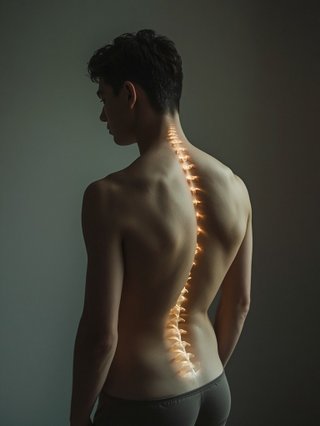
Lumbar hyperlordosis: Clinical characteristics, etiologic factors, and biomechanical compensation mechanisms
The back's in a correction
Correcting lumbar hyperlordosis requires consistent dedication, patience, and meticulous adherence to a targeted corrective gymnastics protocol. The following exercise routine should be performed 2–3 sets of 10–15 repetitions, focusing strictly on mindful muscle engagement and biomechanical precision.
Core and Gluteal Activation Exercises:
- Targeted Abdominal Crunches: Focus exclusively on contracting the rectus abdominis without cervical pulling. The goal is deep abdominal muscle recruitment rather than high repetition counts.
- Seated Abdominal Hollow (Seiza Contraction): In a kneeling seiza posture, maintain an elongated spine with retracted scapulae. Inhale deeply, draw the navel toward the posterior spine, strongly engaging the transverse abdominis, hold for 10–15 seconds while breathing steadily, and release.
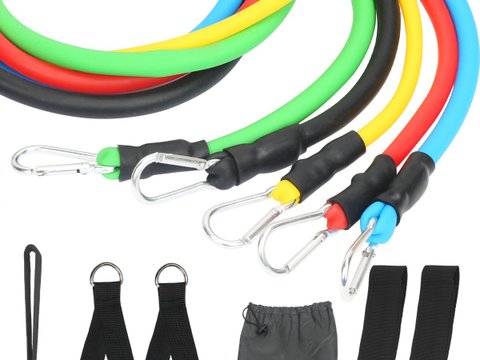
- Cable or Resistance Band Crunches: Kneeling in front of a high pulley or high anchor band, hold handles by the ears. Flex the thoracic spine downward using abdominal strength while keeping the pelvic girdle completely locked.
- Forearm Plank: Maintain a rigid isometric bridge on forearms for 20–60 seconds, contracting glutes, core, and quadriceps to build a functional muscular corset.
- Quadruped Glute Pulses (Donkey Kicks): From all-fours, extend one leg backward parallel to the floor and pulse upward, actively contracting the gluteus maximus on each repetition.
- Glute-Focused Squats: Descend into a controlled squat and drive upward, emphasizing maximum gluteal contraction at lockout while bracing the core to prevent lumbar hyperextension.
Lumbar Decompression and Extensor Relaxation:
- Child's Pose (Extended Prayer Pose): From seiza, extend arms forward onto the mat, walking fingertips forward to gently decompress the lumbar spine. Hold for 30–60 seconds with diaphragmatic breathing.
- Foam Rolling (Myofascial Release): Slowly roll the lower back, gluteal complex, and hip flexors for 2–3 minutes to release chronic myofascial tension.
- Supine Pelvic Tilts: Lie flat on your back, knees flexed. Exhale and deliberately flatten the lumbar spine against the floor by posterior pelvic tilting. Hold for 10 seconds.
- Knee-to-Chest Lumbar Stretch: Pull one knee, then the other, and finally both knees toward the sternum to lengthen shortened erector spinae muscles.
- Swiss Ball Prone Decompression and Deep Tuck Squat: Gently drape over an exercise ball to passively stretch spinal extensors, followed by a supported full deep squat with feet flat.
Perform this corrective sequence at least once daily. Consistency and proper pelvic alignment are the definitive keys to restoring neutral spinal curvature.
Want to apply these guidelines in your daily diet?
Our smart diet generator creates a tailored meal plan in 3 minutes based on the recommendations in this article.

Julia Wójcik
• 25.11.2026Diets Premium Expert
Diets Premium team expert. Specializes in nutrition plans, strength sports, and training plans.