Posture Correction – Autonomous Adaptation of the Body


Table of Contents 3
Medical & Editorial Disclaimer (§3 Terms): This article is for informational and educational purposes only, does not constitute medical advice, diagnosis, or treatment, and is used at your own risk. Consult a qualified physician for medical conditions.
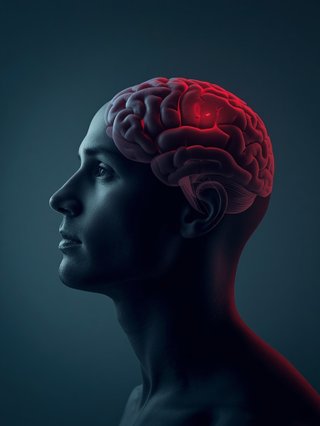
At the heart of postural re-education lies a multidimensional framework that integrates physical, behavioral, and environmental influences across several interdependent domains. Of particular importance is the neurophysiological sphere, which governs the automatic regulation of spatial alignment. Individuals experiencing chronic postural imbalances often exhibit diminished proprioceptive awareness, impairing their ability to naturally sense spinal deviations or trunk asymmetry. Consequently, effective postural retraining progresses through distinct stages, moving from initial cognitive awareness of existing deviations toward the gradual consolidation and automation of balanced alignment patterns.
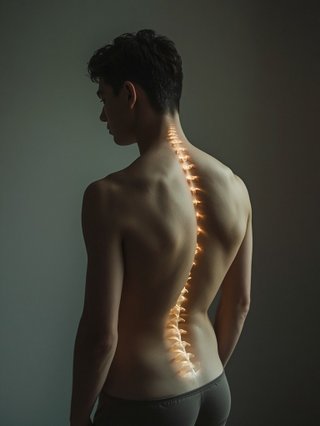
In daily life, individuals can actively support their postural alignment by incorporating visual self-assessment using mirror feedback alongside targeted corrective exercises. Developing the habit of periodically checking trunk symmetry and spinal positioning during routine tasks helps recalibrate proprioceptive pathways over time. Combined with mindful ergonomic adjustments at home and work, these self-directed strategies provide practical support for ongoing physical therapy and contribute to long-term postural stability.
Understanding the fundamentals and objectives of postural re-education
Fundamental principles of postural re-education: Five key domains of influence
Postural re-education is founded upon a comprehensive framework that integrates five distinct yet interdependent domains governing the body’s optimal alignment in space. The **neurophysiological dimension** holds paramount importance, as it underpins the **automatic regulation of proper posture**. Dysfunction within this sphere is characterized by a **diminished proprioceptive awareness**, whereby individuals with postural disorders lose the ability to self-monitor spinal alignment and trunk symmetry, resulting in the **habitual adoption of maladaptive postures**. A second critical component is the **anatomical domain**, encompassing the osseous, articular, and ligamentous structures. Pathologies here manifest as **restrictions in passive range of motion**, often culminating in **joint lockages** or biomechanical asymmetries. Closely intertwined is the **muscular sphere**, where impairments may present as **muscle dystonia** (involuntary contractions), **abnormal tension in joint capsules** (potentially leading to stiffness), or **uneven load distribution** across the spinal column—factors that accelerate degenerative changes. The fourth pillar is the **environmental context**, which includes **sociocultural and occupational conditions**. Individuals engaged in sedentary occupations (e.g., office workers) exhibit a heightened susceptibility to **progressive postural deviations** due to **prolonged static positioning and physical inactivity**, whereas manual laborers are less prone to such issues. The final, yet equally vital, domain is the **psychoemotional sphere**, where **chronic stress, anxiety, time pressure**, or **substance abuse (including alcohol)** can **disrupt innate postural control mechanisms**, fostering a gradual deterioration of bodily alignment.
Phases of postural re-education: From awareness to automated correction
Want to apply these guidelines in your daily diet?
Our smart diet generator creates a tailored meal plan in 3 minutes based on the recommendations in this article.
Tags

Mia Hoffmann
• 25.11.2026Diets Premium Expert
Diets Premium team expert. Specializes in nutrition plans, strength sports, and training plans.