Pitch oil from Siberian fir (Abies sibirica) – medicinal properties, application in dermatology and inhalation, and safe dosing


Table of Contents 4
Medical & Editorial Disclaimer (§3 Terms): This article is for informational and educational purposes only, does not constitute medical advice, diagnosis, or treatment, and is used at your own risk. Consult a qualified physician for medical conditions.
The physiological benefits of the oil are driven by its rich concentration of natural terpenes, which interact with the body to promote systemic balance. When used in inhalation therapy, these compounds help to clear the airways and support the body's natural cleansing processes. Dermatologically, the oil acts to balance sebum production and soothe inflammatory skin conditions, making it a valuable asset for those managing congested or sensitive skin. Furthermore, its warming properties provide comfort for tired muscles and joints, contributing to overall physical relaxation.
To ensure a safe and positive experience, users must adhere to strict application protocols. The oil should always be diluted in a suitable carrier, such as raw honey or a vegetable oil, before ingestion or topical use. Conducting a patch test on the skin is a necessary step to confirm individual tolerance before broader application. As with any potent botanical agent, individuals with specific health conditions or those in sensitive life stages should seek professional guidance to ensure that the use of fir oil aligns with their personal health requirements.
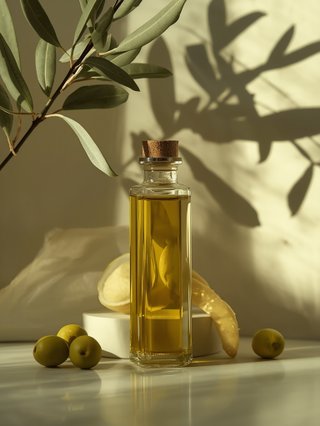
Distilled from the pristine needles and young shoots of Siberian fir (Abies sibirica), fir needle oil (traditionally known as pichta oil) is a revered phytotherapeutic agent endowed with potent antimicrobial, anti-inflammatory, and expectorant properties. Discover how this traditional boreal remedy supports respiratory recovery, clears congested acne-prone skin, eases rheumatic joints, and how to safely dose it.
Siberian fir oil – boreal origin and terpene profile
Siberian fir needle oil is produced by steam distillation of fresh needle-bearing twigs and shoots of wild Abies sibirica gathered in pristine boreal taiga forests. It possesses a crisp, invigorating coniferous fragrance and pale golden hue. The therapeutic potency of fir oil arises from its rich array of natural phytoncides and monoterpenes: it contains up to 35–45% bornyl acetate (responsible for its calming, antispasmodic qualities), complemented by camphene, alpha-pinene, limonene, and volatile phytoncides that naturally inhibit pathogenic microorganisms.
Antimicrobial, expectorant, and immunomodulatory properties
Microbiological assessments confirm the broad-spectrum bactericidal, antiviral, and anti-inflammatory properties of Siberian fir oil. The volatile monoterpenes readily diffuse across respiratory epithelia and cutaneous layers, stimulating systemic immune responses by mobilizing leukocytes and lysozyme activity. In inhalation therapy, fir oil liquefies viscous bronchial secretions, promotes ciliary mucus clearance, and sanitizes the airway passages. Formulated into warming topical balms, it enhances capillary perfusion, alleviates inflammatory joint swelling, and soothes chronic muscular ache.
Applications in dermatology, inhalation, and skincare
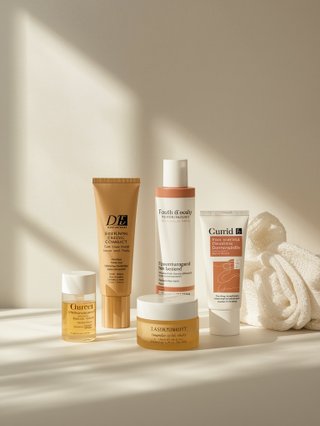
Siberian fir needle oil is widely employed in dermatological care, particularly for congested, seborrheic, and acne-prone skin. It normalizes sebaceous gland excretion, tightens dilated pores, and suppresses inflammatory acne lesions through targeted inhibition of Cutibacterium acnes. In steam inhalations (3–5 drops in hot water), it offers swift symptomatic decongestion for rhinitis, sinusitis, and persistent coughs. Furthermore, restorative baths infused with fir oil relieve psychophysical fatigue, alleviate tension headaches, and promote deep restorative sleep.
Contraindications and safe dosage protocols
Despite its botanical origin, fir needle oil requires adherence to dosage guidelines. For oral administration, intake should not exceed 5–10 drops daily, strictly diluted in a spoonful of raw honey, juice, or edible oil; never take undiluted. The oil is strictly contraindicated during pregnancy, lactation, in children under 3 years of age, and in patients with bronchial asthma or acute nephritis. Prior to topical use, a 24-hour cutaneous patch test must be conducted on the inner forearm to rule out hypersensitivity to coniferous terpenes.
Want to apply these guidelines in your daily diet?
Our smart diet generator creates a tailored meal plan in 3 minutes based on the recommendations in this article.

Julia Wójcik
• 25.11.2026Diets Premium Expert
Diets Premium team expert. Specializes in nutrition plans, strength sports, and training plans.