Azadirachta indica (Indian neem) – characteristics, neem oil, practical use in medicine and cosmetology
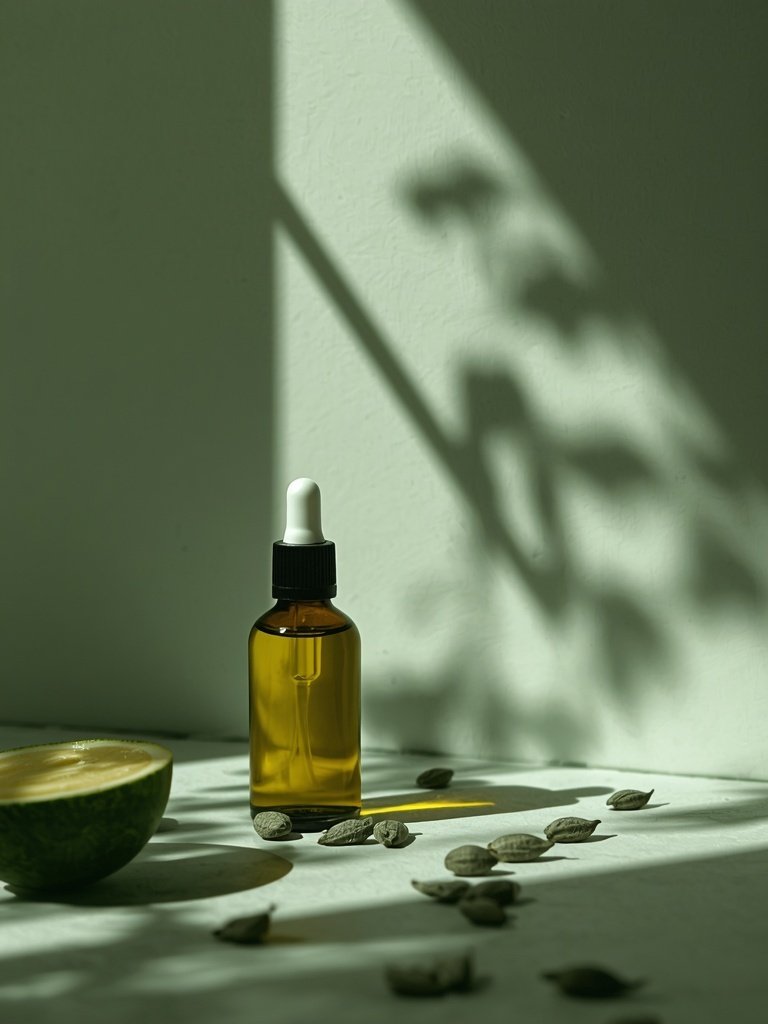
Table of Contents 4
Medical & Editorial Disclaimer (§3 Terms): This article is for informational and educational purposes only, does not constitute medical advice, diagnosis, or treatment, and is used at your own risk. Consult a qualified physician for medical conditions.
The physiological efficacy of neem stems from its complex tetranortriterpenoids, particularly bioactive limonoids such as azadirachtin, nimbin, and gedunin, present in cold-pressed seed oil. These compounds exert potent antibacterial, antifungal, antiviral, and anti-inflammatory actions. They work biochemically by suppressing dermatophytes and unwanted bacteria, calming severe pruritus, and reinforcing the epidermal lipid barrier with naturally occurring fatty acids and Vitamin E without causing excessive dryness or irritation.
In daily health and cosmetic practice, neem seed oil serves as a versatile topical agent for managing acne prone skin, scaly plaques, and scalp imbalance. Applying this nutrient-rich oil helps harmonize sebum production, soothe localized redness, and protect the skin against environmental stressors. Consistent and mindful use of neem-derived preparations contributes to a clearer scalp, refined skin texture, and enhanced dermatological resilience.
The Neem tree (Azadirachta indica), historically hailed in Ayurvedic medicine as 'nature's pharmacy', constitutes an invaluable botanical reservoir of therapeutic triterpenoids. Contemporary phytotherapy and clinical dermatology extensively document its antibacterial, antifungal, anti-inflammatory, and insect-repellent actions driven by bioactive limonoids.
Phytochemical Architecture: Azadirachtin, Nimbin, and Gedunin Limonoids
The unique biological potency of Azadirachta indica is attributed to complex tetranortriterpenoids known as limonoids:
- Azadirachtin: The primary bioactive compound in neem seeds, exerting powerful antiparasitic and insect-growth regulator effects by interrupting ecdysone synthesis.
- Nimbin and nimbidin: Bioactive sulfur-containing compounds mediating robust anti-inflammatory and antihistaminic responses.
- Gedunin: Limonoid demonstrating proven antifungal activity against pathogenic dermatophytes and fungal species.
Neem Seed Oil in Clinical Dermatology: Acne, Psoriasis, Eczema, and Dandruff
Cold-pressed neem seed oil features a characteristic sulfurous aroma and a rich matrix of fatty acids and Vitamin E:
- Acne vulgaris: Eradicates Cutibacterium acnes while suppressing follicular inflammation and balancing sebum secretion without peeling.
- Psoriasis and atopic eczema: Calms severe pruritus, softens hyperkeratotic plaques, and restores lipid barrier integrity.
- Scalp and hair health: Effectively eradicates Malassezia furfur yeasts responsible for stubborn dandruff and clears head lice infestations.
- Toxicological precaution: Neem seed oil is strictly intended for topical dermatological application; internal oral ingestion is toxic and contraindicated.
Oil of neem
Apply neem oil
Want to apply these guidelines in your daily diet?
Our smart diet generator creates a tailored meal plan in 3 minutes based on the recommendations in this article.

mgr Tomasz Jankowski
• 25.11.2026Diets Premium Expert
Diets Premium team expert. Specializes in nutrition plans, strength sports, and training plans.