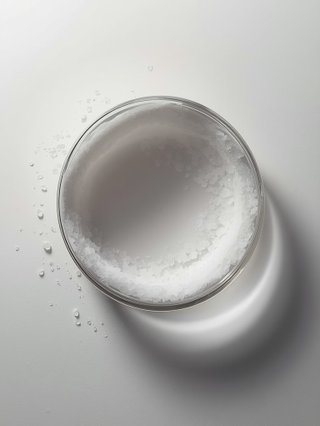
Palcohol – ingredient analysis, physicochemical properties, and potential hazards associated with consuming alcohol in powder form
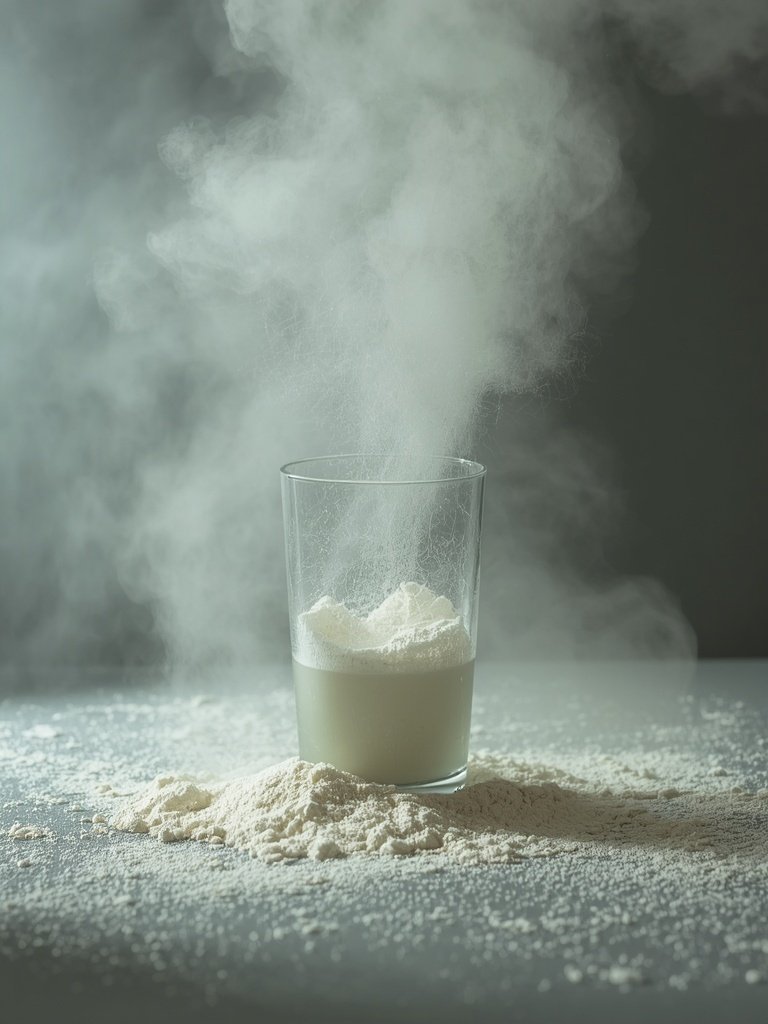
Table of Contents 3
Medical & Editorial Disclaimer (§3 Terms): This article is for informational and educational purposes only, does not constitute medical advice, diagnosis, or treatment, and is used at your own risk. Consult a qualified physician for medical conditions.
From a biochemical perspective, the formulation relies on microencapsulation technology, wherein ethanol molecules are trapped within the hydrophobic interior cavities of cyclic carbohydrate molecules known as cyclodextrins. Surrounded by a hydrophilic exterior composed of a maltodextrin and cyclodextrin carrier matrix, the powder dissolves rapidly in water or juice to reconstitute an alcoholic beverage with an ethanol concentration exceeding that of most table wines, while contributing dietary energy from both the carbohydrate carrier and the pure alcohol itself. Once ingested orally, the encapsulated ethanol is released and absorbed across the gastric and intestinal mucosa, whereas improper administration such as nasal insufflation inflicts severe chemical damage on the nasal mucosa and delivers alcohol directly into the bloodstream by bypassing hepatic first-pass metabolism, dramatically elevating the threat of acute alcohol poisoning.
From a practical health and lifestyle standpoint, awareness of how novel food technologies alter consumption hazards is vital for personal safety and informed nutritional decision-making. Because powdered alcohol is exceptionally easy to conceal and transport, it introduces heightened dangers of accidental overdose and the covert spiking of beverages or meals. Maintaining a safe approach to daily nutrition and social well-being involves strictly avoiding the dry ingestion or culinary misuse of concentrated alcoholic powders, remaining vigilant about the contents of prepared drinks, and recognizing that encapsulating ethanol in a carbohydrate matrix never diminishes its toxicological burden on the human body.
This powdered alcoholic beverage, packaged in convenient single-serve pouches, contains just 80 kilocalories while exhibiting an alcohol concentration exceeding that of most table wines. Since its market debut, the product has sparked intense debate and apprehension, primarily due to the ease of unregulated consumption and the risk of improper use. The manufacturer, marketing the substance under the brand name Palcohol, emphasizes its multifunctional nature—suitable for dry ingestion, dissolution in liquids of varying chemical compositions, or even application as a culinary seasoning for dishes. However, the concept of alcohol in powdered form is by no means a global innovation, and its potential for misuse has raised legitimate concerns among public health professionals and regulatory bodies alike.
Palcohol – Powdered Alcohol Formulation and Market Regulation
Palcohol (powdered alcohol) is an innovative technological formulation consisting of dehydrated alcohol encapsulated within cyclic carbohydrate molecules known as cyclodextrins. Designed for portability, a single sachet mixed with water or juice reconstitutes into an alcoholic beverage equivalent in ethanol content to a standard shot of spirits or cocktail. Marketed variants included cocktail flavors such as Cosmopolitan, Mojito, and Lemon Drop, with final reconstituted beverages typically exhibiting alcohol concentrations of approximately 3% to 10% depending on liquid dilution.
Chemical Composition, Cyclodextrin Microencapsulation, and Caloric Profile
The chemical principle underlying Palcohol involves microencapsulation. Cyclodextrins possess a hydrophobic interior cavity capable of trapping ethanol molecules, surrounded by a hydrophilic exterior that allows rapid dissolution in water. A standard 29-gram single-serving sachet contains roughly 80 kcal from the carrier maltodextrin/cyclodextrin matrix in addition to the caloric value of pure alcohol. Once ingested, the encapsulated ethanol is released and absorbed through the gastric and intestinal mucosa into the bloodstream in identical pharmacokinetic fashion to conventional liquid alcohol.
Public Health Hazards and Misuse Risks of Powdered Alcohol
The emergence of powdered alcohol generated widespread public health and regulatory concerns. Major risks include the potential for nasal insufflation (snorting), which could cause severe chemical damage to the nasal mucosa while delivering alcohol directly to the bloodstream without hepatic first-pass metabolism, dramatically increasing the hazard of acute alcohol poisoning. Additionally, the portability and ease of concealing powder raise risks of accidental overdose, unregulated spiking of beverages, and youth abuse, prompting numerous countries and US states to ban powdered alcohol formulations.
Want to apply these guidelines in your daily diet?
Our smart diet generator creates a tailored meal plan in 3 minutes based on the recommendations in this article.

Sophia Williams
• 25.11.2026Diets Premium Expert
Diets Premium team expert. Specializes in nutrition plans, strength sports, and training plans.