Meadowsweet – properties and uses. Alcoholic beverage, tea, preserves from meadowsweet
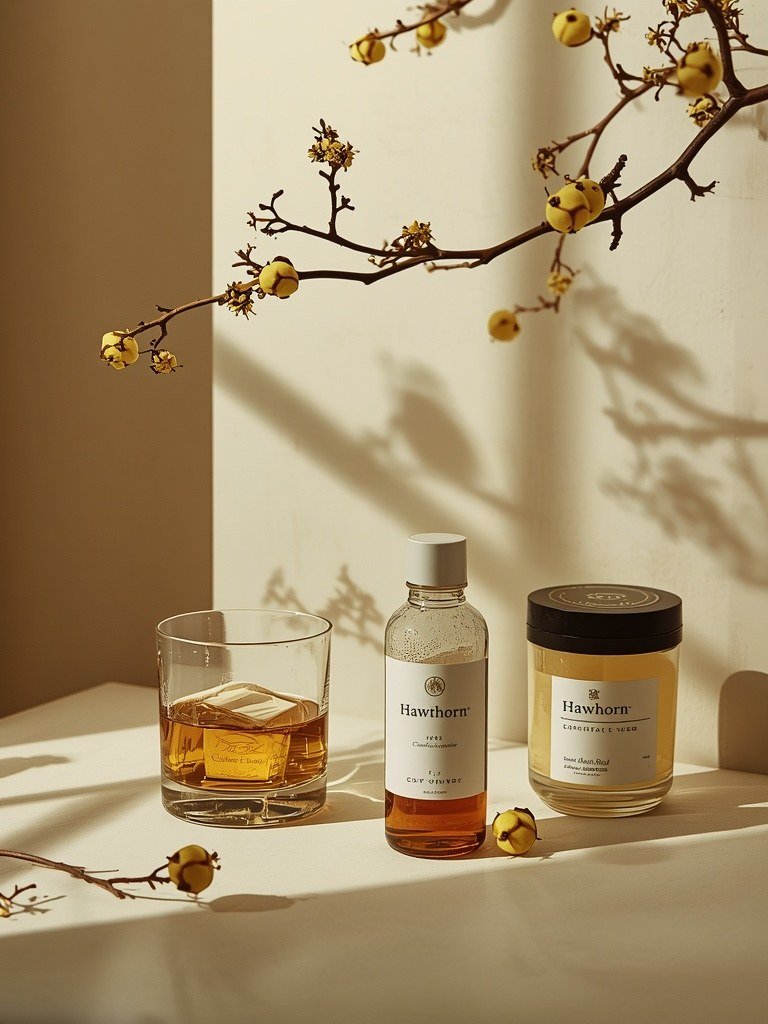

Table of Contents 6
Medical & Editorial Disclaimer (§3 Terms): This article is for informational and educational purposes only, does not constitute medical advice, diagnosis, or treatment, and is used at your own risk. Consult a qualified physician for medical conditions.
From a physiological perspective, wolfberry fruits contain a dense matrix of phytochemicals, most notably specialized water-soluble Lycium barbarum polysaccharides, flavonoids, and carotenoids such as zeaxanthin. These compounds contribute to cellular defense against oxidative stress and have been studied for their supportive roles in maintaining normal immune responsiveness, ocular tissue integrity, and overall cardiovascular and metabolic wellness. While ongoing research continues to clarify the mechanisms behind these botanical constituents, wolfberry preparations serve strictly as nutritional and lifestyle support rather than a substitute for clinical medical care.
In everyday culinary practice, dried or fresh wolfberries can be steeped into a mild herbal tea, macerated into a traditional spirit-based extract, or simmered into a richly flavored autumnal preserve. When consuming alcoholic infusions or sugar-sweetened jams, moderation remains essential to align with wholesome dietary principles. Furthermore, prudent safety precautions are necessary, as bioactive components in wolfberry may interact with certain prescription medications—particularly anticoagulants, antihypertensives, and blood-glucose-regulating agents—making prior consultation with a healthcare professional advisable for individuals under medical management.
Hawthorn: A Versatile Medicinal and Nutritional Plant with Broad Applications
Therapeutic dimensions of hawthorn in cardiology: A systematic review of clinical evidence and mechanistic insights
Arterial hypertension: Potential therapeutic support from hawthorn in blood pressure regulation
Hawthorn herbal infusion: A time-honored remedy for cardiovascular wellness
Hawthorn tincture – traditional recipe for cardiovascular support
Hawthorn fruit tincture (*Tinctura Crataegi*) is one of the most revered herbal formulations in traditional botanical medicine for tonifying myocardial performance and modulating systemic blood pressure. It enhances coronary perfusion, exerts mild antiarrhythmic effects, and soothes mild nervous restlessness.
Traditional Recipe for Homemade Hawthorn Tincture:
Ingredients: 500 g ripe hawthorn berries (*Crataegus*), 500 ml 95% pure grain alcohol, 500 ml filtered water, 350–500 g raw sugar (or unpasteurized wildflower honey), 4 whole cloves, 1 small cinnamon stick.
Preparation Method: Thoroughly wash, pat dry, and gently crush the hawthorn berries to facilitate extraction of bioactive flavonoids and oligomeric proanthocyanidins. Place into a large glass jar, pour in the alcohol combined with half a cup of water. Seal tightly and store in a warm, dark pantry for 14 days, shaking gently once daily. After two weeks, simmer the remaining water with sugar (or honey), cloves, and cinnamon for 5 minutes; allow the spiced syrup to cool completely. Strain the macerated alcohol from the fruit, blend thoroughly with the cooled syrup, and allow the mixture to rest for 4 to 5 days. Finally, filter the tincture through a fine strainer or coffee filter, bottle into amber glass containers, and cellar in a cool, dark environment for a minimum of 3 to 6 months before use.
Autumnal Hawthorn Delicacies: A Time-Honored Recipe for a Cardio-Supportive Preserve with Vascular Health Benefits
Want to apply these guidelines in your daily diet?
Our smart diet generator creates a tailored meal plan in 3 minutes based on the recommendations in this article.
Tags

Kacper Nowak
• 25.11.2026Diets Premium Expert
Diets Premium team expert. Specializes in nutrition plans, strength sports, and training plans.