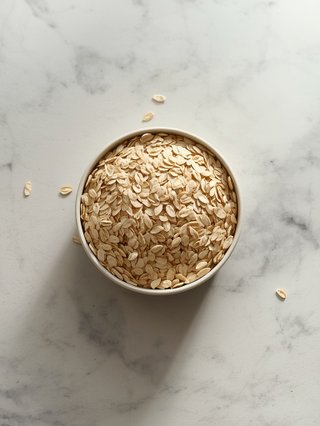
Oatmeal flakes – a complete source of nutrients, beta-glucan, and minerals
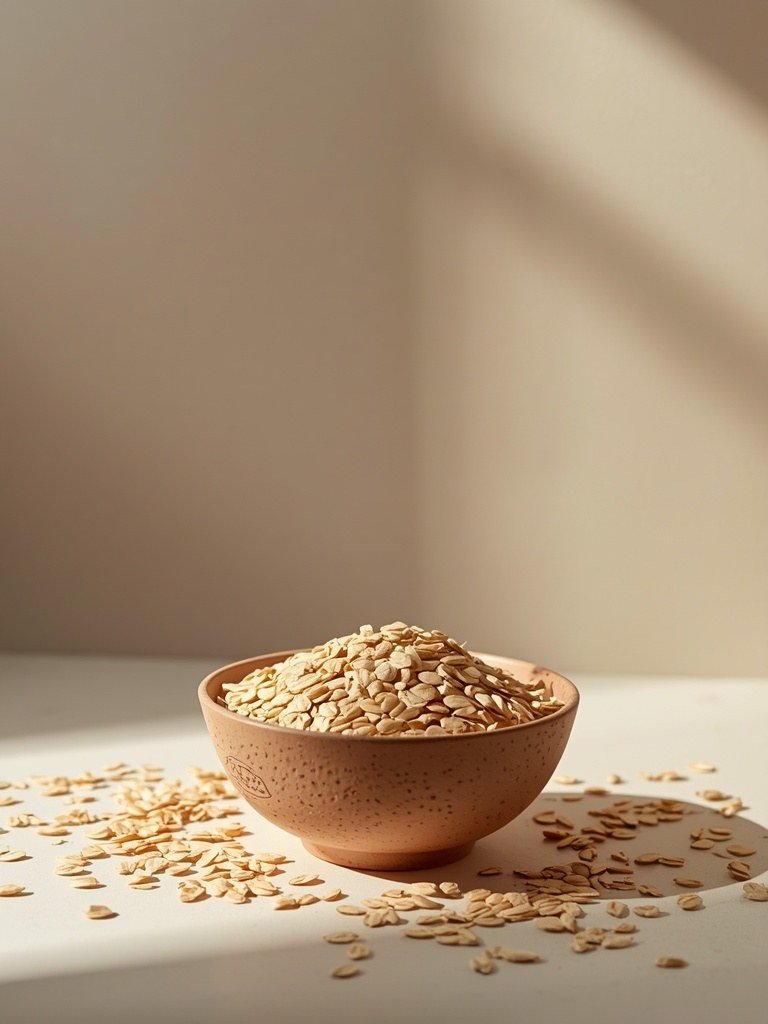
Table of Contents 3
Medical & Editorial Disclaimer (§3 Terms): This article is for informational and educational purposes only, does not constitute medical advice, diagnosis, or treatment, and is used at your own risk. Consult a qualified physician for medical conditions.
The unique physiological properties of oats stem from their rich profile of soluble dietary fiber, particularly beta-glucan, which contributes to maintaining normal blood cholesterol levels. Additionally, oats harbor specialized bioactive polyphenols known as avenanthramides that exhibit strong anti-inflammatory actions, alongside essential vitamins and minerals that support muscle recovery and cellular protection.
Practical application in daily nutrition is wonderfully versatile, ranging from traditional warm porridges and overnight bowls to nutrient-dense baked goods and homemade granola bars. By making oats a regular part of your meals, you provide your body with sustained energy and wholesome nourishment to support an active lifestyle.
Whole grain oat flakes rank among the most rigorously validated functional foods in nutritional medicine. As early as 1997, the US Food and Drug Administration (FDA) authorized the landmark health claim confirming that soluble dietary fiber from whole oats significantly mitigates the risk of coronary heart disease. Beyond beta-glucans, oats harbor unique bioactive polyphenols termed avenanthramides that exert potent anti-inflammatory and vasodilatory actions.
Nutrient profile of whole oats – minerals, vitamins, and unique avenanthramides
Whole grain oats furnish an abundant spectrum of B-complex vitamins (thiamine, pantothenic acid, pyridoxine) and vitamin E. Mineral reserves feature substantial quantities of manganese, magnesium, bioavailable iron, phosphorus, zinc, and copper. Crucially, oats concentrate avenanthramides—phenolic alkaloids unique to the Avena genus. These bioactive molecules stimulate endothelial nitric oxide (NO) synthesis, promoting vasodilation, lowering systemic blood pressure, and preventing LDL oxidative atherogenesis.
Caloric density and macronutrient partition in oat flakes
A 100 g portion of dry whole rolled oats yields approximately 366 kcal. This encompasses 12–13 g of quality plant protein, 7 g of lipids (principally cardioprotective oleic and linoleic unsaturated fatty acids), and 60–65 g of complex carbohydrates. Dietary fiber averages 10 g, featuring 4–5 g of pure soluble beta-glucan. A standard breakfast serving of 40–50 g furnishes merely 150–180 kcal, establishing an optimal foundation for metabolic energy.
Varieties and culinary utilization of oats in modern kitchens
Market offerings categorize oats into three principal forms: whole rolled oats (minimally processed whole kernels), quick-cooking rolled oats (steamed and lightly chopped), and instant oats (finely sliced and heavily rolled for immediate hydration). Beyond classic porridge, oats excel in homemade toasted granolas, rustic oat cookies, wholesome pie crusts, and as a nutrient-dense binder for meatballs. Pulverized into oat flour, they yield nutritious, fluffy pancakes free of refined wheat.
Want to apply these guidelines in your daily diet?
Our smart diet generator creates a tailored meal plan in 3 minutes based on the recommendations in this article.
Tags

mgr David Janitzek
• 25.11.2026Diets Premium Expert
Diets Premium team expert. Specializes in nutrition plans, strength sports, and training plans.