Is there really a difference between organic, ecological, and bio products?


1 photo
770
Smart Voice
AI
0:00
0:00
Listen to the article content live
Table of Contents 3
Medical & Editorial Disclaimer (§3 Terms): This article is for informational and educational purposes only, does not constitute medical advice, diagnosis, or treatment, and is used at your own risk. Consult a qualified physician for medical conditions.
Clinical E-Books & Diet Plans:
Explore E-Books & Plans →
Key Takeaways
Growing environmental awareness has led countless individuals to actively reduce their ecological footprint while prioritizing personal wellness and the well-being of their loved ones. Consumers increasingly embrace plant-based alternatives and seek out merchandise identified as organic, eco-friendly, or Bio to align their daily habits with sustainability. This topic explores the genuine meaning behind these widespread labels, addressing how conscious purchasing decisions can support a balanced and health-conscious lifestyle.
Throughout the core chapters, the narrative examines how terms such as Bio, Eco, and Organic frequently overlap in practice, sharing a fundamental commitment to safeguarding natural environmental processes rather than disrupting them. Strict cultivation standards prohibit the use of artificial fertilizers and genetically modified organisms, safeguarding fragile ecosystems that encompass beneficial insects and local wildlife. Physiologically, these items offer comparable merits, contributing to a reduced exposure to synthetic agricultural residues while fostering overall nutritional quality.
For everyday implementation, consumers are encouraged to look for official European Union organic production logos on packaging as a reliable indicator of verified agricultural practices. Checking for the accompanying certification body codes ensures authenticity and transparency regarding the origin of raw materials. By making informed choices at the store, individuals can seamlessly integrate sustainable nutrition into their routine, supporting long-term vitality through thoughtful, evidence-based dietary habits.
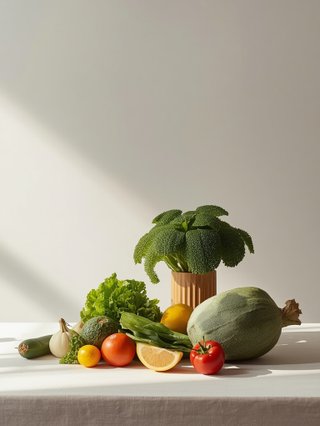
The issue of environmental preservation has gained immense importance in recent years. A growing number of people are striving to reduce their ecological footprint while simultaneously prioritizing their own health and the well-being of their loved ones. Consumers are progressively abandoning meat in favor of plant-based alternatives. Instead of opting for cars or buses, they choose bicycles, and in stores, they purchase items labeled as organic, eco-friendly, or Bio.
01 / 03
BIO, EKO and Organic products What are the differences?
The terms Bio, Eco, and Organic are often used interchangeably. According to some sources, this is correct, as indicated by the different meanings of the prefixes "Bio," "EKO," and the word "Organic." Let's look at what products each name describes and how they differ. BIO products
The BIO designation specifically refers to maintaining biological balance. This means that the production of BIO products must not only not disrupt natural processes occurring in the environment, but actively support them. BIO products must also be good for consumers' health.
Organic Products
The EKO designation refers to nature and the natural environment. Food labeled as organic must be produced in a way that does not harm the animals and plants in the fields. Organic food must also be free from pollutants: hormones and pesticides. Organic products
For food to be called organic, it must contain at least 95% natural ingredients. Its production must not degrade the soil, causing nutrient loss or contamination. The use of artificial fertilizers is also prohibited in a farm that wants to produce organic food. Therefore, crop rotation and natural pest control methods are used in production.
02 / 03
The resemblance
It's easy to see that, despite the different names, some of the requirements for the above-described foods are met. None of them can be grown on artificial fertilizer, contain GMOs, or degrade the environment. This also applies to insects and other animals, which are an important part of the ecosystem. And it's worth pointing out that organic or organic food is not at all better than products or organic and vice versa. They're equally beneficial to health and the environment, and the differences between them are really subtle.
03 / 03
Food labels
For customers, the most important information on the product packaging is the EU organic production logo, also known as the EU Green List. This is what makes it easy to recognize organic products. It is a special label reserved exclusively for organic agricultural products. Although it is most often seen in a clear green colour, other colours are also permitted. Besides the logo, there must be the number of units certifying the farm and the information collected from the country where the raw materials used in food production come from (e.g. PL-EKO-01). To obtain them, the organic farm must demonstrate that the authorised organic farming practices are followed by the producers.
Meal Plan
Want to apply these guidelines in your daily diet?
Our smart diet generator creates a tailored meal plan in 3 minutes based on the recommendations in this article.
Tags

Alicja Kowalska
• 25.11.2026Diets Premium Expert
Diets Premium team expert. Specializes in nutrition plans, strength sports, and training plans.