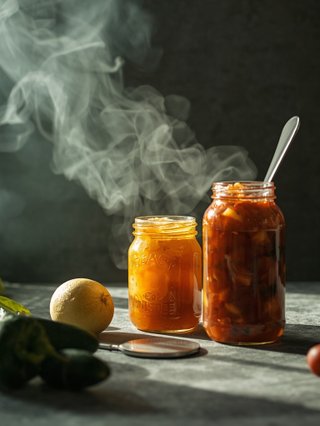
Fermented vegetables - their properties and recipes


Table of Contents 6
Medical & Editorial Disclaimer (§3 Terms): This article is for informational and educational purposes only, does not constitute medical advice, diagnosis, or treatment, and is used at your own risk. Consult a qualified physician for medical conditions.
At the physiological core of this transformation is lactic acid fermentation, driven by beneficial bacteria that naturally convert plant sugars into beneficial organic acids. While cabbage and cucumbers remain the most traditional staples, a wide variety of other produce including beets, pumpkins, and even apples can undergo this natural conversion. These processes help enrich the intestinal environment and support smoother digestive processes, contributing to a harmonious internal balance without relying on artificial additives.
Implementing these practices at home involves selecting the freshest possible produce and ensuring optimal cleanliness using appropriate glass or stoneware vessels. Following proper preparation guidelines, such as adequately submerging ingredients and monitoring room conditions during the resting phase, ensures safe and successful results. By mastering these simple techniques, you can easily craft authentic fermented beets or pickled fruits in your own kitchen to enrich your daily nutrition naturally.
This article is professional premium content (PRO) provided in its entirety.
Lactic acid fermentation – a method for preserving foodstuffs
What products can be subjected to fermentation?
Health advantages of fermented fruits and vegetables
Fermentation – create it yourself
Preserved and marinated beets
Guidelines for preparing fermented vegetables and fruits
Want to apply these guidelines in your daily diet?
Our smart diet generator creates a tailored meal plan in 3 minutes based on the recommendations in this article.

Oliwia Kaczmarek
• 25.11.2026Diets Premium Expert
Diets Premium team expert. Specializes in nutrition plans, strength sports, and training plans.