Vegetable preserves – production process, advantages and disadvantages
1 photo
903
Smart Voice
AI
0:00
0:00
Listen to the article content live
Table of Contents 4
Medical & Editorial Disclaimer (§3 Terms): This article is for informational and educational purposes only, does not constitute medical advice, diagnosis, or treatment, and is used at your own risk. Consult a qualified physician for medical conditions.
Clinical E-Books & Diet Plans:
Explore E-Books & Plans →
Key Takeaways
Vegetable preserves offer a convenient way to maintain access to plant-based foods regardless of natural seasonal availability. Many consumers question whether these products serve as a high-quality alternative to fresh produce and what role they should play in a balanced diet. Understanding the technological processes behind these shelf-stable items is essential for making informed decisions about their place in your daily nutritional routine.
The manufacturing process focuses primarily on extending shelf life through thermal treatment, which significantly impacts the sensory attributes and nutritional profile of the vegetables. Exposure to high temperatures leads to the degradation of heat-sensitive bioactive compounds, including essential vitamins and minerals. Furthermore, submerging the raw material in canning liquids facilitates the leaching of nutrients, resulting in a product that differs substantially from its fresh counterpart in both texture and aromatic quality.
In practical daily application, it is best to view canned vegetables as a versatile solution for specific circumstances, such as travel or times when fresh produce is scarce. While they provide undeniable convenience for quick meal preparation, they should not replace the regular consumption of fresh, seasonal vegetables. Use these products judiciously to supplement your meals when needed, while prioritizing fresh options as the foundation of your long-term health and nutrition strategy.
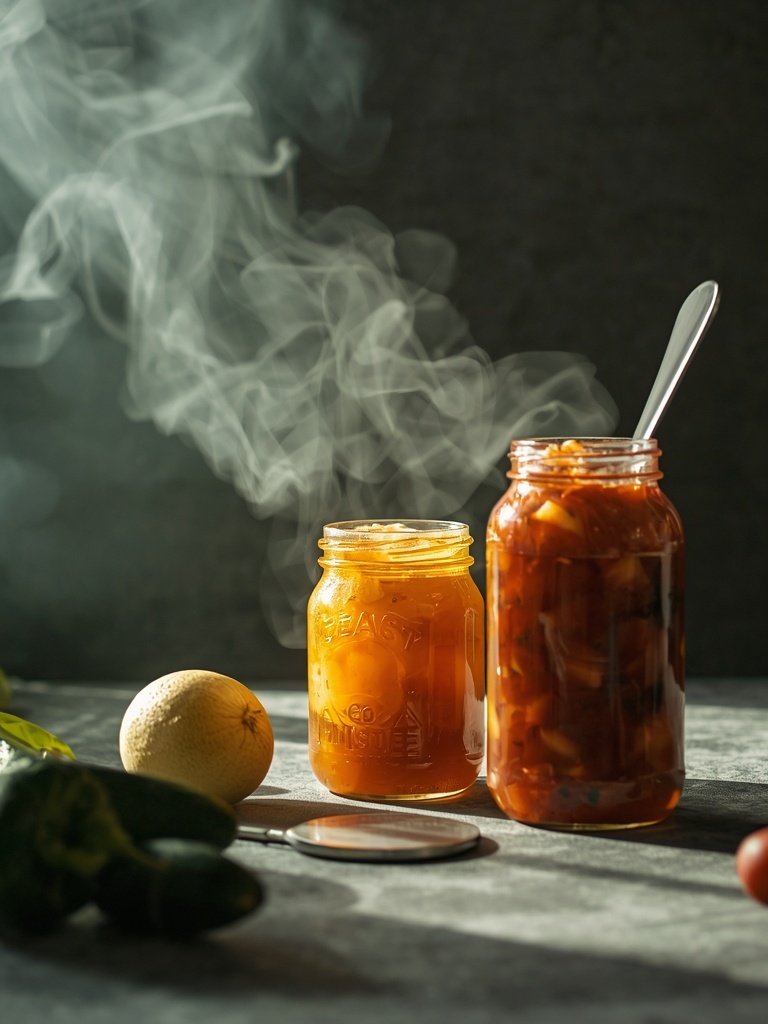
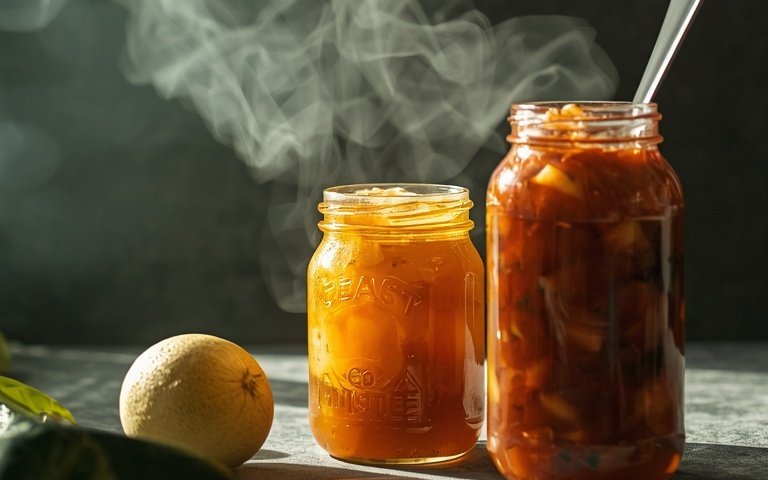
Golden grains of corn, minuscule green pea spheres, preserved cucumbers, colorful bean seeds, or green or black olives. In stores, there is a true wave of vegetables, enclosed in metal containers or airtight jars, in the company of colorful labels.. Is it worth investing in such preparations? What nutritional value does bell pepper in sauce deliver?
01 / 04
Technological processes in canned vegetable production and principles of preservation
Fresh vegetable raw materials are prone to relatively rapid spoilage, resulting in the loss of their sensory attributes—including flavor, aroma, and texture. The primary objective of canned vegetable production is to substantially extend shelf life and provide consumers with access to a diverse range of preparations irrespective of the natural seasonal availability of fresh produce. The technological process involves the meticulous selection of suitable vegetable varieties, thorough cleaning to remove inedible components, optional trimming or shaping (e.g., into cubes, slices, or strips), followed by thermal processing via pasteurization or sterilization under strictly controlled temperature conditions. Both methods are designed to eliminate pathogenic microorganisms, thereby ensuring the microbiological safety of the final product. Pasteurization, conducted at temperatures not exceeding 100°C for several minutes, represents a gentler approach that preserves a higher proportion of nutritional value. In contrast, sterilization, performed at 130–140°C for 15–30 seconds, is a more aggressive process that may induce certain alterations in the product’s structure and composition. While canned vegetables offer a convenient alternative to fresh counterparts, they possess both advantages and limitations that warrant consideration in their consumption.
02 / 04
The often-overlooked benefits of canned vegetables: Practicality, storage, and nutritional considerations
Canned vegetables represent a remarkably versatile solution for both culinary convenience and long-term food storage, offering distinct advantages in everyday meal preparation and emergency scenarios. Their preparation requires minimal effort—simply removing them from the can and optionally heating them in their brine to the desired serving temperature makes them particularly suitable for products like corn or green beans. The metal packaging eliminates the need for refrigeration or specialized storage conditions, rendering them an optimal choice for outdoor excursions, camping trips, or situations where refrigeration is unavailable. Their extended shelf life—often spanning multiple years—allows households to maintain a ready-to-use supply for quick meal enhancements, whether as a simple side dish or as a core ingredient in improvised recipes such as rice-and-tuna salads for unexpected visitors. The rigorous processing methods, including pasteurization and sterilization, ensure exceptional microbiological safety by effectively neutralizing harmful pathogens. An often-overlooked benefit is the substantial reduction in potentially hazardous nitrogen compounds (nitrates and nitrites), which root vegetables like beets and carrots may absorb and concentrate when grown in contaminated soils.
03 / 04
Quality and Nutritional Shortcomings of Canned Vegetables: A Comprehensive Assessment
Thermally processed canned vegetables exhibit pronounced deviations from their fresh counterparts in both visual presentation and organoleptic characteristics, with species-specific aromatic and olfactory profiles undergoing substantial attenuation. The diminished nutritional value stems from the heat-induced degradation of labile bioactive compounds, including water-soluble vitamins and essential minerals. Furthermore, submersion of the raw material in the canning liquid facilitates the leaching of these nutrients into the brine, which is subsequently discarded during preparation. Particularly severe losses are observed in ascorbic acid (vitamin C) and the B-vitamin complex. Prolonged storage exacerbates nutrient depletion, thereby further compromising the dietary utility of the product.
04 / 04
Processed vegetables in nutrition: When do they make sense and how to incorporate them judiciously?
Thermally processed vegetables are not notable for their high content of micronutrients or vitamins, as exposure to elevated temperatures during canning leads to the degradation of many valuable nutritional compounds. Their consumption is justified only in exceptional circumstances—such as during seasonal shortages of fresh produce (e.g., in winter) or in situations demanding quick and convenient meal preparation. Canned vegetables may prove useful during travel, excursions, or outdoor trips due to their ease of storage and minimal preparation requirements. While they can supplement salads or vegetable-based dishes, they should not serve as the primary ingredient; instead, they are best treated as a secondary component rather than the foundation of a meal. Given their limited nutritional profile, frequent consumption is not advised. Far superior alternatives for health include fresh, frozen, or fermented vegetables, which retain the majority of their vitamins, minerals, enzymes, and bioactive compounds—such as antioxidants and organic acids—that are essential for optimal bodily function.
Meal Plan
Want to apply these guidelines in your daily diet?
Our smart diet generator creates a tailored meal plan in 3 minutes based on the recommendations in this article.
Tags

Mia Hoffmann
• 25.11.2026Diets Premium Expert
Diets Premium team expert. Specializes in nutrition plans, strength sports, and training plans.