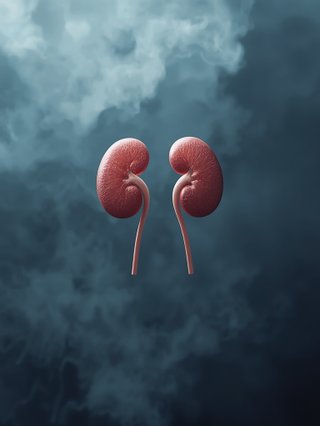
Dietary recommendations for Premenstrual Syndrome (PMS)


Table of Contents 2
Medical & Editorial Disclaimer (§3 Terms): This article is for informational and educational purposes only, does not constitute medical advice, diagnosis, or treatment, and is used at your own risk. Consult a qualified physician for medical conditions.
A primary physiological challenge during the premenstrual phase is excessive fluid retention, which often manifests as sensations of swelling, abdominal bloating, and temporary weight fluctuations. The article examines how highly processed foods rich in salt hinder normal water excretion, whereas potassium-rich ingredients such as bananas and tomatoes help facilitate fluid balance. Furthermore, it highlights how heavy, fatty dishes and gas-producing foods like cabbage and legumes place extra strain on the digestive system, potentially contributing to constipation and heightened abdominal discomfort.
To translate these insights into daily nutrition, readers are encouraged to transition toward a light, nutrient-dense diet centered around fresh vegetables and fruits served in consistent, moderate portions. Replacing red meat and fast food with gently prepared fish—whether grilled, stewed, or baked in foil—supports smoother digestion without overburdening the gastrointestinal tract. Minimizing salty processed meals and bloating ingredients provides a clear, actionable approach to maintaining physical comfort leading up to menstruation.
Nutritional approaches for PMS relief
Foods to avoid during premenstrual syndrome
Want to apply these guidelines in your daily diet?
Our smart diet generator creates a tailored meal plan in 3 minutes based on the recommendations in this article.

mgr Max Müller
• 17.03.2026Diets Premium Expert
Diets Premium team expert. Specializes in nutrition plans, strength sports, and training plans.