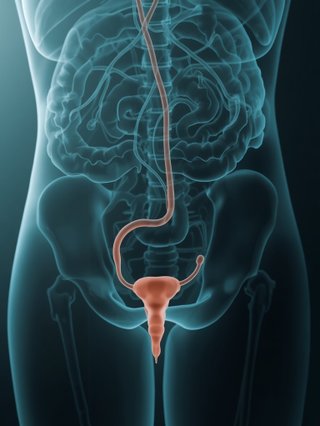
Kidneys: etiology, symptomatology and dietary recommendations in the context of kidney diseases
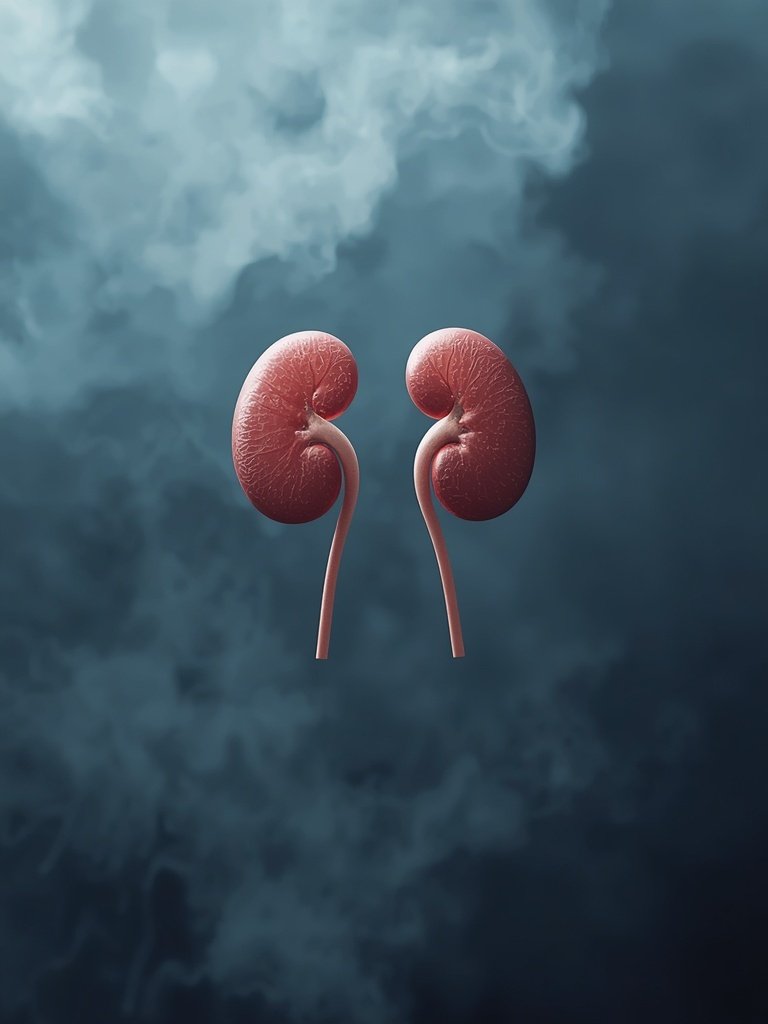
Table of Contents 4
Medical & Editorial Disclaimer (§3 Terms): This article is for informational and educational purposes only, does not constitute medical advice, diagnosis, or treatment, and is used at your own risk. Consult a qualified physician for medical conditions.
The clinical presentation is defined by a substantial loss of protein through the urine, which leads to a decrease in serum albumin levels. This reduction in blood protein lowers the colloid oncotic pressure, frequently resulting in the accumulation of fluid within interstitial tissues, known as edema. Furthermore, the body often exhibits compensatory lipid metabolism disturbances. These complex physiological shifts highlight the importance of addressing both the structural integrity of the kidneys and the systemic consequences of the syndrome.
Practical dietary management focuses on careful titration of protein intake to support renal function without inducing hyperfiltration. Emphasizing high-biological-value proteins while avoiding excessive consumption is a primary objective in renal nutrition. Additionally, strict moderation of sodium intake and careful fluid management are vital to reduce capillary hypertension and mitigate fluid retention. These nutritional strategies should always be implemented under the guidance of healthcare professionals to ensure they are tailored to individual clinical needs.
Renal pathologies, particularly the nephrotic syndrome, manifest through extensive disruption of the glomerular podocyte filtration barrier. This impairment induces massive proteinuria, hypoalbuminemia, profound oncotic peripheral edema, and reactive dyslipidemia. This clinical guide details underlying etiologies, symptomatology, and evidence-based dietary management protocols.
Etiology and Pathophysiology of the Nephrotic Syndrome
The nephrotic syndrome defines a cluster of clinical findings stemming from podocyte effacement and glomerular basement membrane degradation:
- Primary glomerulopathies: In pediatric cohorts, minimal change disease (MCD) accounts for ~85% of cases; in adult cohorts, membranous nephropathy and focal segmental glomerulosclerosis (FSGS) predominate.
- Secondary manifestations: Diabetic kidney disease, lupus nephritis (SLE), and systemic amyloidosis.
- Loss of polyanionic charge: Neutralization of negative heparan sulfate proteoglycan charges permits filtration of polyanionic albumin molecules directly into primary urine.
Clinical Tetrad: Heavy Proteinuria, Hypoalbuminemia, Edema, and Hyperlipidemia
The pathophysiological hallmark presents as a defined clinical tetrad:
- Massive proteinuria: Urinary protein loss exceeding 3.5 g/24 h in adults (>50 mg/kg/day in pediatrics), visibly presenting as frothy urine.
- Hypoalbuminemia and oncotic shifts: Serum albumin plummeting beneath 25–30 g/L depresses plasma colloid oncotic pressure, driving transudative fluid shifts into interstitial spaces, precipitating periorbital and pedal pitting edema and ascites.
- Compensatory hyperlipidemia: Hypoalbuminemic hepatic stimulation upregulates apolipoprotein B synthesis, producing profound hypercholesterolemia and elevated atherogenic LDL.
Medical Nutrition Therapy: Protein Titration, Sodium Restriction, and Fluid Management
Renal dietetics mandates meticulous calibration to curb intraglomerular capillary hypertension:
- Debunking hyperproteinemia: Historical high-protein regimens accelerate glomerular hyperfiltration and progressive glomerulosclerosis. Current guidelines mandate normoprotein intake (0.8–1.0 g/kg/day of high-biological-value protein).
- Strict sodium curtailment: Sodium intake must not exceed 1.5–2.0 g/day (<5 g NaCl) to optimize diuretic response and control extravascular edema and hypertension.
- Fluid and electrolyte balance: Fluid volume is matched to 24-hour urinary output plus 500 ml insensible loss; serum potassium and phosphorus require close titration if renal clearance (eGFR) declines.
The kidney syndrome diet is the rule
Want to apply these guidelines in your daily diet?
Our smart diet generator creates a tailored meal plan in 3 minutes based on the recommendations in this article.

Julia Wójcik
• 25.11.2026Diets Premium Expert
Diets Premium team expert. Specializes in nutrition plans, strength sports, and training plans.