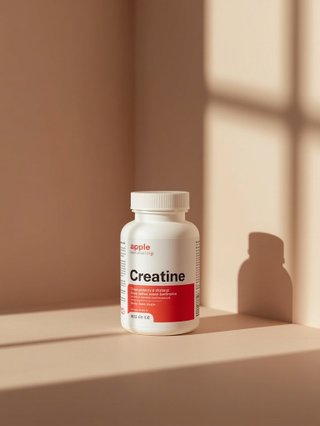
Creatine during a cut. How to lose body fat and protect muscles


Table of Contents 3
Medical & Editorial Disclaimer (§3 Terms): This article is for informational and educational purposes only, does not constitute medical advice, diagnosis, or treatment, and is used at your own risk. Consult a qualified physician for medical conditions.
During periods of reduced energy intake, the body naturally tends to metabolize muscle proteins to meet its fuel requirements. Sustaining full muscle creatine saturation helps maintain high training intensity and mechanical tension, providing the necessary stimulus to prevent lean tissue degradation. Furthermore, the common myth regarding water weight is clarified by cell biomechanics: creatine draws water molecules across cell membranes strictly into the intracellular compartment of muscle fibers. This intracellular hydration gives muscles a denser appearance while structurally reinforcing metabolic signaling.
For practical application, consistent daily intake of creatine monohydrate is recommended, ideally consumed following a workout or alongside a balanced meal. Given the osmotic properties of creatine, maintaining robust and continuous daily fluid intake is crucial. Proper hydration supports metabolic thermogenesis, aids in optimizing cellular function, and contributes to appetite satiety, making the fat loss journey both sustainable and effective.
Using creatine during caloric restriction and fat loss phases is surrounded by enduring misconceptions alleging that it causes unwanted water bloat and impedes weight loss. In scientific reality, creatine represents one of the most potent anticatabolic interventions available to defend lean muscle tissue while operating in an energy deficit.
Preserving Lean Skeletal Muscle During Energy Restriction
During prolonged caloric deficits, an energy-deprived system is primed to cannibalize skeletal muscle proteins via gluconeogenesis. Maintaining creatine saturation sustains high training intensity and mechanical tension, providing the potent anti-catabolic stimulus required to preserve metabolic muscle mass.
The Water Retention Myth: Intracellular Hydration vs Subcutaneous Bloat
Creatine draws water molecules across cellular membranes strictly into the intracellular compartment of myocytes, rather than under the skin. This intracellular cell swelling gives muscle bellies a fuller, denser, and more defined appearance while structurally reinforcing anabolic signaling.
Dosing Protocols, Hydration Standards, and Dietary Synergy
During cutting, a steady daily dose of 3-5 g of creatine monohydrate is optimal, administered consistently post-workout or with a meal. Given creatine's osmotic activity, consuming at least 30-40 ml of fluid per kilogram of body weight daily is mandatory, further assisting metabolic thermogenesis and appetite satiety.
Want to apply these guidelines in your daily diet?
Our smart diet generator creates a tailored meal plan in 3 minutes based on the recommendations in this article.

Isabella Taylor
• 25.11.2026Diets Premium Expert
Diets Premium team expert. Specializes in nutrition plans, strength sports, and training plans.