Creatine monohydrate – support for physical fitness and cognitive function of the body
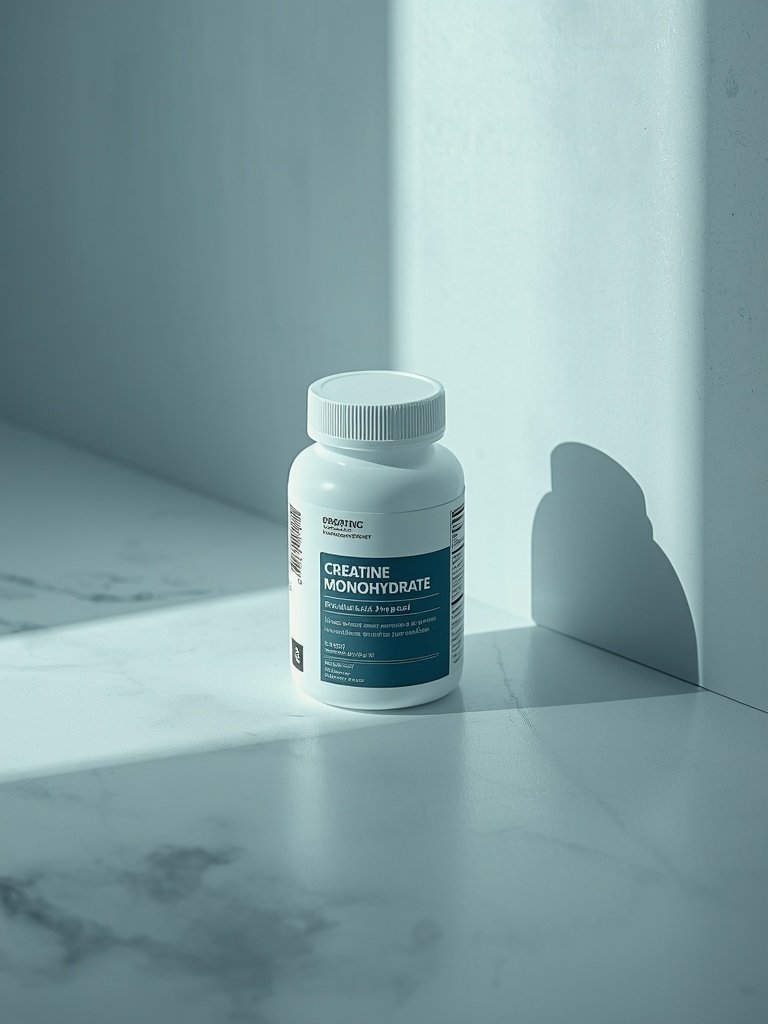
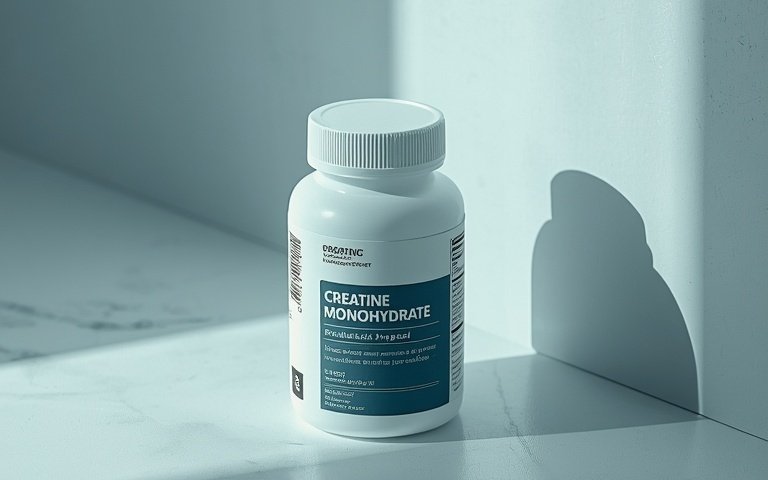
Table of Contents 7
Medical & Editorial Disclaimer (§3 Terms): This article is for informational and educational purposes only, does not constitute medical advice, diagnosis, or treatment, and is used at your own risk. Consult a qualified physician for medical conditions.
The physiological mechanism centers on the intracellular replenishment of adenosine triphosphate, which serves as the primary energy currency for muscle and neural tissues. This process is vital for sustaining high-intensity efforts and protecting cognitive function during periods of fatigue. Extensive clinical research consistently demonstrates that pure monohydrate is highly bioavailable and safe for healthy individuals, effectively debunking historical myths regarding renal stress. Furthermore, the evidence suggests that standard monohydrate remains superior to more expensive synthetic derivatives in terms of efficacy and tissue saturation.
For practical daily use, consistency is the key factor, as cycling the supplement is unnecessary for maintaining optimal levels within the body. It is advisable to prioritize high-quality, certified products to ensure purity and avoid unnecessary additives. By incorporating a steady, daily intake into your routine, you can support sustained muscle fullness, improved recovery, and enhanced cognitive performance, making it a reliable tool for supporting your overall health and fitness goals.
Creatine monohydrate stands as the most extensively researched and empirically validated ergogenic compound in sports nutrition. Beyond its established efficacy in augmenting strength, anaerobic power, and lean muscle mass, cutting-edge neurobiology highlights its vital function in cerebral bioenergetics, cellular neuroprotection, and working memory. This comprehensive review examines intracellular phosphorylation mechanisms, optimal titration protocols, safety profiles, and clinical evidence disproving renal toxicity myths.
Why Choose Pure Creatine Monohydrate Over Exotic Forms?
Despite aggressive commercial promotion of novel variants (malate, ethyl ester, hydrochloride, buffered forms), standard micronized creatine monohydrate exhibits virtually 100% oral bioavailability. Rigorous comparative clinical trials confirm that premium patented monohydrate delivers identical or superior muscle tissue saturation compared to costlier synthetic derivatives.
What is Creatine and How Does it Function Intracellularly?
Creatine is naturally synthesized from arginine, glycine, and methionine within the liver, kidneys, and pancreas. In skeletal muscle and neural tissue, it is converted into phosphocreatine (PCr). During high-intensity metabolic demands, creatine kinase transfers a high-energy phosphate group from PCr to ADP, instantaneously resynthesizing adenosine triphosphate (ATP).
Why Supplement Creatine? Physical and Cognitive Benefits
Supplementation yields multifaceted physiological benefits:
- Musculoskeletal performance: 5–15% increase in maximal power output, enhanced training volume, and upregulation of mTOR signaling for muscle protein synthesis.
- Neurocognitive enhancement: The human brain accounts for roughly 20% of resting basal energy consumption. Saturating neural creatine pools improves working memory, executive function, and mitigates cognitive fatigue during sleep deficit.
- Intracellular cellular hydration: Creatine draws water into myocytes osmotically, increasing cell volume and facilitating anabolic signaling.
Creatine Monohydrate – Observable Effects of Consistent Use
Following 7 to 14 days of standardized intake, skeletal muscle phosphocreatine saturation increases by 20–40%. This manifests in increased muscle fullness, accelerated inter-set recovery, and attenuated post-exercise biochemical damage markers such as lactate dehydrogenase and serum creatine kinase.
Is Cycling Necessary When Taking Creatine?
Contemporary long-term clinical trials spanning up to five years of uninterrupted administration definitively demonstrate that creatine cycling is unnecessary. Receptors do not undergo desensitization, and endogenous biosynthesis promptly returns to physiological baselines within 4–6 weeks upon cessation.
Does Creatine Have Side Effects? Facts and Myths Regarding Renal Health
Several persistent misconceptions surround creatine safety:
- Renal function: Supplemental creatine elevates serum creatinine—a natural breakdown byproduct. This reflects elevated substrate turnover rather than nephron injury. In individuals with healthy kidneys, extensive data confirms absolute safety. For accurate renal assessment, clinicians evaluate Cystatin C.
- Alopecia: A single historical trial suggesting DHT upregulation has never been successfully replicated in subsequent peer-reviewed research.
- Cramping: Empirical evidence indicates creatine hyper-hydrates myocytes, actually reducing heat illness and muscle cramping incidence.
How to Select Safe and Certified Dietary Supplements
Selecting high-grade creatine requires scrutiny of manufacturing purity standards. Independent testing certifications (such as Cologne List or Informed-Sport) ensure the absence of chemical contaminants like dicyandiamide and dihydrotriazine, as well as prohibited substances. A daily maintenance protocol of 3–5 grams is universally recommended.
Want to apply these guidelines in your daily diet?
Our smart diet generator creates a tailored meal plan in 3 minutes based on the recommendations in this article.

mgr Mateusz Pawlak
• 25.11.2026Diets Premium Expert
Diets Premium team expert. Specializes in nutrition plans, strength sports, and training plans.