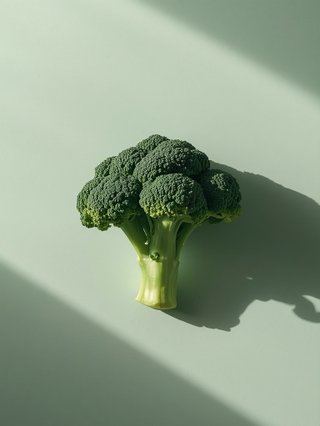
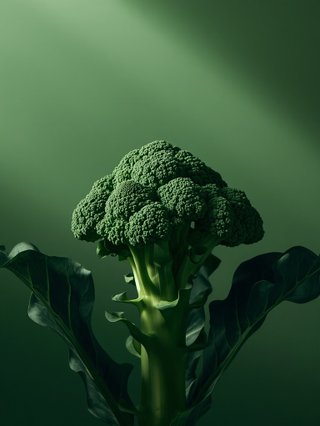
Broccoli: characteristics and cooking principles
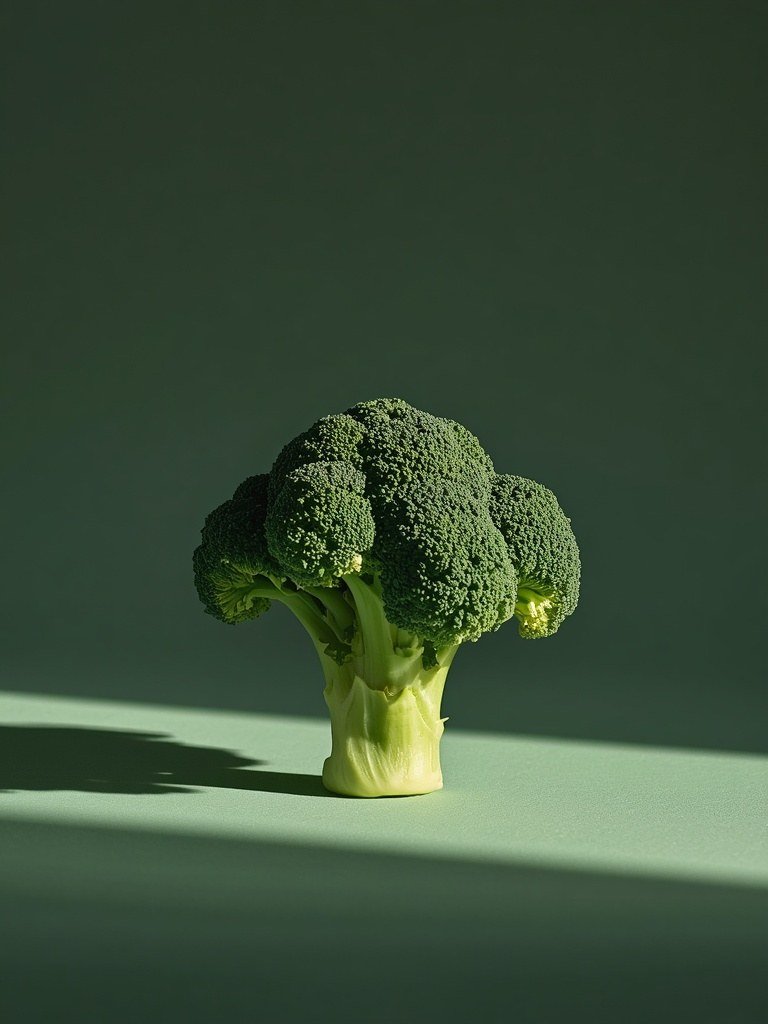

Table of Contents 3
Medical & Editorial Disclaimer (§3 Terms): This article is for informational and educational purposes only, does not constitute medical advice, diagnosis, or treatment, and is used at your own risk. Consult a qualified physician for medical conditions.
From a physiological perspective, the health-supporting profile of broccoli is driven by its rich matrix of bioactive phytochemicals, notably indoles, glucosinolates, and sulforaphane. These compounds play an important role in supporting the natural detoxification pathways of the body by aiding in the neutralization and elimination of unwanted metabolites. Additionally, broccoli provides an abundant supply of ascorbic acid alongside a spectrum of B vitamins, contributing to immune resilience and normal cellular metabolism.
To help readers preserve these delicate micronutrients and achieve the ideal tender-crisp texture, the guide outlines effective thermal preparation techniques. Steaming in a dedicated basket is emphasized as a superior method for nutrient retention compared to traditional boiling in salted water, while brief blanching is recommended when the florets are destined for oven-baked casseroles. Looking toward daily meal planning, the article rounds out with accessible culinary inspirations—ranging from creamy soups and vibrant salads to savory omelets—making it effortless to incorporate this wholesome vegetable into a balanced lifestyle.
This article is professional premium content (PRO) provided in its entirety.
Broccoli: a comprehensive examination of nutritional composition and health-promoting attributes
Broccoli exhibits substantial anticancer potential, attributable to its rich composition of bioactive compounds—including indoles, glucosinolates, and sulforaphane—the latter of which plays a pivotal role in facilitating the body’s detoxification processes by neutralizing and eliminating harmful metabolites and potential carcinogens. Beyond its chemopreventive properties, this cruciferous vegetable serves as an exceptional source of ascorbic acid (vitamin C) as well as an array of B vitamins, most notably folate, the adequate intake of which is critically important during the prenatal period, particularly in the early stages of pregnancy. The mineral profile of broccoli encompasses both macroelements—such as phosphorus, calcium, and magnesium—and microelements, including iron, zinc, copper, and manganese. Despite its relatively challenging digestibility, broccoli offers numerous dietary advantages. Chief among these is its remarkably low caloric density—100 grams of the vegetable contain a mere 30 kilocalories, a direct consequence of its high water content within cellular structures. Furthermore, owing to its low glycemic index (GI = 15), broccoli may be safely incorporated into the diets of individuals managing diabetes or insulin resistance, providing a nutrient-dense option without adverse metabolic effects.
Optimal techniques for preparing broccoli: boiling, steaming, and beyond
Culinary Inspirations with Broccoli: Diverse Recipes for Every Occasion and Meal
Want to apply these guidelines in your daily diet?
Our smart diet generator creates a tailored meal plan in 3 minutes based on the recommendations in this article.

Anna Schmidt
• 25.11.2026Diets Premium Expert
Diets Premium team expert. Specializes in nutrition plans, strength sports, and training plans.