Are potatoes really high in calories? Let's find out how many calories they contain.

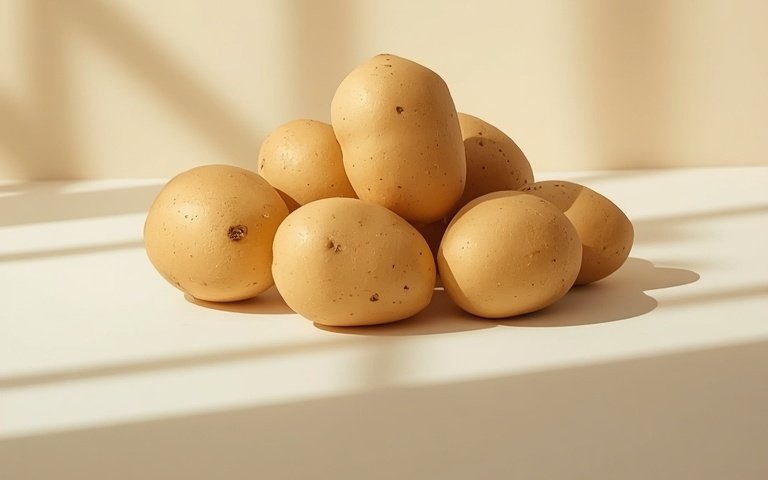
Table of Contents 6
Medical & Editorial Disclaimer (§3 Terms): This article is for informational and educational purposes only, does not constitute medical advice, diagnosis, or treatment, and is used at your own risk. Consult a qualified physician for medical conditions.
The physiological impact of potatoes is deeply tied to processing methods and temperature changes. Naturally rich in potassium, magnesium, vitamin C, and vitamin B-six, potatoes also offer dietary fiber that supports digestive health. When boiled and subsequently cooled, their digestible starches transform into resistant starch. This prebiotic fiber nourishes beneficial gut bacteria and plays a key role in moderating postprandial blood glucose responses, mitigating sharp glycemic fluctuations.
To optimize health benefits in daily meals, potatoes should preferably be steamed, baked in their skins, or boiled rather than fried or combined with heavy, high-fat sauces. Consumers should select firm tubers with smooth skin, avoiding any specimens with green discoloration or sprouts due to naturally occurring glycoalkaloids. Steering clear of heavily processed pre-packaged fries helps minimize excessive sodium and fat intake, allowing this traditional staple to support overall well-being.
This article is professional premium content (PRO) provided in its entirety.
Are the potatoes fat?
How many calories do potatoes have?
The properties and nutrients of potatoes
The glycemic index of potatoes
How do you eat potatoes so you don't get fat?
Potatoes in our diet, something worth paying attention to
Want to apply these guidelines in your daily diet?
Our smart diet generator creates a tailored meal plan in 3 minutes based on the recommendations in this article.

mgr David Janitzek
• 25.11.2026Diets Premium Expert
Diets Premium team expert. Specializes in nutrition plans, strength sports, and training plans.