5 min read
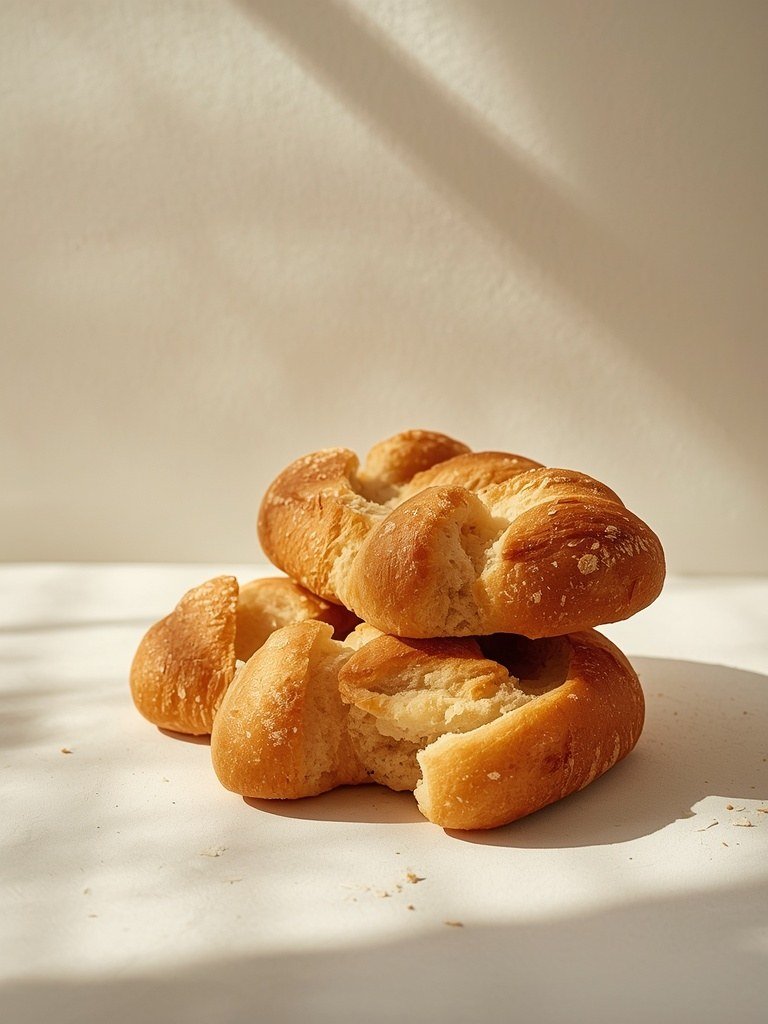
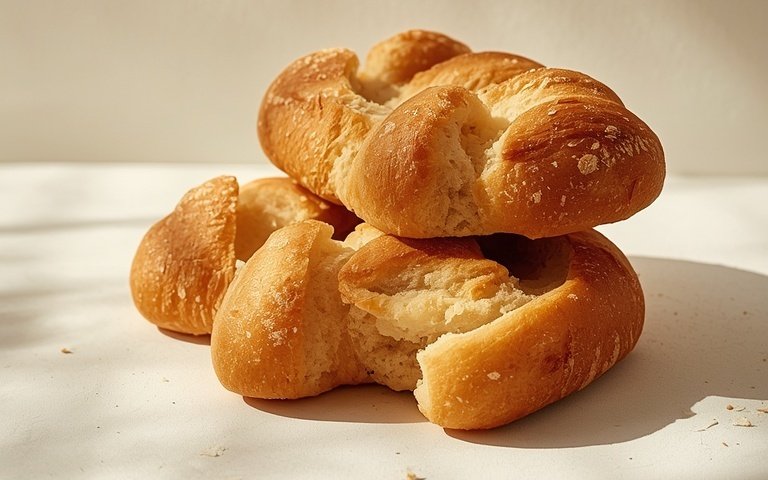
Stale bread – causes of staling, prevention methods, and ways to use it
1 photo
919
Smart Voice
AI
0:00
0:00
Listen to the article content live
Table of Contents 3
Medical & Editorial Disclaimer (§3 Terms): This article is for informational and educational purposes only, does not constitute medical advice, diagnosis, or treatment, and is used at your own risk. Consult a qualified physician for medical conditions.
Clinical E-Books & Diet Plans:
Explore E-Books & Plans →
Key Takeaways
Bread is a fundamental staple in human nutrition that inevitably loses its freshness over time, a process that often leads to unnecessary food waste. Understanding the science behind this transformation is essential for anyone looking to manage their kitchen supplies more effectively and sustainably. By learning why bread changes texture, we can adopt better storage habits and develop a deeper appreciation for this essential source of energy.
At the heart of bread staling lies the process of starch retrogradation, where the structural starch forms that were reorganized during the baking process gradually revert to a more rigid state. This change is heavily influenced by the loss of moisture and the natural aging of the starch molecules. To delay this, professional bakers utilize techniques such as selecting flours with higher protein content to retain moisture or adjusting steaming methods to ensure the starch absorbs and holds water more effectively throughout the baking cycle.
Practical solutions for the home kitchen include simple methods to refresh older loaves, such as introducing moisture through steam in an oven to restore a pleasant texture. When bread has passed the point of simple refreshing, it remains a valuable ingredient that can be repurposed into various culinary creations, such as homemade breadcrumbs or other creative recipes. Embracing these strategies helps reduce waste and ensures that every loaf is utilized to its fullest potential within a balanced and mindful diet.
Bread is a foundational staple in human nutrition that inevitably loses freshness over time due to starch retrogradation. Rather than wasting stale loaves, discover the science behind bread staling, effective storage methods, and delicious ways to repurpose it in the kitchen.
01 / 03
Why Does Bread Go Stale? The Science of Starch Retrogradation
The main ingredients used for baking bread are mainly flour, water, yeast and salt. Baking dough is a starch ingredient that is fermented or hydrated during the baking process, resulting in the disorganization of the structural starch forms. After baking a loaf of bread, the baked water evaporates in the form of water vapor, which leads to the fermentation of previously fermented untreated bread back into the processed form. baking depends precisely on the changes in the starch structure during the process, which starts from the process of baking the dough into a processed dough, which is accompanied by the preparation of the product, which, as a normal process, produces more delicate starch.
02 / 03
How to Inhibit and Delay Bread Staling
The process of fermentation can be delayed or prolonged by using a number of techniques. The two methods are the most natural way to slow down the fermentation process. For the remaining examples of prolongation, high-gluten flour, i. e. wheat or rye flour causes water to be retained for longer in the bakery. Bakers can also store a portion of the flour to improve the steaming of the starch, which shows an increase in the absorption of water at higher temperature. Both methods are perfectly natural ways to inhibit the baking process.
03 / 03
Creative Culinary Uses for Stale Bread
We can refresh stale bread by placing it in the oven with a pan filled with water, which aims to create steam and rehydrate the bread, or use one of the methods for using older bread or rolls. Homemade breadcrumbs – we leave the excess bread on a plate until the bread is completely dry, and then grind it in a blender or meat grinder. French toast – soak stale slices of bread in a batter made from beaten egg, milk, and vanilla sugar, then fry on both sides. From stale bread, we can make croutons, which are great for vegetable cream soups. Cut the bread into cubes, put it in a dry pan or with melted butter, and fry until the cubes turn golden brown. Stale bread can be soaked in milk and added to ground meat to thicken its consistency. Additionally, this treatment will make the cutlets more moist after thermal processing. A very popular dessert in the UK is bread pudding made from stale bread. The recipe is extremely simple. Place the stale bread, chopped into smaller pieces, in a heat-resistant dish, then pour over it a mixture prepared from eggs, milk, cream, and sugar, with optional additions of dried fruits or nuts, and then bake in the oven. Bread is one of the main foods eaten every day, but its drawback is its short shelf life. The process of bread going stale is inevitable, but by choosing high-quality products, we can enjoy its fresh taste for longer. If we have a large amount of stale bread at home, instead of throwing it away, it is worth making breadcrumbs or croutons for soup, or tasty French toast for children for breakfast.
Meal Plan
Want to apply these guidelines in your daily diet?
Our smart diet generator creates a tailored meal plan in 3 minutes based on the recommendations in this article.

Mia Hoffmann
• 25.11.2026Diets Premium Expert
Diets Premium team expert. Specializes in nutrition plans, strength sports, and training plans.