4 min read

An Adequate Diet is the Key to Success
An Adequate Diet is the Key to Success
1 photo
2653
Smart Voice AI
0:00
0:00
Listen to the article content live
Table of Contents 5
Key Takeaways
Welcome to our health blog. In this article, we'll discuss the secrets of foods that can help maintain health and improve well-being. Why do some people feel particularly energetic after eating certain foods? The answer lies in the differences between individual body needs. Research suggests that different diets can help reduce the risk of diseases such as type 2 diabetes and heart disease. However, it's important to note that there isn't a one-size-fits-all diet that works for everyone. Our bodies require an adequate amount of nutrients, including proteins, fats, carbohydrates, vitamins, and minerals. The best way to meet these needs is through a balanced diet that's rich in fresh produce and limits the intake of processed foods. Remember to also engage in regular physical activity and adequate rest to support the body's health and energy levels.
People who start strength training often look for shortcuts in terms of nutrition. The diet is not properly followed or, worse, not properly balanced. An adequate diet is an essential component of body training. Without it, the results are disappointing. It doesn't have to be a diet that adapts to the blood group, which causes a lot of controversy. The diet should be designed according to personal preferences and health status. However, an adequate diet does not mean nutritional suffering. So why not give it a try?
01 / 05

These are the fats

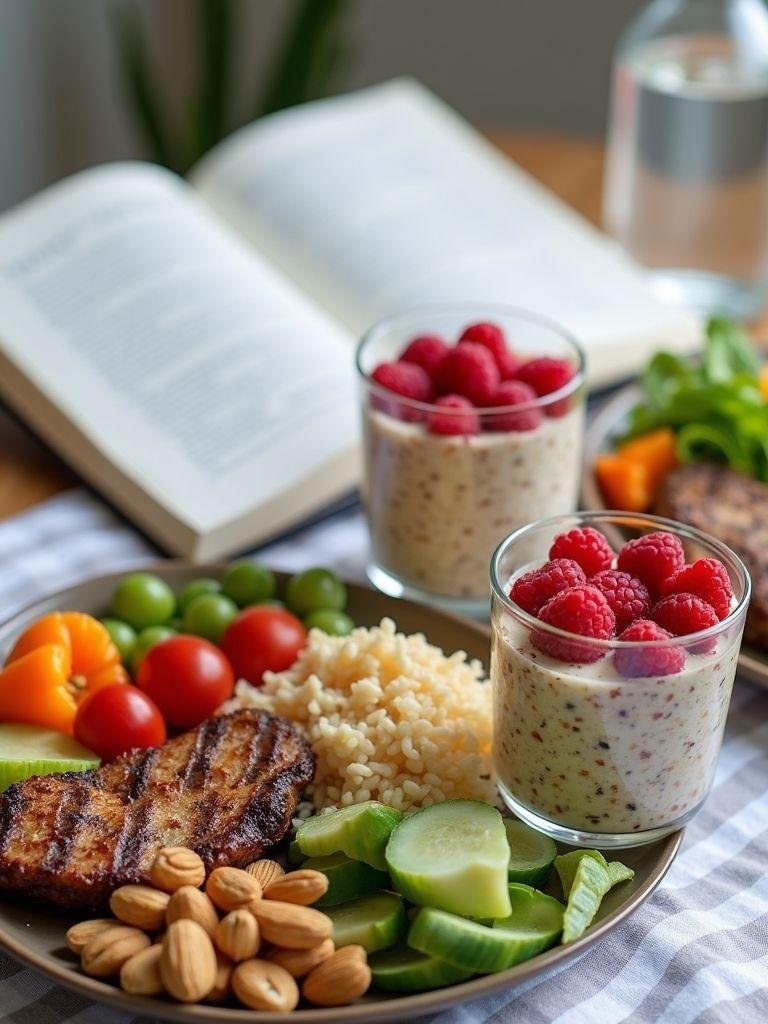
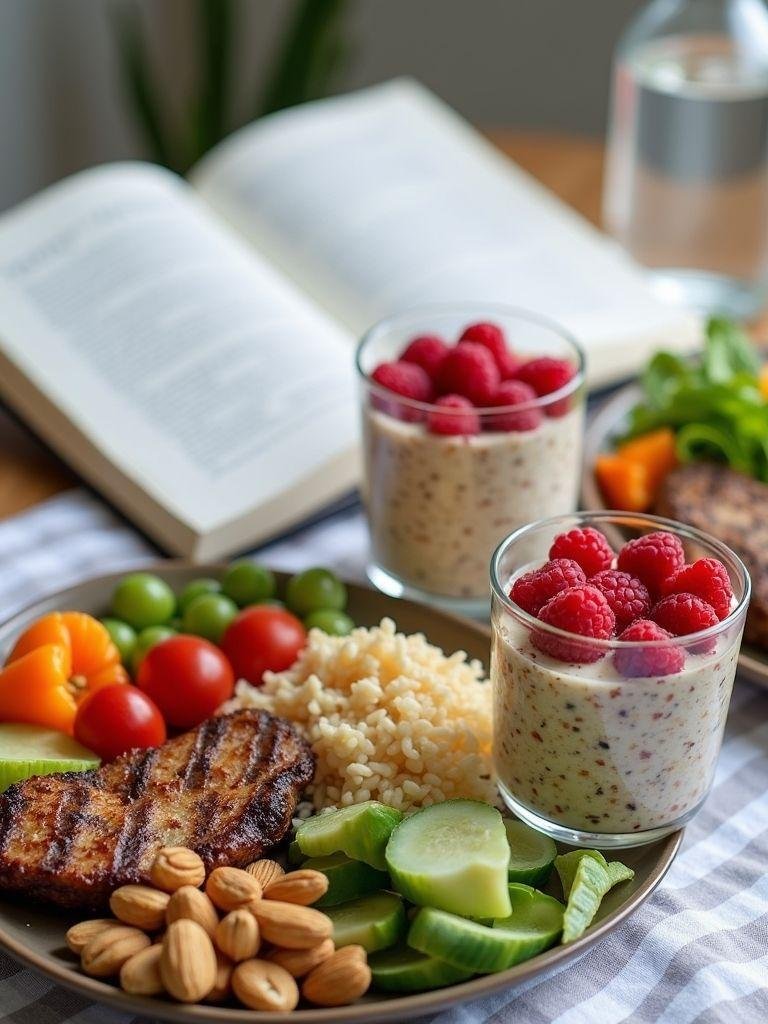
Filet from chicken breast potatoes oil from grapefruit seeds fillet from turkey breast white basmati rice flaxseed oil beef, flank fillet brown rice olive oil veal groats (every type) avocado salmon buckwheat noodles egg yolk cod rye bread nuts, e.g. Italian, almonds eggs (particularly egg whites) oatmeal whey protein lean quark It is essential to provide the body with an adequate amount of vegetables that should be added to each food, ensuring that the body gets the necessary micronutrients – minerals and vitamins. It is essential to remember that vegetables and fruits, immediately after physical activity, form the basis of the currently valid healthy eating pyramid. This means that their share in the daily diet should be the largest. It is very important to maintain the proper ratio of vegetable and fruit consumption. During the day, the correct ratio is ¾ – vegetables, ¼ – fruits. Fruits should be eaten in smaller amounts due to the high content of simple sugars, such as fructose. 2. Diet – tips Aspects that must be taken into account when composing a diet: – the optimal number of meals per day is between 4 and 6, usually there are 5 meals; – meals should be eaten at intervals of 3 to 4 hours, so that our body has access to nutrients all day long; – breakfast is best eaten up to an hour after waking up – in this way, nutrients are supplied to the body as quickly as possible, and the negative influence of night catabolism on the muscles is inhibited; – the myth that needs to be debunked is that one should not eat after 6 pm – in fact, the time of meals depends only on our lifestyle. For someone who gets up at 5 am, goes to bed around 9 pm, and takes three-hour breaks between meals, the 5th meal will fall at 7 pm. While someone who gets up at 9 am and goes to bed at midnight will have the last meal around 10 pm. It is worth paying attention to having the last meal 2-3 hours before going to bed; – one should remember that on training days, after training, another meal is added to the menu. At that time, it is best to eat easily digestible protein, such as protein isolate and complex carbohydrates, such as white rice. This will provide a boost of necessary nutrients and replenish glycogen losses that occur during training; – on non-training days, it is worth drinking 2-3 liters of mineral water (not spring water), while on training days, water consumption increases appropriately to our needs and usually ranges from 3 to even 5 liters! Everything depends on the estimated fluid intake (1 kcal = 1 ml fluid) and the duration of the training. All kinds of teas (except black tea) and herbal infusions are also allowed; – vegetables – they should be added to every meal! They are the vegetables and fruits that come from the group of products that should be consumed to provide minerals and vitamins. 3. Inadequate diet – what to avoid? A balanced diet does not take into account sweets, sweet drinks, highly processed products, corn products, caloric sauces, fast food, fatty meats. It is also worth trying to eliminate all kinds of snacks. Many trainers recommend avoiding milk, dairy products, and curd. However, avoiding milk only makes sense if a person has problems with digesting lactose, although on the other hand, it does not contain many nutrients. However, it is not necessary to exclude natural yogurt, which can be a great addition to salads and lean curd. 4. And what if eating a meal is not possible? A balanced diet does not have to be boring. In case eating a full-fledged meal is not possible, a shake can also be a solution! There are hundreds of recipes for such liquid dishes, but the simplest one is to mix whey protein powder with the desired taste, oatmeal, and nuts.
02 / 05

Nutritional food ingredients

– Rolled oats – 30 g (3 teaspoons) – Protein nutritional supplement isolate – 30 g (1 part) – Almonds – 10 g (0, 67 teaspoons) – Low-fat curd cheese – 50 g (0,25 package) – Frozen raspberries – 150 g (0,3 package) – Consumption milk 1.5% fat – 250 g (1 glass).
03 / 05

Necessary time for preparation:

Preparing this nutritious shake requires merely five minutes. It represents the perfect solution for busy individuals needing a swift, nutrient-complete post-workout meal or an energizing breakfast on the go.

04 / 05

The procedure of preparation

Insert all the ingredients into the mixer, then carefully blend them all together.
05 / 05

Nutrient content in the entire meal portion

– Energy – 509.5 kcal – Protein – 51.2 g – Fats – 12.1 g – Carbohydrates – 42.1 g – Fiber – 14.1 g.
Meal Plan

Want to apply these guidelines in your daily diet?

Our smart diet generator creates a tailored meal plan in 3 minutes based on the recommendations in this article.

Oliwia Kaczmarek
Scientifically reviewed by a clinical dietitian • 18.03.2026

Oliwia Kaczmarek

Diets Premium Expert

Diets Premium team expert. Specializes in nutrition plans, strength sports, and training plans.

USDA FoodData Central EFSA PubMed Clinical Guidelines
Loading
Recommended articles in this category

Related Articles

Discover similar publications and expert insights.

Unexplored Dimensions of Healthy Meat Grilling: Evidence-Based Science for Safe, Nutrient-Preserving Culinary Barbecue
Grilling Techniques

Unexplored Dimensions of Healthy Meat Grilling: Evidence-Based Science for Safe, Nutrient-Preserving Culinary Barbecue

⏱ 1 min czytania
#Grilling Techniques #Nutritional Value
Sheep’s Milk Cheeses: Nutritional Architecture, Health Benefits, Bioactive Peptides, and Digestive Tolerance
Fat-Soluble Vitamins

Sheep’s Milk Cheeses: Nutritional Architecture, Health Benefits, Bioactive Peptides, and Digestive Tolerance

⏱ 3 min czytania
#Fat-soluble Vitamins #Bioactive Compounds
Mascarpone Cheese: Velvety Italian Delicacy, Culinary Heritage, Nutritional Profile, and Gastronomic Uses
Cream Cheese

Mascarpone Cheese: Velvety Italian Delicacy, Culinary Heritage, Nutritional Profile, and Gastronomic Uses

⏱ 2 min czytania
#Cream Cheese #Sweet Flavor
Durum Wheat (Triticum durum): Semolina Properties, Health Attributes, and Selection Criteria for Premium Pasta
Complex Carbohydrates

Durum Wheat (Triticum durum): Semolina Properties, Health Attributes, and Selection Criteria for Premium Pasta

⏱ 3 min czytania
#Complex Carbohydrates #Gluten Sensitivity
Whole Grain Flours in Practice: Wheat, Rye, Spelt, and Brown Rice – Nutritional Characteristics, Culinary Applications, and Health Benefits
Nutritional Benefits

Whole Grain Flours in Practice: Wheat, Rye, Spelt, and Brown Rice – Nutritional Characteristics, Culinary Applications, and Health Benefits

⏱ 3 min czytania
#Nutritional Benefits #Whole Grain Flour
Psychotherapy and Professional Mental Health Support: Navigating High-Quality Psychological and Psychiatric Care
Assistance

Psychotherapy and Professional Mental Health Support: Navigating High-Quality Psychological and Psychiatric Care

⏱ 5 min czytania
#Assistance #Mental
What to Eat in the Evening: Recommended vs. Forbidden Foods for Dinner – Optimal Nutrition for Sleep and Metabolism
Pregnancy & Motherhood

What to Eat in the Evening: Recommended vs. Forbidden Foods for Dinner – Optimal Nutrition for Sleep and Metabolism

⏱ 3 min czytania 📚 Pregnancy & Motherhood
#Metabolism #Breakfast
Quince Fruit Specialties: Beverages, Traditional Tinctures, Confitures, and Health Benefits
Maintenance

Quince Fruit Specialties: Beverages, Traditional Tinctures, Confitures, and Health Benefits

⏱ 10 min czytania
#Maintenance #Tart Flavor
Postpartum Psychosis: Clinical Recognition, Etiology, Diagnostic Signs, and Emergency Psychiatric Intervention
Pregnancy & Motherhood

Postpartum Psychosis: Clinical Recognition, Etiology, Diagnostic Signs, and Emergency Psychiatric Intervention

⏱ 3 min czytania 📚 Pregnancy & Motherhood
#Mental Health #Anxiety
Psychological Dimensions of Living with Obesity: Stigma, Self-Worth, and Pathways to Self-Compassion
Pregnancy & Motherhood

Psychological Dimensions of Living with Obesity: Stigma, Self-Worth, and Pathways to Self-Compassion

⏱ 3 min czytania 📚 Pregnancy & Motherhood
#Adipose Tissue #Obesity
Aromatic Culinary Herbs and Spices: Revolutionizing Flavor Profiles and Slashing Dietary Sodium
Metabolic Efficiency

Aromatic Culinary Herbs and Spices: Revolutionizing Flavor Profiles and Slashing Dietary Sodium

⏱ 5 min czytania
#Metabolic Efficiency #Herbs And Spices
Psychodietetics: The Crucial Role of Mindset in Long-Term Lifestyle and Body Transformation
Body Composition

Psychodietetics: The Crucial Role of Mindset in Long-Term Lifestyle and Body Transformation

⏱ 4 min czytania
#Body Composition #Psychodietetics
Dietary Factors and Foods that Impair Metabolic Rate: Scientific Evidence vs. Popular Myths
Metabolic Processes

Dietary Factors and Foods that Impair Metabolic Rate: Scientific Evidence vs. Popular Myths

⏱ 3 min czytania
#Metabolic Processes #Micronutrients
The Psychological Consequences of Restrictive Dieting: Mood Disorders, Caloric Obsession, and Neurobiological Adaptations
Dietary Patterns

The Psychological Consequences of Restrictive Dieting: Mood Disorders, Caloric Obsession, and Neurobiological Adaptations

⏱ 3 min czytania
#Dietary Patterns #Metabolic
Psychoactive Compounds with Remarkable Properties: The Psychedelic Renaissance in Modern Neuropsychiatry
Mental Health

Psychoactive Compounds with Remarkable Properties: The Psychedelic Renaissance in Modern Neuropsychiatry

⏱ 5 min czytania
#Mental Health #Schizophrenia
Leadership Character and Core Competencies in Team Governance: Organizational Resilience in Times of Transformation
Competitive

Leadership Character and Core Competencies in Team Governance: Organizational Resilience in Times of Transformation

⏱ 3 min czytania
#Competitive #Strategic
Psychodietetics: The Pivotal Role of Mindset in Sustainable Weight Loss and Body Transformation
Weight Management

Psychodietetics: The Pivotal Role of Mindset in Sustainable Weight Loss and Body Transformation

⏱ 4 min czytania
#Weight Management #Psychodietetics
Comprehensive Guide to Asparagus Preparation: Peeling Techniques, Optimal Cooking Methods, Freezing Protocols, and Serving Suggestions
Pregnancy & Motherhood

Comprehensive Guide to Asparagus Preparation: Peeling Techniques, Optimal Cooking Methods, Freezing Protocols, and Serving Suggestions

⏱ 5 min czytania 📚 Pregnancy & Motherhood
#Crisp Texture #Vegetable
Clinical Psychology: Comprehensive Guide to Evidence-Based Research, Diagnostics, and Professional Practice
Healthy Lifestyle

Clinical Psychology: Comprehensive Guide to Evidence-Based Research, Diagnostics, and Professional Practice

⏱ 2 min czytania
#Healthy Lifestyle
The Role of Herbs and Spices in Pediatric Nutrition: Beneficial, Safe, and Prohibited Flavorings
Children's Nutrition

The Role of Herbs and Spices in Pediatric Nutrition: Beneficial, Safe, and Prohibited Flavorings

⏱ 4 min czytania
#Children's Nutrition #Flavor Enhancers
Curry Spice Blend: Composition Analysis, Health Potential, Curcumin Mechanisms, and Culinary Applications
Health Benefits

Curry Spice Blend: Composition Analysis, Health Potential, Curcumin Mechanisms, and Culinary Applications

⏱ 4 min czytania
#Health Benefits #Curry Sauce
Rainbow Trout: Aquaculture Insights, Nutritional Profile, Omega-3 Fatty Acids, and Culinary Inspirations
Culinary Versatility

Rainbow Trout: Aquaculture Insights, Nutritional Profile, Omega-3 Fatty Acids, and Culinary Inspirations

⏱ 3 min czytania
#Culinary Versatility #Culinary Techniques
Psychodietetics: A Holistic Approach to Sustainable Habit Change and Harmonious Eating Relationships
Sustainable Weight Management

Psychodietetics: A Holistic Approach to Sustainable Habit Change and Harmonious Eating Relationships

⏱ 3 min czytania
#Sustainable Weight Management #Dietary Guidelines
The Psychological Foundations of Successful Weight Loss: Motivation, Habits, and Identity Transformation
Nutritional Guidelines

The Psychological Foundations of Successful Weight Loss: Motivation, Habits, and Identity Transformation

⏱ 5 min czytania
#Nutritional Guidelines #Dietary Habits

Why Can’t You Stop Overeating? The Psychological and Neurobiological Mechanisms of Compulsive Eating
Cake

Why Can’t You Stop Overeating? The Psychological and Neurobiological Mechanisms of Compulsive Eating

⏱ 5 min czytania
#Cake
Etiological Drivers of Constipation and Evidence-Based Non-Pharmacological Strategies: Diet, Fiber, and Lifestyle
Dietary Interventions

Etiological Drivers of Constipation and Evidence-Based Non-Pharmacological Strategies: Diet, Fiber, and Lifestyle

⏱ 3 min czytania
#Dietary Interventions #Insoluble Fiber
Chronic Pancreatitis: Clinical Manifestations, Medical Management, and Dietary Guidelines

Nutrition Recommendations

Chronic Pancreatitis: Clinical Manifestations, Medical Management, and Dietary Guidelines

⏱ 5 min czytania
#Nutrition Recommendations #Dietary Recommendations
Male Infertility: Etiological Factors, Diagnostic Modalities, Lifestyle Medicine, and Targeted Clinical Nutrition
Pregnancy & Motherhood

Male Infertility: Etiological Factors, Diagnostic Modalities, Lifestyle Medicine, and Targeted Clinical Nutrition

⏱ 4 min czytania 📚 Pregnancy & Motherhood
#Healthy Lifestyle #Pregnancy
Psychological and Behavioral Determinants of Overeating: From Emotional Hunger to Binge Eating Disorders
Appetite Regulation

Psychological and Behavioral Determinants of Overeating: From Emotional Hunger to Binge Eating Disorders

⏱ 3 min czytania
#Appetite Regulation #Appetite Control
Chronic Kidney Disease: Dietary Management and Clinical Therapeutic Meal Plan
Nutrition Recommendations

Chronic Kidney Disease: Dietary Management and Clinical Therapeutic Meal Plan

⏱ 5 min czytania
#Nutrition Recommendations #Dietary Recommendations
For Trainees

Latest Diets

Discover other diet plans with similar goals and nutrients.

Share