Mascarpone Cheese – a delicate delicacy with a creamy consistency, history, properties, and culinary uses
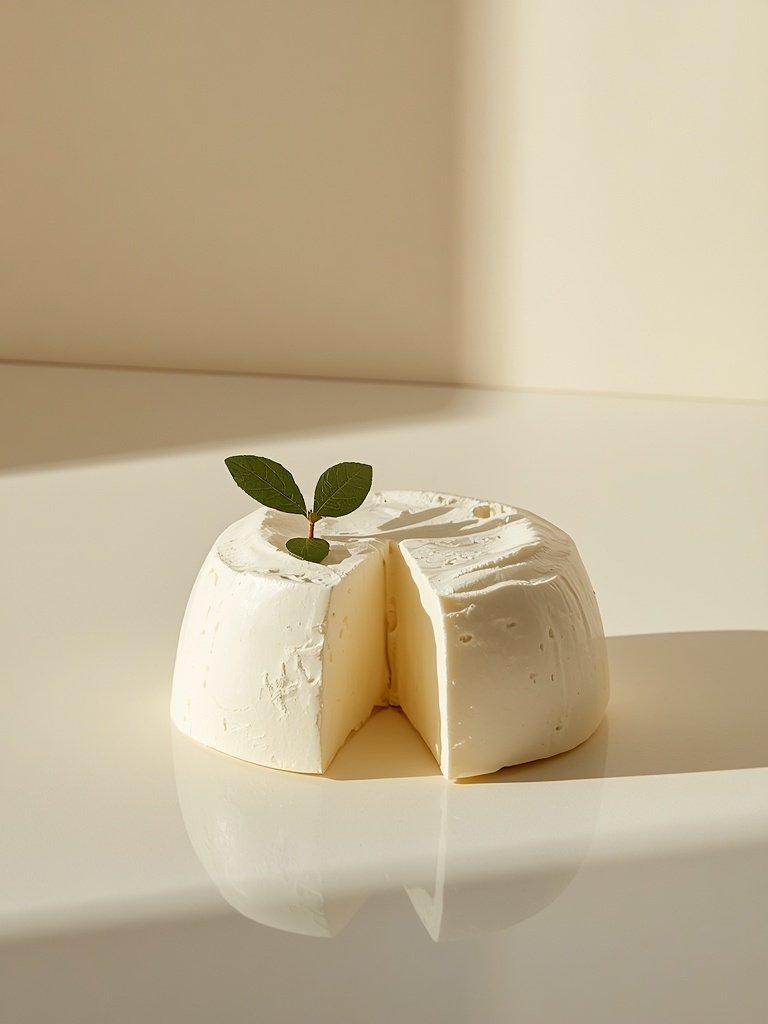
Table of Contents 4
Medical & Editorial Disclaimer (§3 Terms): This article is for informational and educational purposes only, does not constitute medical advice, diagnosis, or treatment, and is used at your own risk. Consult a qualified physician for medical conditions.
From a physiological perspective, mascarpone is a rich source of bioavailable vitamin A, which supports skin health and cellular renewal, alongside calcium and phosphorus for skeletal integrity. Unlike traditional cheeses produced with rennet, mascarpone is crafted through the acid-coagulation of heavy cream, resulting in a unique molecular structure that is both spreadable and stable. This process preserves the delicate flavors of the cream while providing a concentrated source of fat-soluble nutrients that contribute to overall metabolic well-being.
Practical application in the kitchen reveals mascarpone as a versatile tool for both sweet and savory creations. It acts as an exceptional emulsifier in pasta sauces and risottos, providing a silky finish without overwhelming other ingredients. In confectionery, it provides the structural heart of authentic desserts and fruit-based mousses. By using mascarpone to enhance the texture and flavor profile of whole-food ingredients, home cooks can create deeply satisfying meals that honor traditional Italian heritage and support a holistic approach to nutrition.
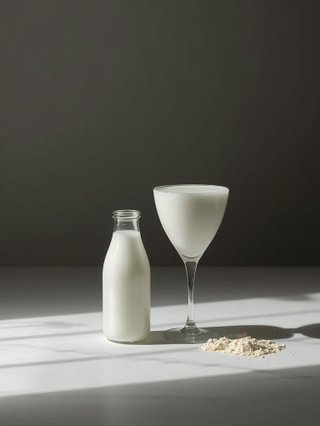
Mascarpone stands as one of the most luxurious and celebrated fresh cheeses of Italy, originating in the fertile agricultural meadows of Lombardy. Renowned for its dense, velvety, spreadable texture and subtle buttery sweetness, it elevates contemporary culinary creations. Technically classified as a curd cheese, it is produced not from skimmed or whole milk, but from pure dairy cream coagulated via organic acids. While calorie-dense and lipid-rich, it serves as the irreplaceable heart of authentic confectionery classics—most famously traditional Tiramisù—as well as rich savory sauces.
Origins, Culinary Heritage, and Acid-Coagulation Production Technology
Mascarpone originated in the late 16th and early 17th centuries in the Lombard region surrounding Lodi and Abbiategrasso. The nomenclature likely derives from the local dialect word mascherpa, signifying milk cream. Its manufacturing technology diverges completely from traditional rennet-coagulated cheeses: fresh heavy bovine cream (skimmed from grass-fed cattle milk) is heated precisely to 85–90°C. Food-grade organic acid (citric, tartaric, or lemon juice) is folded into the hot cream, triggering gentle acid-thermal precipitation of whey proteins and casein. The coagulum is gently drained through fine woven cheesecloths for 24 hours under refrigeration, yielding an unaged, silky emulsion without animal rennet.
Nutritional Profile: Caloric Density, Lipid Fractions, Fat-Soluble Vitamins, and Calcium
Mascarpone is an energy-dense functional dairy ingredient: a 100 g portion supplies approximately 400–450 kcal and 40–47 g of lipids, predominantly saturated milk fats derived directly from fresh cream. It provides 3–5 g of protein and trace carbohydrate (2–3 g residual lactose). Micronutrition-wise, mascarpone delivers notable amounts of bioavailable preformed vitamin A (retinol) supporting epithelial renewal, cholecalciferol (vitamin D), calcium, and phosphorus. While individuals on hypocaloric diets should enjoy it mindfully in moderate portions, it serves as a clean, luxurious fat source in ketogenic (keto) and low-carbohydrate nutrition protocols.
Confectionery Mastery: The Secrets of Authentic Tiramisù and Fruit Creams
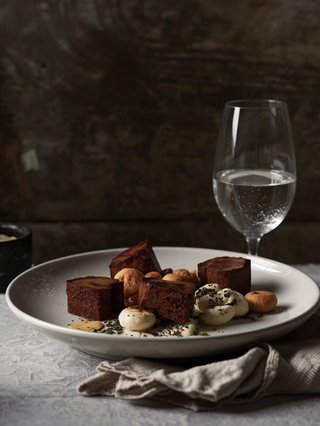
Authentic Italian Tiramisù is inconceivable without pristine artisanal mascarpone. In the canonical Venetian formulation, chilled mascarpone is folded into fresh egg yolks sabayon whipped with fine sugar and lightened with stiff egg whites, layered over espresso- and amaretto-steeped savoiardi ladyfingers and finished with raw bitter cocoa. In fine pastry making, mascarpone serves as an exceptional structural stabilizer: whipped together with heavy whipping cream and fruit purees (raspberries, passion fruit), it creates an unctuous, firm frosting that resists weeping and eliminates the need for commercial gelatin.
Savory Gastronomy: Velvety Pasta Sauces, Enriched Soups, and Creamy Risotto
While widely associated with sweet confections, mascarpone plays an equally profound role in savory Italian gastronomy. Folding two to three tablespoons of mascarpone into simmering tomato-basil marinara mutes sharp tomato acidity while creating a silky sauce. It performs superbly in skillet pasta dishes featuring wild salmon, baby spinach, and garlic, seamlessly emulsifying with starchy pasta cooking water. In authentic risotto finishing (la mantecatura), vigorously stirring in mascarpone alongside aged Parmigiano off the heat delivers transcendent creaminess. It equally enriches autumnal squash, wild mushroom, and asparagus soups.
Want to apply these guidelines in your daily diet?
Our smart diet generator creates a tailored meal plan in 3 minutes based on the recommendations in this article.

Alicja Kowalska
• 25.11.2026Diets Premium Expert
Diets Premium team expert. Specializes in nutrition plans, strength sports, and training plans.