3 min read
Agave nectar – a sweet way to lose weight
1 photo
840
Smart Voice
AI
0:00
0:00
Listen to the article content live
Table of Contents 4
Medical & Editorial Disclaimer (§3 Terms): This article is for informational and educational purposes only, does not constitute medical advice, diagnosis, or treatment, and is used at your own risk. Consult a qualified physician for medical conditions.
Clinical E-Books & Diet Plans:
Explore E-Books & Plans →
Key Takeaways
Agave nectar has gained considerable popularity as a plant-based sweetener, particularly among individuals looking to manage their body weight or make more mindful choices regarding dietary sugars. This article examines the botanical origins, production process, and nutritional characteristics of agave syrup to help readers form an evidence-based perspective on its role in weight management.
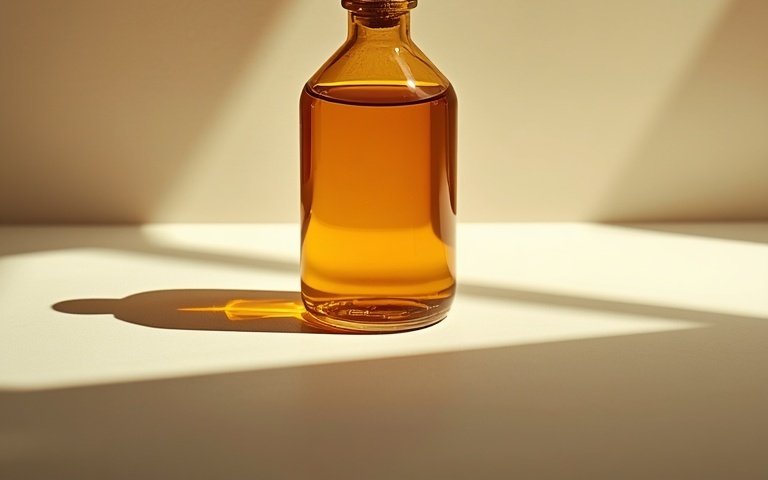
Derived primarily in Mexico from succulent species such as Agave salmiana and Agave tequilana, the nectar comes from thick-leaved plants native to regions stretching from the southern United States to northern South America. Manufacturers extract juice from the core of the plant, then filter and heat it to hydrolyze complex carbohydrates into simple sugars, predominantly fructose. Because of its substantial fructose content, this dense, golden-brown liquid—which resembles runny honey and develops a richer caramel flavor in darker varieties—exhibits a low glycemic index and glycemic load, thereby avoiding rapid spikes in blood insulin levels.
In everyday culinary practice, agave syrup can serve as a useful alternative to refined table sugar during calorie-controlled diets. Because it possesses a lower caloric density alongside a noticeably stronger sweetening power than crystalline sugar, smaller quantities are needed to achieve the desired taste, effectively lowering the overall energy contribution from sweeteners. As with any concentrated source of simple sugars, incorporating agave nectar in moderation remains essential for supporting long-term metabolic and nutritional balance.
Agave nectar is increasingly being chosen as a product in our market. It is believed that it can be safely used during weight reduction. Is that true? Here is an article that will help you form an opinion on this matter.
01 / 04
Agawa
Agawa (agave L.) is a plant in the agave family. There are over a hundred species and it can be found growing wild in areas from the southern United States to the northern part of South America. It is succulent, its leaves are thick and fleshy, terminated by sharp stems. Its flowering period occurs only once in life, usually at the age of 5 15 years, although there are also species that bloom at 100 years.
02 / 04
Containing by weight 5% or more but not more than 5% of sugar
Agave nectar is produced in Mexico from certain species of the plant, most notably Agave salmiana and Agave tequilana. It is obtained by pressing the juice from the kernel, which is then filtered and heated to hydrolyze carbohydrates composed of simple sugars, mainly fructose.
03 / 04
The properties of agave syrup
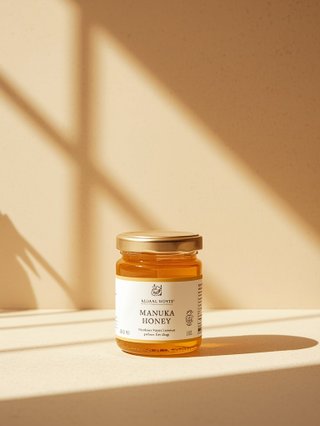
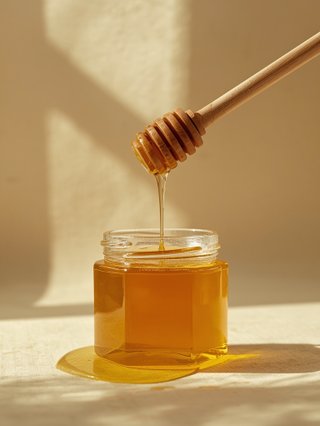
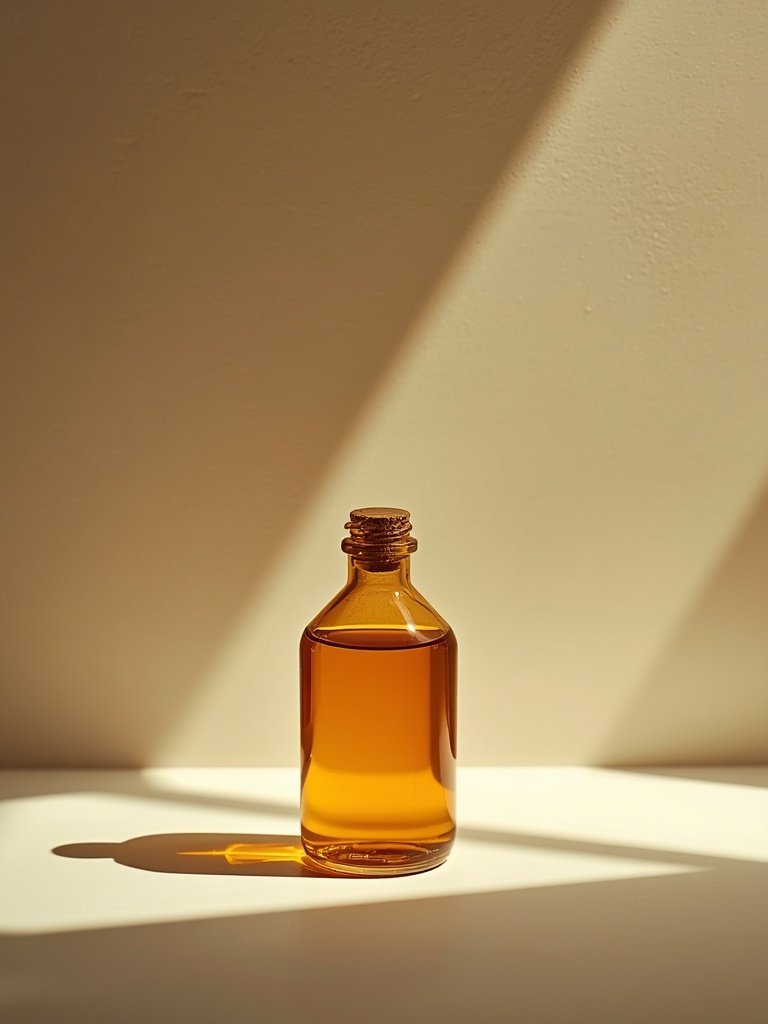
Agave syrup is dense and has a golden-brown color. It resembles a bit of liquid honey. The darker the color, the more caramel flavor is felt in the foods to which it is added. Its IG is 15 30 and depends on the amount of fructose it contains. The more of this simple sugar in its composition, the lower the glycemic index. It is therefore recommended for diabetics because it prevents the rapid release of insulin syrup into the bloodstream.
04 / 04
Agave syrup and weight loss
With its low IG and LG and a 25% lower calorie content than regular sugar, agave syrup can be a good alternative to sweetness while reducing body weight. It's also sweeter than sugar, so it's consumed less and, as a result, reduces its energy value even by half when compared to its crystalline counterpart.
Meal Plan
Want to apply these guidelines in your daily diet?
Our smart diet generator creates a tailored meal plan in 3 minutes based on the recommendations in this article.

Sophia Williams
• 25.11.2026Diets Premium Expert
Diets Premium team expert. Specializes in nutrition plans, strength sports, and training plans.