
5 basic principles of healthy cooking
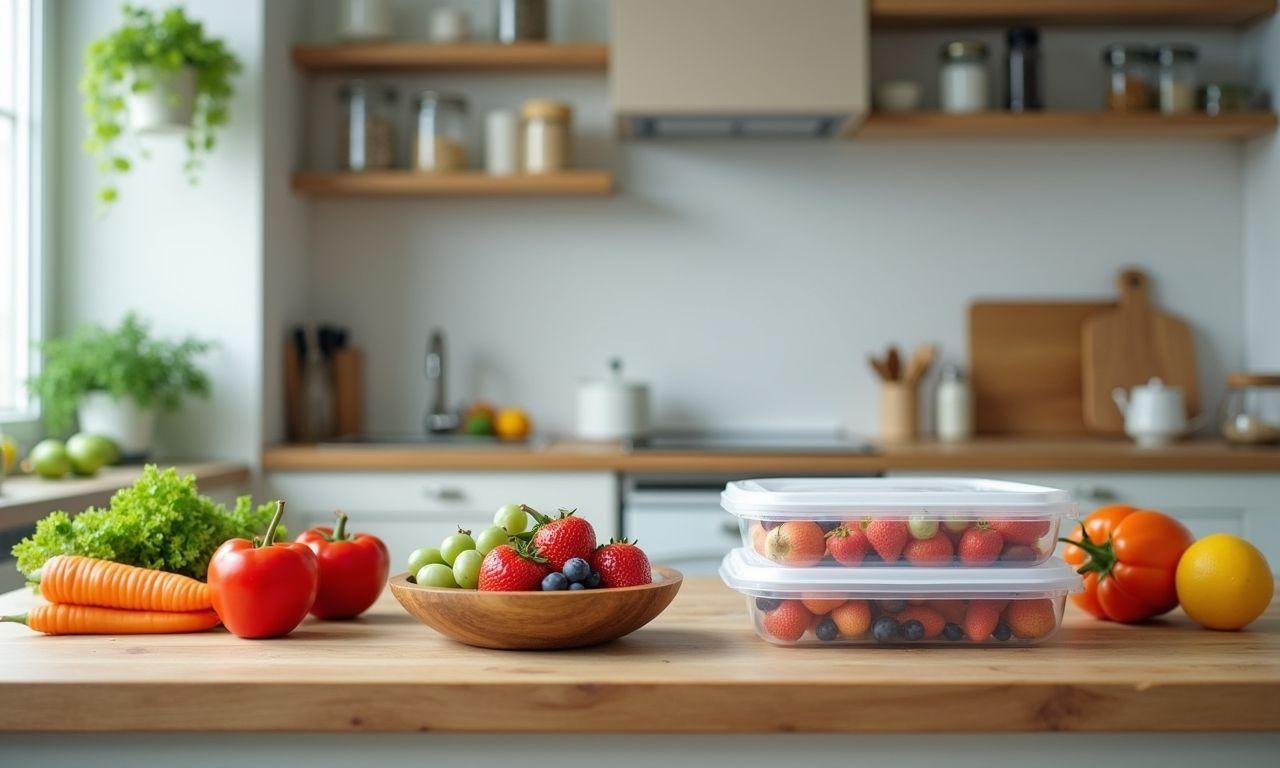
Table of Contents 5
Medical & Editorial Disclaimer (§3 Terms): This article is for informational and educational purposes only, does not constitute medical advice, diagnosis, or treatment, and is used at your own risk. Consult a qualified physician for medical conditions.
The physiological benefits of a healthy kitchen are rooted in the selection of cooking methods that preserve nutrient integrity, such as steaming or baking, rather than relying on deep-frying which can compromise food quality. Furthermore, the strategic use of spices is highlighted as a powerful tool; beyond enhancing flavor, many spices provide antioxidants that help the body manage oxidative stress. These practices collectively support metabolic health and reduce the intake of undesirable dietary components.
Practical implementation involves planning and preparing meals in advance to ensure that wholesome options are always available, even during busy schedules. Managing the kitchen environment—such as keeping sweets out of sight to prevent mindless snacking and maintaining strict cleanliness to avoid bacterial contamination—is vital for success. By integrating these habits, one can create a supportive culinary environment that makes healthy living a natural and achievable part of everyday life.
Shun keeping sweets within grasp
Utilize the spice components
Restrict the preparation of meals in deeper fat
Advance planning and meal preparation
Maintain cleanliness and freshness
Want to apply these guidelines in your daily diet?
Our smart diet generator creates a tailored meal plan in 3 minutes based on the recommendations in this article.

Lena Bauer
Diets Premium Expert
Diets Premium team expert. Specializes in nutrition plans, strength sports, and training plans.















































