2 min read

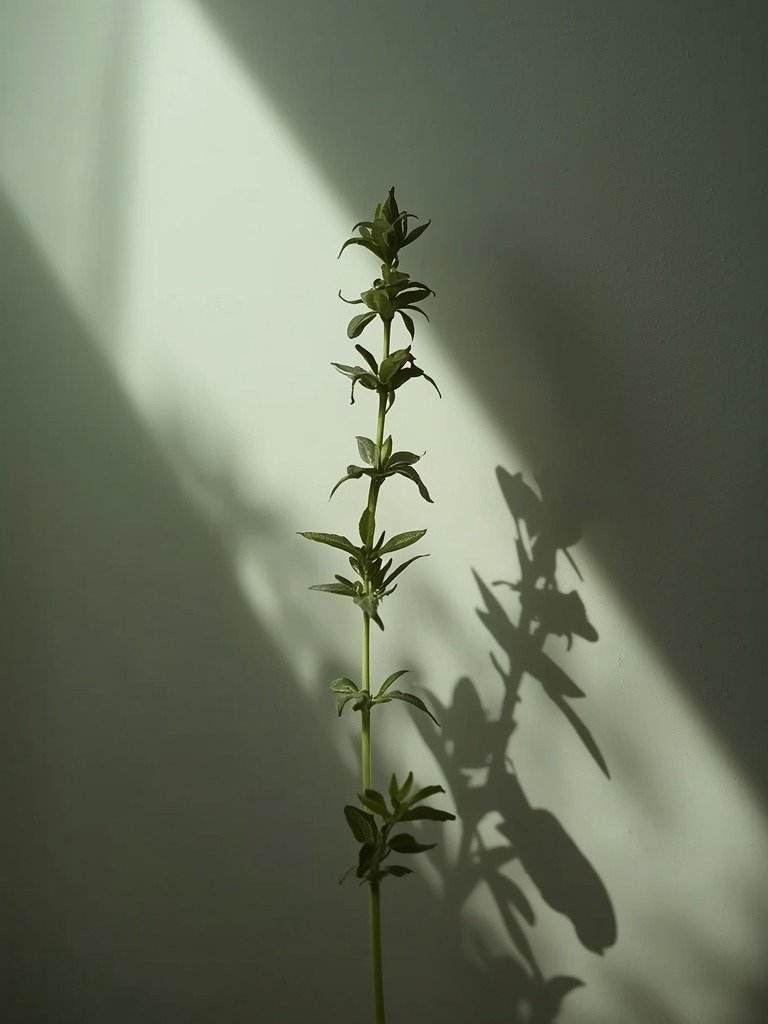
Wild marjoram (oregano) – a broad-spectrum natural antimicrobial agent
Wild marjoram (oregano) – a broad-spectrum natural antimicrobial agent
1 photo
817

Smart Voice

AI
0:00
0:00
Listen to the article content live
Table of Contents 3

Concentrated essential oils and botanical extracts derived from wild marjoram (commonly referred to as oregano) exhibit exceptionally potent antimicrobial properties, as substantiated by extensive scientific research. Consequently, the dried leaves of this plant have gained recognition as an effective, eco-friendly food preservative capable of inhibiting the proliferation of molds, yeasts, and putrefactive bacteria. Regular dietary incorporation of oregano aids the body in combating pathogenic microorganisms—encompassing both Gram-positive and Gram-negative bacterial strains—while addressing the majority of known disease-causing variants. Notably, the mode of action of oregano’s bioactive compounds (including carvacrol and thymol) precludes bacterial adaptation, thereby preventing the development of resistance—a critical advantage over conventional antibiotics, where antimicrobial resistance poses a significant clinical challenge.

01 / 03

Oregano – Botanical Origin, Cultivation, and Harvesting of Wild Marjoram

Oregano, botanically classified as Origanum vulgare L. and commonly known as wild marjoram, is an aromatic perennial herb belonging to the mint family (Lamiaceae). Native to the Mediterranean basin, Western Asia, and North Africa, this resilient plant grows to a height of 60–80 cm and thrives across Europe on sunny hillsides, dry meadows, and calcareous soils. Its name originates from the Ancient Greek words oros (mountain) and ganos (brightness or joy), translating literally to "joy of the mountain."

When cultivated in gardens or balcony containers, oregano requires full sun exposure and well-drained, moderately dry, slightly alkaline soil. High solar radiation directly stimulates the biosynthesis of essential oils within the glandular trichomes covering its leaves. The aerial flowering tops (Origani herba) should be harvested at the onset of full bloom between July and August on a dry, sunny morning. To prevent the volatilization of delicate monoterpenes, the harvested stems are dried gently in a shaded, well-ventilated space at temperatures not exceeding 35°C.

02 / 03

Phytochemical Composition and Clinical Therapeutic Properties

The potent pharmacological activity of oregano is primarily driven by its essential oil fraction (up to 3%), dominated by the phenolic monoterpenes carvacrol and thymol (alongside p-cymene and γ-terpinene). Additionally, the herb is rich in rosmarinic acid, caffeic acid, flavonoids (luteolin, apigenin), tannins, bitter principles, vitamins C, E, and K, and minerals including calcium, iron, magnesium, and manganese.

Modern phytotherapy and clinical microbiology confirm several key mechanisms of action:

  • Broad-Spectrum Antimicrobial and Antifungal Activity: Carvacrol and thymol disrupt the lipid bilayer of pathogenic bacteria (including Staphylococcus aureus, Escherichia coli, and Salmonella species) and inhibit the proliferation of Candida albicans yeasts.
  • Respiratory Tract Support: Acting as an expectorant and mild bronchospasmolytic, oregano facilitates mucus clearance and soothes mucosal irritation during upper respiratory tract infections and bronchitis.
  • Gastrointestinal Regulation: Its bitter compounds and essential oils stimulate gastric juice, bile, and pancreatic enzyme secretion, relieving flatulence, intestinal spasms, and postprandial dyspepsia.
  • Antioxidant and Anti-inflammatory Power: High concentrations of rosmarinic acid neutralize reactive oxygen species and downregulate pro-inflammatory cytokines.
03 / 03

Culinary Uses, Oregano Essential Oil, and Safety Guidelines

In culinary practice, oregano is one of the rare herbs whose flavor intensity deepens upon drying compared to fresh leaves. It is an indispensable seasoning for tomato-based sauces, pizza, pasta, roasted Mediterranean vegetables (eggplant, zucchini, bell peppers), legumes, feta cheese, and roasted meats. Incorporating oregano into rich dishes not only enhances digestibility but also reduces lipid oxidation during thermal cooking.

For phytotherapeutic applications, oregano can be prepared as an herbal infusion (steeping 1–2 teaspoons of dried herb in 250 ml of boiling water covered for 10 minutes) or utilized as standardized oregano essential oil. Because pure essential oil rich in carvacrol is caustic to mucous membranes, it must never be ingested or applied topically undiluted; it should always be diluted in a carrier oil (such as extra virgin olive oil) or taken in enteric-coated capsules. Concentrated oregano oil supplements are contraindicated during pregnancy and lactation, whereas culinary use of the herb remains entirely safe.

Meal Plan

Want to apply these guidelines in your daily diet?

Our smart diet generator creates a tailored meal plan in 3 minutes based on the recommendations in this article.

Mia Hoffmann
Scientifically reviewed by a clinical dietitian • 23.10.2026

Mia Hoffmann

Diets Premium Expert

Diets Premium team expert. Specializes in nutrition plans, strength sports, and training plans.

USDA FoodData Central EFSA PubMed Clinical Guidelines
Loading
Recommended articles in this category

Related Articles

Discover similar publications and expert insights.

Boost Your Flu Resistance!
Antibiotics
Boost Your Flu Resistance!
⏱ 5 min czytania
#Antibiotics #Inflammation
Dried cranberry
Fruits
Dried cranberry
⏱ 2 min czytania 📚 Fruits
#Natural Preservative #Magnesium
Can cinnamon be beneficial for health? The potential adverse effects of cinnamon consumption
Traditional Chinese Medicine
Can cinnamon be beneficial for health? The potential adverse effects of cinnamon consumption
⏱ 5 min czytania
#Traditional Chinese Medicine #Erectile Dysfunction
Natural Food Preservatives: Bioactive Phenols, Organic Acids, and Antimicrobial Essential Oils
Natural Preservative
Natural Food Preservatives: Bioactive Phenols, Organic Acids, and Antimicrobial Essential Oils
⏱ 4 min czytania
#Natural Preservative #Natural Preservatives
Black pepper: A comprehensive examination of its properties and health benefits as an indispensable traditional spice with culinary and therapeutic significance
Digestive Health
Black pepper: A comprehensive examination of its properties and health benefits as an indispensable traditional spice with culinary and therapeutic significance
⏱ 4 min czytania
#Digestive Health #Health Benefits
A comprehensive guide to meat selection: nutritional composition analysis and culinary techniques for informed consumers
Antimicrobial Resistance
A comprehensive guide to meat selection: nutritional composition analysis and culinary techniques for informed consumers
⏱ 3 min czytania
#Antimicrobial Resistance #Nutritional Composition
Acidification – Preservative Properties and Nutrients
Traditional Polish Dishes
Acidification – Preservative Properties and Nutrients
⏱ 4 min czytania
#Traditional Polish Dishes #Food Preservation
Sodium Benzoate – Impact on Health, Production Process and Applications
Preservative
Sodium Benzoate – Impact on Health, Production Process and Applications
⏱ 3 min czytania
#Preservative
Traditional Plum Butter (Powidła): Artisanal Preparation, Nutritional Profile, and Culinary Uses
Sugar Content
Traditional Plum Butter (Powidła): Artisanal Preparation, Nutritional Profile, and Culinary Uses
⏱ 3 min czytania
#Sugar Content #Simple Sugar
Rice vinegar – characteristics, culinary uses, and homemade preparation. What are the viable alternatives to rice vinegar in cooking?
Culinary Uses
Rice vinegar – characteristics, culinary uses, and homemade preparation. What are the viable alternatives to rice vinegar in cooking?
⏱ 3 min czytania
#Culinary Uses #Preserved Vegetables
Sources of sulphur and their significance for health
Preservative
Sources of sulphur and their significance for health
⏱ 4 min czytania
#Preservative #Antioxidant
Phosphoric Acid (E338): Food Chemistry, Impact on Bone Mineral Density, Dental Enamel, and Renal Health
Food & Ingredients
Phosphoric Acid (E338): Food Chemistry, Impact on Bone Mineral Density, Dental Enamel, and Renal Health
⏱ 6 min czytania 📚 Food & Ingredients
#Food Industry Risks #Beverages And Health
Helicobacter pylori – Learn About This Bacterial Threat, Risk Factors for Infection, and Treatment Methods
Nutritional Science
Helicobacter pylori – Learn About This Bacterial Threat, Risk Factors for Infection, and Treatment Methods
⏱ 5 min czytania 📚 Nutritional Science
#Antibiotics
Combat Bacteria! Employ Cinnamon!
Health
Combat Bacteria! Employ Cinnamon!
⏱ 4 min czytania 📚 Health
#Metabolism #Cinnamon
Natural Revolution: Support for Upper Gastrointestinal Tract Disorders
Medicinal Plants
Natural Revolution: Support for Upper Gastrointestinal Tract Disorders
⏱ 5 min czytania
#Medicinal Plants #Antibiotics
Chronic Intestinal Fungal Infection – Symptoms and Treatment
Nutrition
Chronic Intestinal Fungal Infection – Symptoms and Treatment
⏱ 6 min czytania 📚 Nutrition
#Antibiotics
Hypersensitivity to Food, Plants, Nickel, Arthropods, and Medications – A Review of the Most Common Allergens
Early Childhood Nutrition
Hypersensitivity to Food, Plants, Nickel, Arthropods, and Medications – A Review of the Most Common Allergens
⏱ 3 min czytania
#Early Childhood Nutrition #Healthy Lifestyle
<i>Clostridium difficile</i> Infection – Symptoms, Treatment, and Dietary Recommendations
Antibiotics
<i>Clostridium difficile</i> Infection – Symptoms, Treatment, and Dietary Recommendations
⏱ 4 min czytania
#Antibiotics #Dietary Recommendations
Excessive bacterial growth in the small intestine - recommended diets for SIBO syndrome
Antibiotics
Excessive bacterial growth in the small intestine - recommended diets for SIBO syndrome
⏱ 7 min czytania
#Antibiotics
Fighting Infections with 3 Natural Antibiotics
Natural Antibiotics
Fighting Infections with 3 Natural Antibiotics
⏱ 3 min czytania
#Natural Antibiotics #Balance
Helicobacter pylori – Therapy and Use of Medicinal Plants
Medicinal Plants
Helicobacter pylori – Therapy and Use of Medicinal Plants
⏱ 5 min czytania
#Medicinal Plants #Antibiotics
Helicobacter pylori – Symptoms, Treatment and Example Nutritional Plan
Antibiotics
Helicobacter pylori – Symptoms, Treatment and Example Nutritional Plan
⏱ 5 min czytania
#Antibiotics #German
Acne Across the Lifespan: Neonatal to Adult Forms – Etiopathogenesis, Gut-Skin Axis, and Dietary Interventions
Pregnancy & Motherhood
Acne Across the Lifespan: Neonatal to Adult Forms – Etiopathogenesis, Gut-Skin Axis, and Dietary Interventions
⏱ 4 min czytania 📚 Pregnancy & Motherhood
#Dermatological #Antibiotic
Botanical Alternatives to Antibiotics: Phytochemical Antimicrobials and Their Clinical Potential
Natural Compounds
Botanical Alternatives to Antibiotics: Phytochemical Antimicrobials and Their Clinical Potential
⏱ 5 min czytania
#Natural Compounds #Gut Microbiome
Enhancing Resistance in Children – Natural Methods Instead of Ready-Made Vitamin Supplements
Supplements
Enhancing Resistance in Children – Natural Methods Instead of Ready-Made Vitamin Supplements
⏱ 3 min czytania
#Supplements #Resistance
Culinary Immunity – Everyday Foods That Strengthen the Immune System
Immune System
Culinary Immunity – Everyday Foods That Strengthen the Immune System
⏱ 6 min czytania
#Immune System #Resistance
Less Familiar, Yet Effective Joint Supplements
Joint-Friendly
Less Familiar, Yet Effective Joint Supplements
⏱ 5 min czytania
#Joint-friendly #Supplements
Vanadium Nurtures Your Heart!
Cla
Vanadium Nurtures Your Heart!
⏱ 2 min czytania
#CLA #Fit
Workout at the Gym or at Home – Which Strategy for Building Muscle Mass
Physical Activity
Workout at the Gym or at Home – Which Strategy for Building Muscle Mass
⏱ 6 min czytania
#Physical Activity #Muscle Mass
Application of Resistance Tapes in Strength Training and Rehabilitation
Rehabilitation
Application of Resistance Tapes in Strength Training and Rehabilitation
⏱ 6 min czytania
#Rehabilitation #Resistance

Share