Why do mushrooms constitute an exceptionally valuable source of vitamin D for the human body?
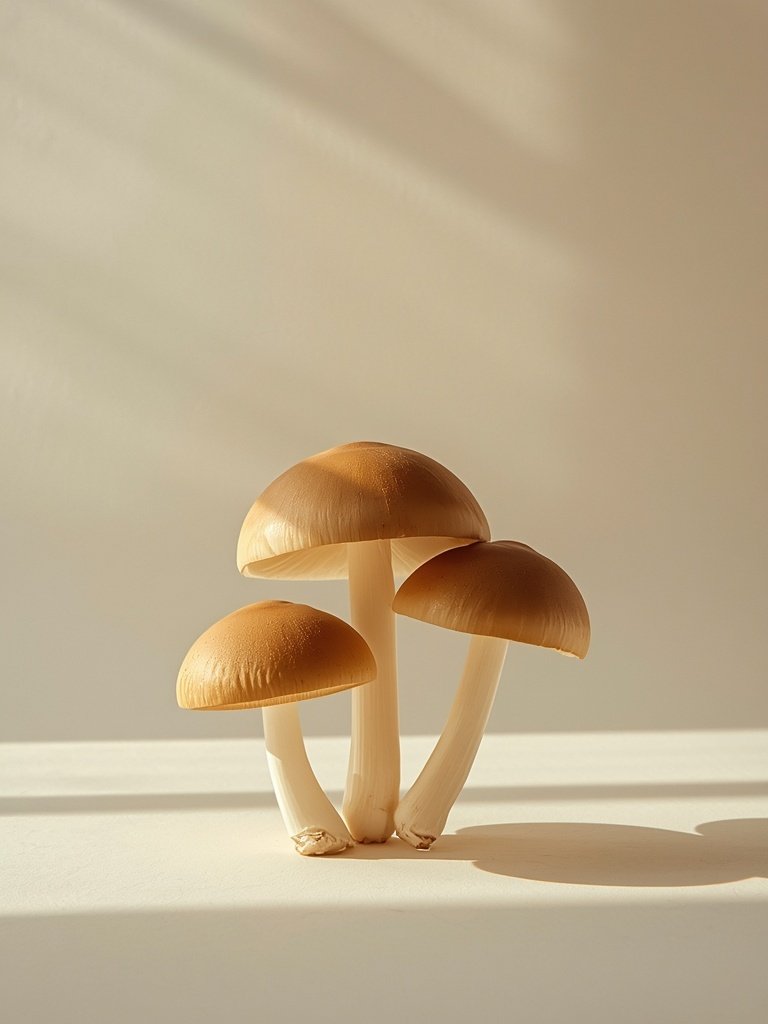

Table of Contents 5
Medical & Editorial Disclaimer (§3 Terms): This article is for informational and educational purposes only, does not constitute medical advice, diagnosis, or treatment, and is used at your own risk. Consult a qualified physician for medical conditions.
The core biological mechanism relies on ergosterol, a structural sterol present within fungal cell membranes, which converts into ergocalciferol when exposed to ultraviolet radiation. Clinical research confirms that fungal-derived vitamin D possesses strong bioavailability in humans, effectively contributing to the maintenance of serum concentrations. Beyond this vital nutrient, edible fungi provide a sophisticated bioactive matrix containing immune-supporting beta-glucans, the mitochondrial antioxidant L-ergothioneine, and essential trace minerals such as selenium and copper.
From a practical culinary standpoint, individuals can easily enhance the nutritional density of store-bought or wild mushrooms at home. Placing sliced fresh mushrooms under direct natural sunlight for a brief period prior to cooking triggers rapid photochemical activity, dramatically increasing their vitamin D content. Because this nutrient demonstrates high thermal stability, standard preparation methods such as gentle sautéing or baking retain its beneficial properties, making mushrooms an accessible and effective functional food.
A comprehensive scientific examination of the capacity of fungi to synthesize vitamin D2 under solar and ultraviolet light irradiation. Discover the photochemical mechanism, human bioavailability, and culinary methods to optimize dietary intake of this vital nutrient.
Ergosterol and Vitamin D2 – The Remarkable Photochemical Pathway
In the natural world, the kingdom of fungi occupies a distinctive evolutionary niche, bridging physiological traits of both flora and fauna. One of their most fascinating biological attributes is the capacity for endogenous vitamin D synthesis. While mammalian epidermis converts 7-dehydrocholesterol into cholecalciferol (vitamin D3) upon solar UVB exposure, fungal cellular membranes uniquely concentrate a precursor sterol termed ergosterol. When exposed to UVB electromagnetic waves (280–315 nm), ergosterol undergoes photolytic B-ring scission into previtamin D2, which subsequently undergoes spontaneous thermal isomerization into active ergocalciferol (vitamin D2).
Bioavailability and Efficacy of Fungal Vitamin D in Humans
For many years, clinical discourse probed whether fungal-derived vitamin D2 equals mammalian vitamin D3 in sustaining serum 25-hydroxyvitamin D [25(OH)D] concentrations. Extensive randomized controlled trials (RCTs) have demonstrated that UV-irradiated mushroom ergocalciferol possesses outstanding human bioavailability. Consuming a modest 100 g portion of UV-exposed button or oyster mushrooms reliably elevates and maintains therapeutic 25(OH)D titers in deficient individuals, establishing an indispensable, fully vegan dietary intervention for plant-based populations and individuals seeking wholesome non-animal micronutrient sources.
Cultivated vs. Wild Forest Mushrooms: Agaricus, Pleurotus, and Chanterelles
Vitamin D concentrations in mushrooms depend intrinsically upon their cultivation environment. Wild forest species harvested from open canopies (such as chanterelles, porcini, and bay boletes) synthesize substantial native levels ranging from 2 to over 15 micrograms (80–600 IU) per 100 g of fresh weight thanks to ambient solar exposure. Conversely, commercially cultivated white and brown button mushrooms or oyster mushrooms grown in climate-controlled dark facilities possess trace baseline ergocalciferol. However, subjecting freshly harvested culinary mushrooms to controlled, momentary UVB pulsing surges their vitamin D content to upwards of 20–30 micrograms (800–1200 IU) per 100 g.
Synergy with Bioactive Compounds: Beta-Glucans and Selenium
Beyond vitamin D, edible fungi furnish a sophisticated matrix of immunomodulatory bioactive compounds. Their cell walls are structurally underpinned by beta-D-glucans—complex polysaccharides clinically shown to activate alveolar macrophages, Natural Killer (NK) cells, and cytotoxic T-lymphocytes. Furthermore, mushrooms serve as a preeminent dietary source of L-ergothioneine, a unique mitochondrial antioxidant amino acid, alongside bioavailable selenium, copper, and B-complex vitamins (riboflavin, niacin, pantothenic acid). This multimodal molecular synergy fortifies systemic immunocompetence and protects genomic DNA from oxidative damage.
Practical Culinary Guidance: Sunlight Exposure and Thermal Stability
Remarkably, consumers can autonomously supercharge the vitamin D density of store-bought mushrooms at home. Simply slicing fresh white or cremini mushrooms and placing them under direct midday sunlight for 30 to 60 minutes (optimally between 10:00 AM and 3:00 PM) triggers vigorous photochemical synthesis. Even post-harvest, fungal enzymes remain functional and rapidly convert ergosterol into ergocalciferol. Furthermore, fungal vitamin D2 demonstrates robust thermal stability; gentle pan-searing, baking, or sautéing for 10–15 minutes retains over 85–90% of vitamin potency, solidifying mushrooms as an exceptional nutritional staple.
Want to apply these guidelines in your daily diet?
Our smart diet generator creates a tailored meal plan in 3 minutes based on the recommendations in this article.
Tags

mgr David Janitzek
• 23.10.2026Diets Premium Expert
Diets Premium team expert. Specializes in nutrition plans, strength sports, and training plans.