Al dente spaghetti from durum wheat – nutritional value analysis and effect on glucose metabolism
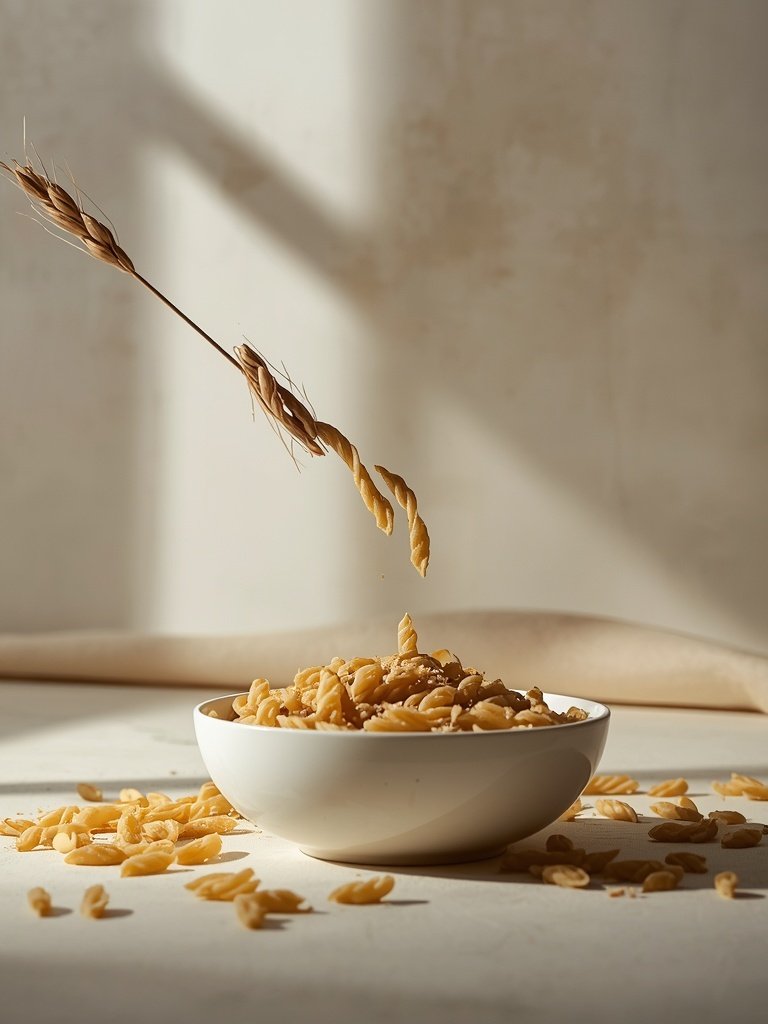
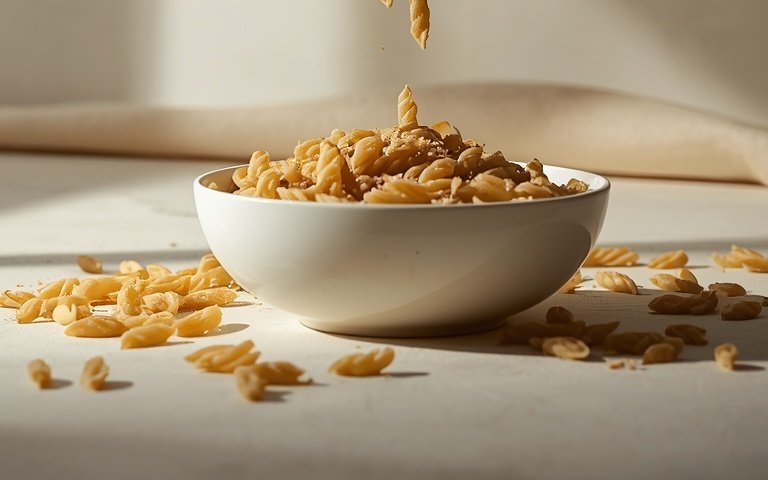
Table of Contents 4
Medical & Editorial Disclaimer (§3 Terms): This article is for informational and educational purposes only, does not constitute medical advice, diagnosis, or treatment, and is used at your own risk. Consult a qualified physician for medical conditions.
The physiological benefits are rooted in the unique crystalline structure of the durum endosperm, which, when prepared al dente, maintains a robust protein network. This physical matrix acts as a natural barrier that slows the enzymatic breakdown of starch during digestion, thereby promoting a more stable glycemic response. Furthermore, the inclusion of the bran layer ensures a rich supply of minerals and antioxidants that support cellular health and overall physiological function.
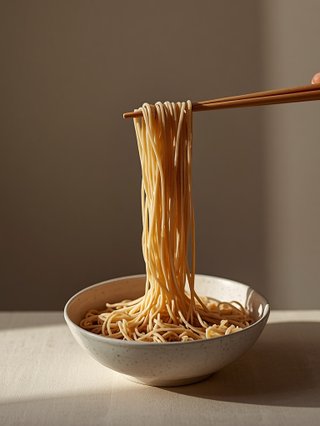
To maximize the nutritional and culinary potential of this staple, it is essential to cook the pasta until firm to the bite, preserving its structural integrity. Avoid rinsing the noodles after cooking, as the surface starch is vital for proper sauce adhesion and flavor integration. By incorporating these traditional preparation methods and pairing the pasta with wholesome Mediterranean ingredients, one can enjoy a satisfying meal that aligns with long-term wellness goals.
Durum wheat spaghetti (Triticum durum), boiled strictly according to traditional Italian al dente specifications, represents the gold standard of healthy carbohydrate nutrition. Genetically distinct from soft common wheat, durum wheat yields superior protein density, a compact crystalline endosperm, and abundant yellow carotenoid pigments (lutein). The tight mechanical entrapment of starch granules within an intact protein network ensures whole-grain durum spaghetti exhibits an impressively low glycemic index (GI = 35–40).
What is Durum Wheat and Semolina – Differences from Soft Wheat
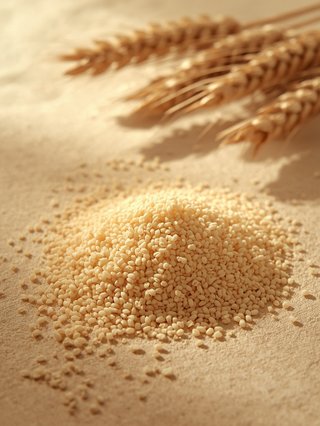
Durum wheat (Triticum durum) is an ancient tetraploid cereal adapted to the arid Mediterranean basin:
- Vitreous hardness – extreme endosperm hardness yields granular coarse semolina rather than powdery flour.
- Golden pigmentation – enriched with free lutein carotenoids delivering vibrant natural yellow hues.
- No egg requirement – extraordinary gluten tenacity enables classic Italian dried pasta (pasta secca) to be formulated exclusively with semolina and spring water.
Physiology of Al Dente – Why Cooking Time Dictates Glycemic Impact
The endocrine glycemic response to pasta is governed by microstructural encapsulation:
- Gluten entrapment barrier – in extruded spaghetti, starch granules remain tightly sequestered within a coagulated protein matrix. Cooking al dente preserves this physical shield, restricting salivary and pancreatic alpha-amylase enzymatic cleavage.
- Glycemic surge from overcooking – overboiling fractures the protein lattice, inducing rapid starch gelatinization that elevates the GI from ~38 to >65.
- Metabolic satiety support – al dente digestion moderates insulin secretion and mitigates reactive postprandial lethargy.
Nutritional Value of Whole Durum Grain – Fiber, Protein, and Minerals
Whole-grain durum pasta combines semolina performance with bran-layer micronutrients:
- Elevated protein (13–15%) – surpasses common wheat pasta in amino acid concentration.
- Dietary fiber (8–9 g/100 g) – robust insoluble and soluble fractions optimizing colonic fermentation.
- Magnesium, iron, and zinc – covers 20% to 30% of daily reference values.
- Vitamin E and ferulic acid – antioxidant shields defending cellular membranes.
Culinary Rules – Perfect Al Dente Timing and Mediterranean Pairings
Authentic Italian protocols for master-level spaghetti execution:
- The 1:10:100 rule – 1 liter of water and 10 g sea salt per 100 g pasta; add salt only once rolling boil is reached.
- Never rinse cooked pasta – rinsing washes away surface amylose critical for sauce adhesion.
- Finishing in the pan (mantecatura) – transfer noodles 1 minute before packaging target time directly into the sauce skillet with starchy pasta water to emulsify.
- Mediterranean pairings – classic aglio e olio, fresh tomato pomodoro with basil, wild shellfish, or sautéed seasonal vegetables with extra virgin olive oil.
Want to apply these guidelines in your daily diet?
Our smart diet generator creates a tailored meal plan in 3 minutes based on the recommendations in this article.
Tags

mgr David Janitzek
Diets Premium Expert
Diets Premium team expert. Specializes in nutrition plans, strength sports, and training plans.