Use of white mulberries in weight loss – potential side effects and usage recommendations


Table of Contents 4
Medical & Editorial Disclaimer (§3 Terms): This article is for informational and educational purposes only, does not constitute medical advice, diagnosis, or treatment, and is used at your own risk. Consult a qualified physician for medical conditions.
The core mechanism involves an alkaloid present in the leaves. This compound functions as a competitive inhibitor of carbohydrate breakdown within the gut, thereby dampening sharp surges in insulin release. By smoothing out these postprandial peaks, the mulberry helps keep lipolytic pathways active and mitigates the risk of reactive hypoglycemia that can trigger cravings.
For optimal benefit, the timing of ingestion is critical; the extract or tea should be consumed prior to meals rich in carbohydrates. However, users should be mindful of the safety profile, as some individuals may experience minor gastrointestinal activity. Always consult a physician before use, particularly if you are currently taking medication for blood sugar regulation.
White mulberry (Morus alba) represents one of the premier botanical interventions for targeted adipose reduction and postprandial glycemic stabilization. The specialized iminosugar 1-deoxynojirimycin (1-DNJ) competitively blunts intestinal carbohydrate digestion, attenuating acute surges of insulin—the principal lipogenic hormone that halts ongoing adipose oxidation. This clinical guide covers cellular mechanisms in body composition, gastrointestinal tolerance profiles, adverse reactions, and practical dietary integration.
White Mulberry – Botanical Matrix and Hypoglycemic Pathway
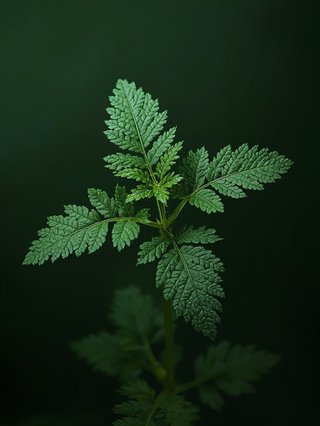
White mulberry foliage harbors polyhydroxylated iminosugar alkaloids headed by 1-deoxynojirimycin (1-DNJ). Functioning as a potent competitive inhibitor of brush-border disaccharidases, 1-DNJ slows down starch and sucrose breakdown, converting rapid glucose spikes into an extended, moderate glucose absorption curve.
Mulberry in Fat Loss – Dampening Insulin and Unlocking Lipolysis
Postprandial hyperinsulinemia strongly suppresses hormone-sensitive lipase (HSL), effectively arresting fatty acid mobilization from adipocytes. By smoothing postprandial insulin spikes, mulberry leaf extract keeps lipolytic pathways active and eliminates reactive hypoglycemia episodes that trigger sugar binges.
How to Consume Mulberry – Administration Timing and Protocols
Ingestion timing is critically deterministic: standardized DNJ extract tablets or concentrated leaf tea must be consumed 15 to 20 minutes prior to meals rich in carbohydrates. Administering mulberry post-meal renders it ineffective, as luminal disaccharidases will have already catalyzed starch hydrolysis.
Mulberry Supplements – Side Effects, Gut Fermentation, and Safety
While white mulberry displays a favorable safety profile, undigested carbohydrate fractions entering the large intestine undergo microbial fermentation. In sensitive individuals or at high doses, this may induce transient flatulence, abdominal rumbling, or loose stools. Diabetic patients on pharmacotherapy (metformin, sulfonylureas) must consult a physician to avert additive hypoglycemia.
Want to apply these guidelines in your daily diet?
Our smart diet generator creates a tailored meal plan in 3 minutes based on the recommendations in this article.

Wojciech Wiśniewski
• 23.10.2026Diets Premium Expert
Diets Premium team expert. Specializes in nutrition plans, strength sports, and training plans.