Which Nutritional Approaches Can Help Prevent Cardiovascular Diseases
1 photo
524
Smart Voice
AI
0:00
0:00
Listen to the article content live
Table of Contents 10
PRO Content
PRO
This article is professional premium content (PRO) provided in its entirety.
Cardiovascular diseases are among the most prevalent causes of illness and death not only in Poland but also worldwide. A healthy lifestyle, encompassing a balanced diet and consistent physical activity, significantly reduces the risk of their occurrence. Among the nutritional models whose preventive effectiveness in relation to cardiovascular diseases has been confirmed, the Mediterranean diet, DASH, and the vegetarian diet are notable.
01 / 10
Cardiovascular system disorders
This group also includes: anemia, heart diseases, stroke or atherosclerosis. The major risk factors for these diseases are: - hypertension, - type 2 diabetes, - overweight and obesity, - dyslipidemia, - alcohol consumption, - smoking, - insufficient physical activity, - unhealthy eating habits. Nutrition not only directly but also indirectly impacts the risk of developing cardiovascular diseases. It can prevent type 2 diabetes, contribute to reducing blood pressure and body weight, thereby improving health parameters, which in turn helps prevent cardiovascular diseases.
02 / 10
The Mediterranean dietary pattern
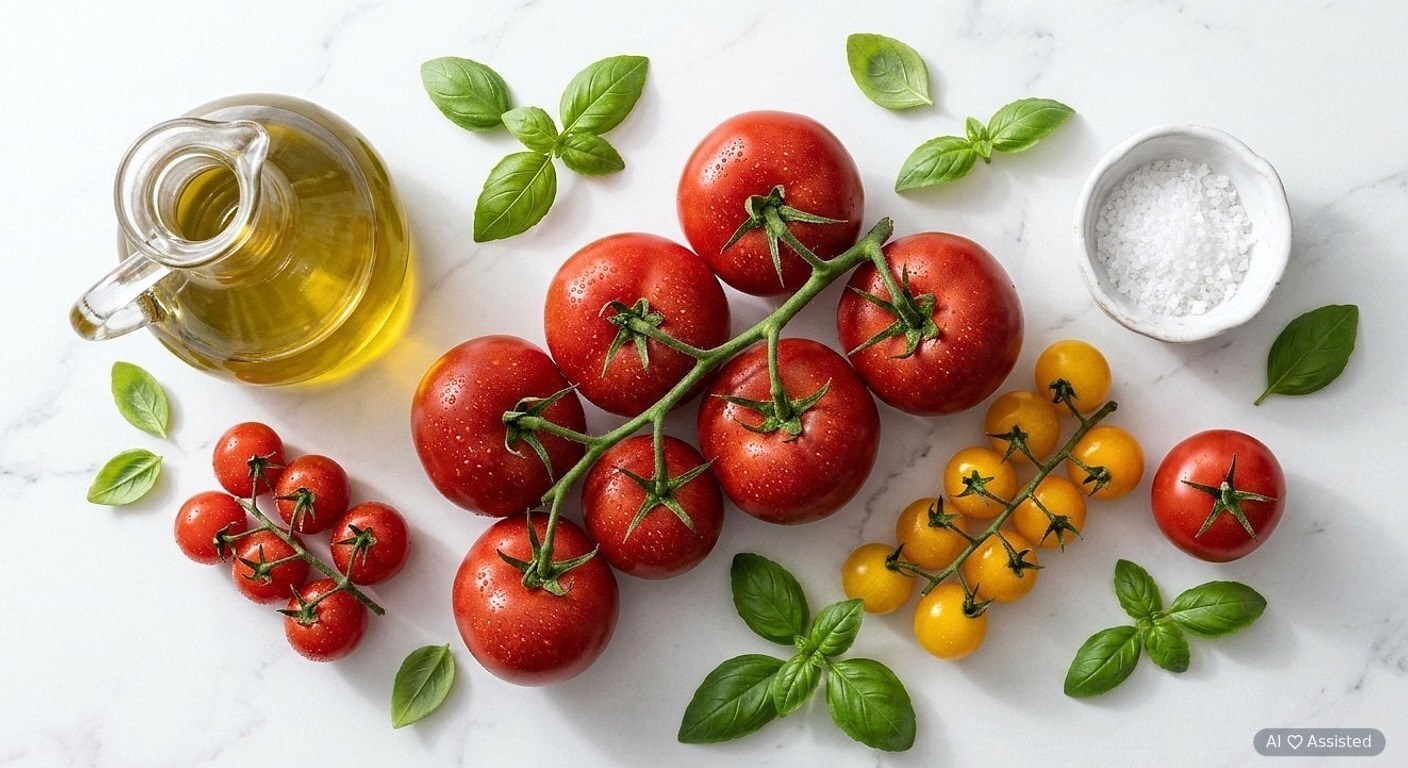
– The primary source of fat in the diet is olive oil. – The main source of protein is dairy products, which are characterized by a low fat content. – The menu is rich in various vegetables, fruits, garlic, and nut plants. – Grain products come from a full diet. – Consumed products are fresh and unprocessed. – Fatty sea fish are included in the menu 1-2 times a week. – Meat consumption is limited (especially red and processed meat). – Moderate amounts of wine combined with a meal can be part of the diet, but it is important to note that the basic drink is water. – Sweets can only be consumed occasionally. In the Seven Countries Study, it was proven that the Mediterranean diet significantly reduces the risk of cardiovascular diseases and mortality from coronary heart disease.
03 / 10
DASH Recommended Nutrition Program
The DASH Recommended Nutrition Program aims to prevent hypertension by reducing sodium intake to approximately 1500 mg per day, which is about ⅔ teaspoon of table salt (this applies to both salt added to meals and salt already present in consumed products). In this diet, 27% of the energy value comes from fats, and the main source is plant-based fats. Protein comes mainly from low-fat and non-fat dairy products, and meat is limited to 1-2 portions per week (poultry, fish, seafood). This diet is rich in vegetables and fruits with low sodium content, such as eggplants, zucchini, green beans, mung bean sprouts, pumpkins, onions, lentil sprouts, chicory, dandelion, potatoes, white beans, Italian and Chinese cabbage, tomatoes, bananas, pineapples, watermelons, blackberries, black and red currants, plums, peaches, apricots, nectarines, oranges, tangerines, kiwi, raspberries, strawberries, apples, and pears. The main source of energy is whole grain products, and the DASH diet also contains nuts and almonds. The consumption of refined sugar is significantly restricted (sweets, sugary drinks). This diet is based on unprocessed products, and salt is replaced with herbs, spices, citrus fruit juice, and acidic additives such as vinegar. It has been proven that this program can significantly reduce the risk of heart disease by 20%, heart disease by 21%, stroke by 19%, and heart failure by 29% (A. Salehi-Abargouei et al., 2013).
04 / 10
Diet excluding animal-derived products
The vegetarian diet is based on consciously eliminating or reducing animal-derived products. There are many variations, including: lacto-vegetarianism (abstaining from meat, fish, gelatin, allowing the consumption of milk and eggs), lacto-vegetarianism (abstaining from meat, fish, gelatin and eggs, allowing the consumption of dairy products), fruit and seed diet (abstaining from meat, fish, gelatin, dairy products, allowing the consumption of eggs), pescovegetarianism (allowing the consumption of fish and seafood), semi-vegetarianism (typically excluding red meat, but allowing other animal products). A well-executed diet, regardless of the type, should be based on saturated fats, low-fat products, a large amount of fruits and vegetables, nuts, legumes, and whole grain products. Studies show that vegetarians have a lower risk of heart disease than people who eat a traditional diet. This may be due to the different levels of fat in the blood - people who eat a plant-based diet typically have lower total cholesterol and LDL cholesterol levels, lower blood pressure, lower HbA1c levels, and lower body weight, which leads to a lower risk of heart disease (W. J. Craig et al. 2009).
05 / 10
Fruits and vegetables
It has been established that increased consumption of vegetables and fruits is associated with a lower risk of cardiovascular diseases. It is believed that phytochemical compounds, dietary fiber, as well as vitamins and minerals are responsible for these positive results. An increase in daily vegetable and fruit intake by at least 200 g can contribute to a 8-16% reduction in the risk of heart disease, 13-18% for stroke, and 8-13% for cardiovascular diseases. The lowest mortality risk from heart and cardiovascular diseases was observed in individuals who consumed 800 g of vegetables and fruits daily (according to D. Aune et al. 2017).
06 / 10
Products manufactured from full grain cereals
The consumption of products manufactured from full grain cereals contributes to the reduction of the risk of cardiovascular disease. The dietary fiber and embryonic leaves contained therein are rich in nutrients such as iron, zinc, or selenium, vitamins (particularly those from group B), fatty acids, and valuable plant components. A high consumption of products manufactured from full grain cereals has been associated with a reduced risk of developing heart disease and other disorders of the cardiovascular system (D. Aune et al. 2016).
07 / 10
Nuts, seeds, plant seeds
They exert a beneficial impact on health owing to their high content of unsaturated fats, dietary fiber, phytochemicals, antioxidant-acting vitamins, and minerals. In one review study, it was discovered that increasing the consumption of nuts to 4 servings per week reduces the risk of cardiovascular diseases by 22% and mortality caused by this disease by 24% (Afshin et al., 2014).
08 / 10
They are classified as plants of the legume family
– are a highly valuable source of protein, complex carbohydrates, fiber, microelements, and biologically active substances. According to the previously mentioned meta-study, consuming 100 g of legumes four times a week lowers the risk of coronary heart disease by 14% (A. Afshin et al., 2014).
09 / 10
Sea fish rich in fat
They are a source of polyunsaturated omega-3 fatty acids, which are believed to have protective properties for the heart. This is associated with a lower risk of heart diseases and less frequent occurrences of incidents related to heart diseases, strokes, and deaths caused by them. In a meta-analysis from 2012, it was shown that increasing fish intake by 15 g per day reduced the risk of heart disease death by 6%. Additionally, it has been proven that both moderate (2-4 portions per week) and low consumption (one portion per week) have a significant impact on preventing death from heart disease (Jheng et al, 2012).
10 / 10
Summary
Heart and circulatory diseases can be prevented by a diverse diet, a balanced diet based on unprocessed products and limiting fatty animal products. The Mediterranean diet, the DASH diet and the vegetarian diet meet these requirements excellently – they are characterized by a high intake of vegetables, fruits, legumes, nuts, peanuts and seeds, i.e. foods rich in vitamins, minerals, fiber and antioxidants. They are also characterized by a low intake of saturated fatty acids and a significantly lower total fat intake compared to the Western diet. They are based on polyunsaturated and monounsaturated fatty acids, which offer a range of health benefits. All diets described in the article reduce the risk of heart and circulatory diseases through their impact on improving specific parameters (blood lipid and glucose levels, blood pressure).
Meal Plan
Want to apply these guidelines in your daily diet?
Our smart diet generator creates a tailored meal plan in 3 minutes based on the recommendations in this article.

Scientifically reviewed by a clinical dietitian
• 20.03.2026
Afshin A. et al., Consumption of nuts and legumes and risk of incident ischemic heart disease, stroke, and diabetes: a systematic review and meta-analysis, „The American Journal of Clinical Nutrition” 2014, 100(1), 278–288. Aune D. et al., Fruit and vegetable intake and the risk of cardiovascular disease, total cancer and all-cause mortality-a systematic review and dose-response meta-analysis of prospective studies, „International Journal of Epidemiology” 2017, 46(3), 1029–1056. Aune D. et al., Whole grain consumption and risk of cardiovascular disease, cancer, and all cause and cause specific mortality: systematic review and dose-response meta-analysis of prospective studies, „BMJ” 2016, 353, i2716. Craig W.J., Mangels A.R., American Dietetic Association. Position of the American Dietetic Association: vegetarian diets, „Journal of the American Dietetic Association” 2009, 109(7), 1266–1282. Menotti A., Puddu P.E., How the Seven Countries Study contributed to the definition and development of the Mediterranean diet concept: a 50-year journey, „Nutrition, Metabolism, Cardiovascuar Diseases” 2015, 25(3), 245–252. Salehi-Abargouei A. et al., Effects of Dietary Approaches to Stop Hypertension (DASH)-style diet on fatal or nonfatal cardiovascular diseases-incidence: a systematic review and meta-analysis on observational prospective studies, „Nutrition” 2013, 4, 611–618. Wasiluk D., Ostrowska L., Diety niekonwencjonalne, Dietetyka Kompendium, pod red. Ostrowskiej L., Warszawa 2020, 65–68. Widmer R.J. et al., The Mediterranean diet, its components, and cardiovascular disease, „The American Journal of Medicine” 2015, 128(3), 229–238. Yu E., Malik V.S., Hu F.B., Cardiovascular Disease Prevention by Diet Modification: JACC Health Promotion Series, „Journal of the American College of Cardiology” 2018, 72(8), 914–926. Zheng J. et al., Fish consumption and CHD mortality: an updated meta-analysis of seventeen cohort studies, „Public Health Nutrition” 2012, 15(4), 725–737.
Diets Premium Expert
Diets Premium team expert. Specializes in nutrition plans, strength sports, and training plans.
USDA FoodData Central
EFSA
PubMed Clinical Guidelines