Wheat Flour – Types, Nutritional Value, Caloric Density, and Culinary Uses
Smart Voice
AITable of Contents 3
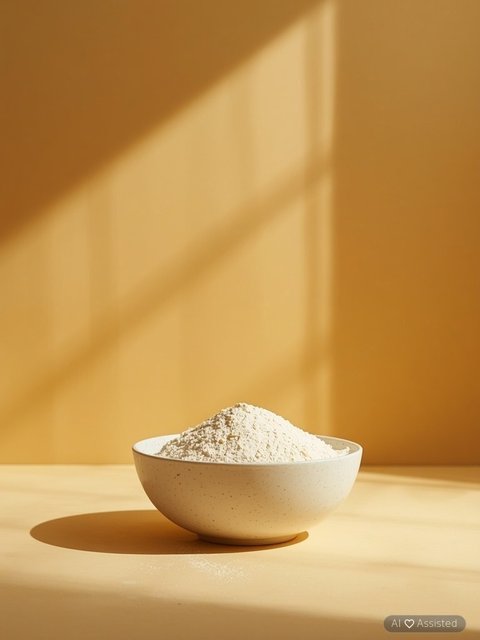
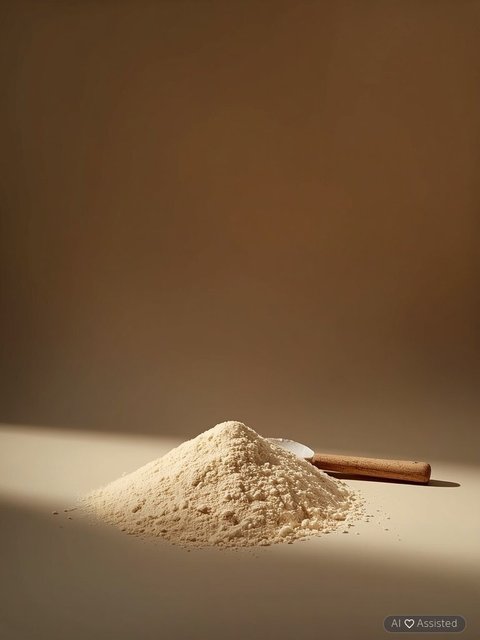
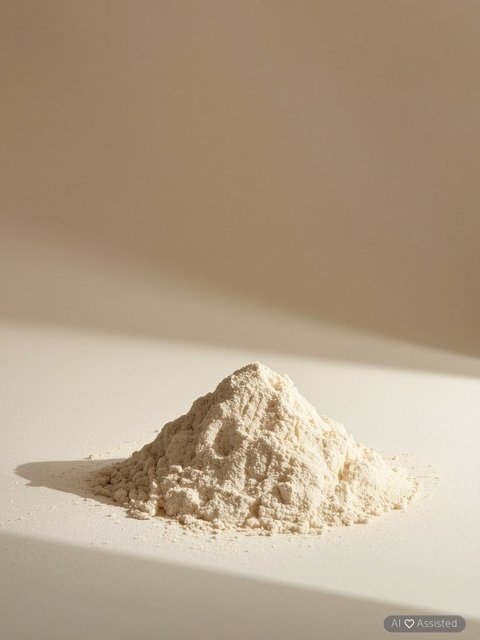
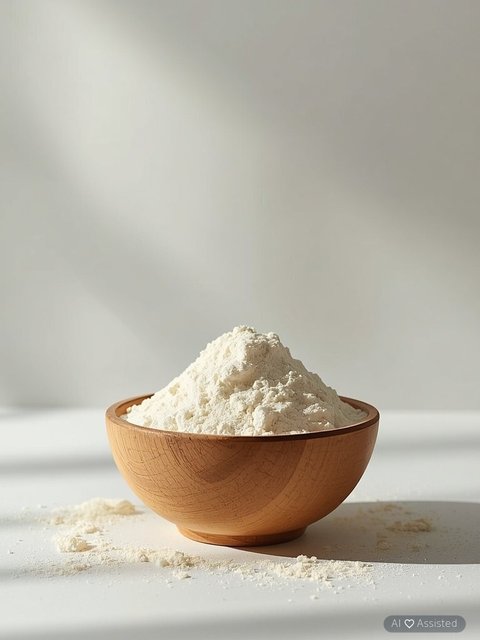
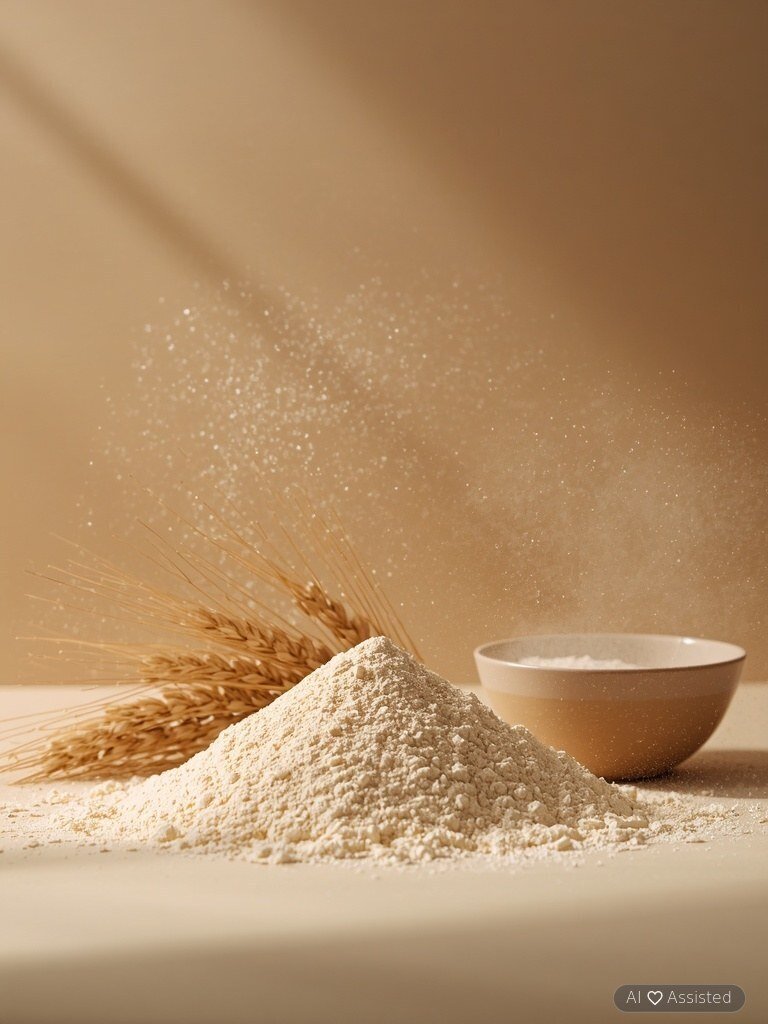
Wheat flour, milled from common wheat kernels (Triticum aestivum), serves as the most widely consumed cereal milling commodity globally. Its definitive technological asset is its gluten-forming protein matrix (gliadins and glutenins), which hydrates into a viscoelastic network that traps fermentation gases. The biological nutritional yield of wheat flour is inextricably tied to its milling extraction rate—spanning from refined white pastry flour to fiber-dense whole-wheat graham flour.
Nutritional Value of Wheat Flour – Vitamins, Minerals, and Fiber
The chemical composition of wheat flour shifts profoundly across milling extraction gradients:
- Whole-grain flours (Types 1850 and 2000) – retaining intact bran and germ layers, they provide significant quantities of magnesium (~138 mg/100 g), non-heme iron, zinc, phosphorus, and B vitamins (thiamine, niacin). Dietary fiber (11–12 g/100 g) fosters eubiotic gut microbiome motility.
- Refined white flours (Types 450 and 500) – stripped of outer coats, they comprise over 75% digestible starch and storage proteins, yielding barely 2–3 g of fiber and negligible trace elements (ash <0.5%).
Energy Value and Macronutrient Profile – Caloric Density of Wheat Flour
The baseline caloric and macronutrient density remains relatively steady across milling grades:
- Caloric density – 100 g yields roughly 340–360 kcal.
- Carbohydrates (68–74 g) – dominated by starch polymers; refined flours elicit rapid enzymatic digestion (glycemic index GI = 70–85), whereas whole-meal matrices temper glycemic curves.
- Protein (10–13 g) – storage prolamins comprising monomeric gliadin (providing extensibility and viscosity) and polymeric glutenin (supplying elasticity and tensile strength).
- Lipids (1–2 g) – essential polyunsaturated fatty acids localized within the germ.
Culinary Applications Across Wheat Flour Types
Precise selection of the appropriate flour grade ensures culinary and baking triumph:
- Pastry flour (Type 450 / Type 405) – lowest extraction rate, optimal for airy sponge cakes, delicate souffles, and light batters.
- All-purpose flour (Type 500 / Type 550) – versatile standard for dumplings (pierogi), crepes, shortcrust pastry, and roux.
- Strong bread flour (Type 650 to 850) – robust gluten framework ideal for artisan baguettes, yeast brioche, pizza dough, and focaccia.
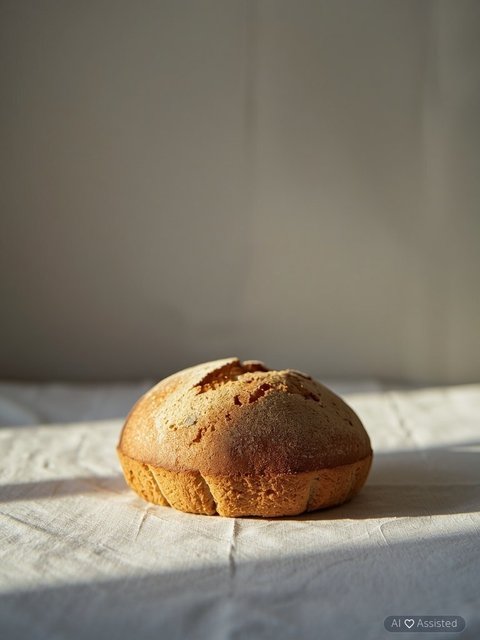
- Whole-wheat and graham (Types 1850 and 2000) – coarse milling yielding dense rustic loaves, sourdough breads, and fiber-rich crackers.
Want to apply these guidelines in your daily diet?
Our smart diet generator creates a tailored meal plan in 3 minutes based on the recommendations in this article.
Tags

Anna Schmidt
Diets Premium Expert
Diets Premium team expert. Specializes in nutrition plans, strength sports, and training plans.